Arborvitae
Thuja occidentalis
Arborvitae is a dense, evergreen conifer with flat sprays of scale-like foliage, widely planted as hedges and privacy screens. It is easy to grow and tolerates a range of conditions.
- Light
- Full sun to part shade
- Water
- Moderate; keep soil evenly moist
- Difficulty
- Easy
Got a plant like this?
Identify any plant from a photo, free.
Overview
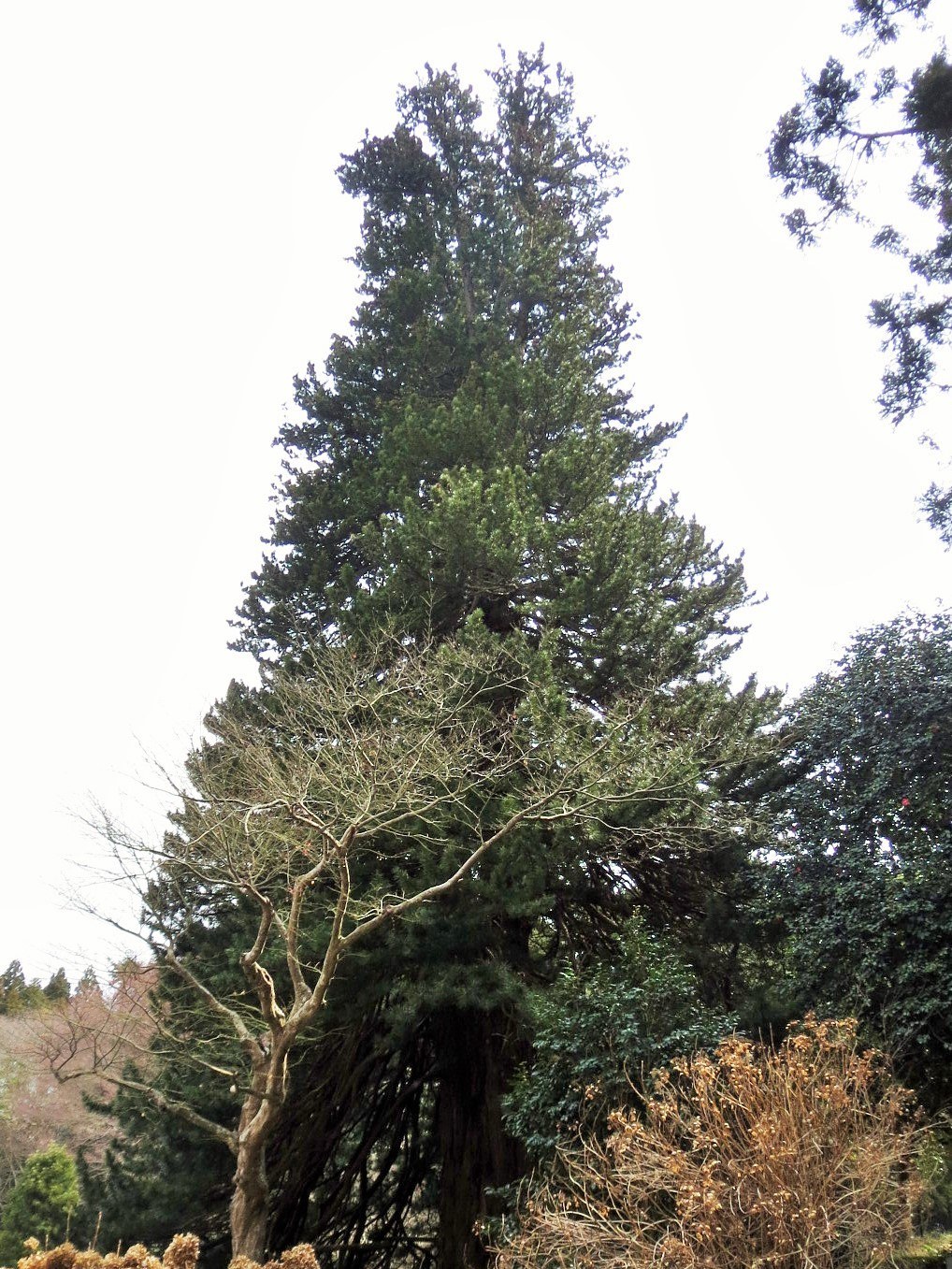
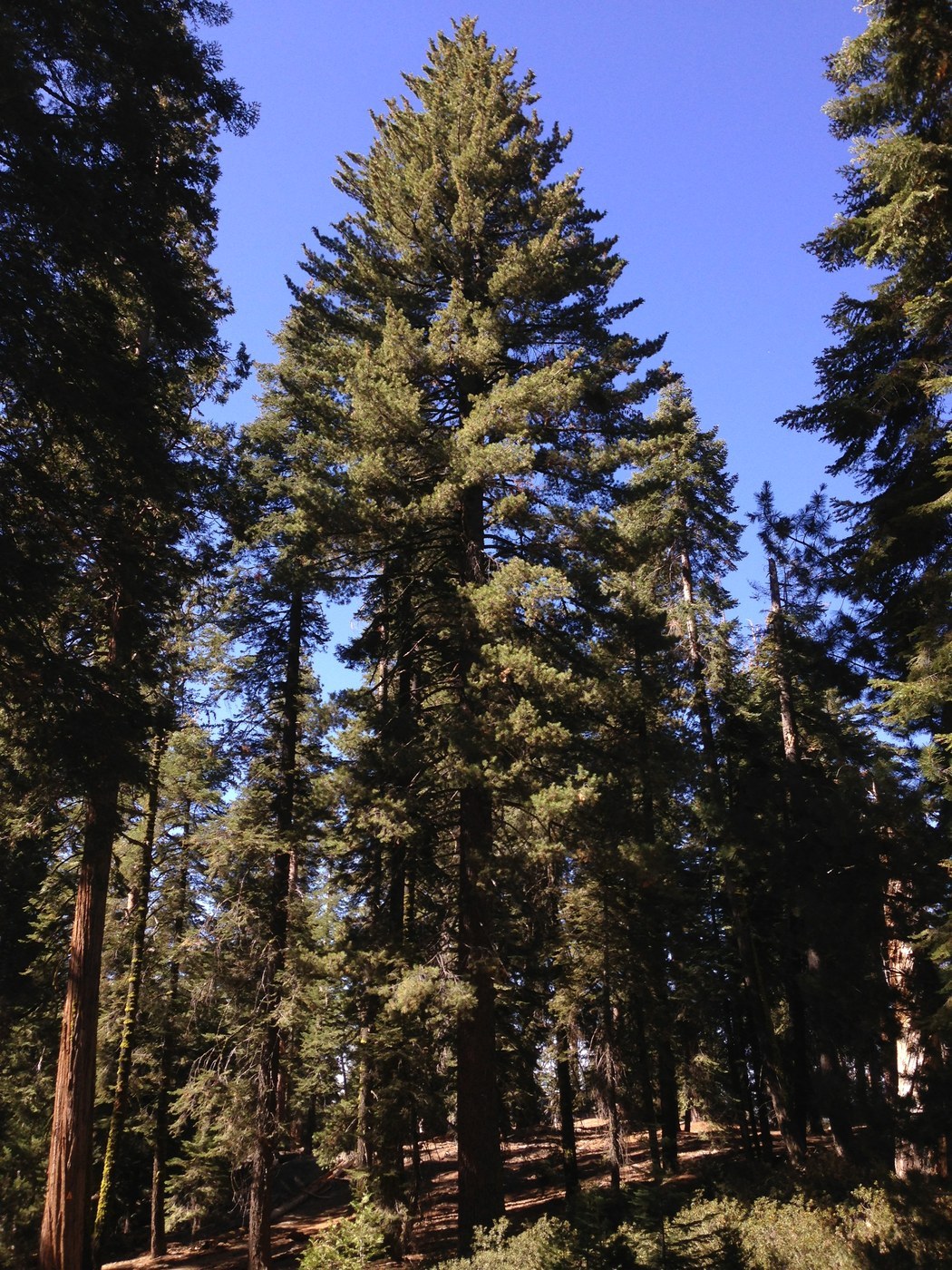
Arborvitae (Thuja occidentalis), also known as northern white cedar, is an evergreen conifer in the cypress family native to eastern North America. The name means "tree of life."
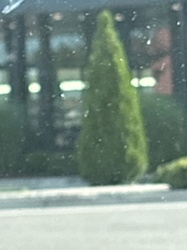
It has soft, flattened sprays of scale-like foliage and a naturally dense, conical to columnar habit, making it one of the most popular plants for hedging and screening. Many cultivars, such as the tall narrow 'Emerald Green' and the giant 'Green Giant' hybrids, are sold for landscaping.
Wild trees can reach 40 to 50 feet, but most garden forms are bred to stay narrower and more compact.
How to identify it
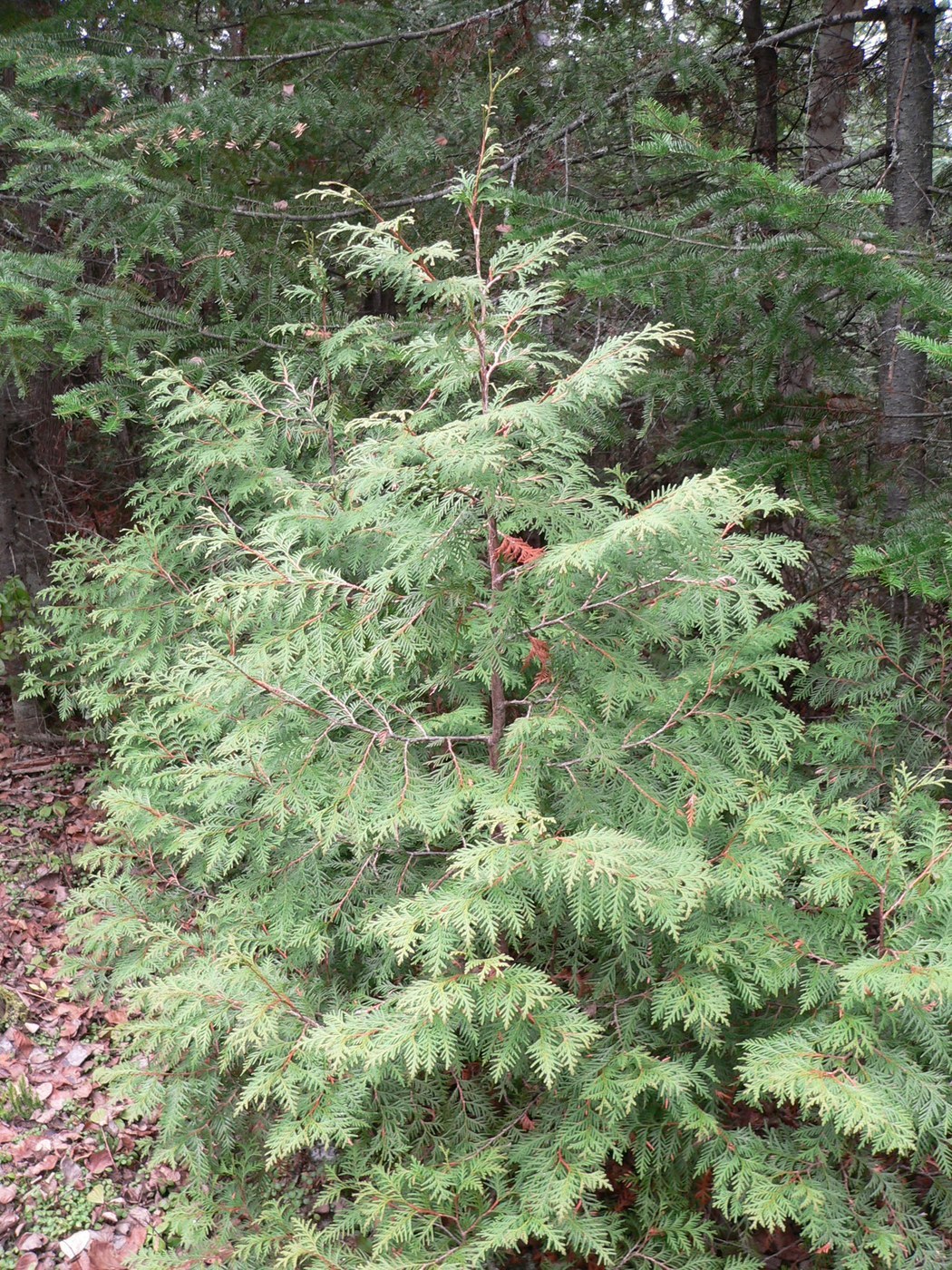
Distinguished by its flat, fan-like foliage and fibrous bark.
- Foliage: Soft, scale-like leaves arranged in flat, fan-shaped sprays, yellow-green to dark green, often bronzing in winter
- Cones: Small, slender, upright cones about 0.5 inch long, green ripening to brown
- Bark: Reddish-brown, fibrous, peeling in vertical strips
- Habit: Dense, conical to columnar; foliage is aromatic when crushed
- Size: Garden forms commonly 10 to 25 feet; wild trees up to 40 to 50 feet
Care & growing
An easy, adaptable conifer ideal for screens and hedges.
- Light: Full sun for densest growth; tolerates part shade
- Water: Prefers consistently moist soil; water during dry spells to prevent browning
- Soil: Adaptable but does best in moist, well-drained, neutral to alkaline soil
- Temperature: Very cold hardy (USDA zones 2 to 7)
- Feeding: Light spring feeding supports dense growth
- Propagation: Easily propagated from cuttings; species also from seed
Habitat & origin
Native to eastern Canada and the northeastern United States, where it grows in cool, moist sites such as swamps, riverbanks, and limestone cliffs.
It is one of the most widely planted landscape conifers in temperate regions worldwide, especially for hedges, windbreaks, and privacy screens.
Frequently asked questions
How fast does arborvitae grow?
Growth rate varies by type. Compact forms like 'Emerald Green' add about a foot per year, while 'Green Giant' hybrids can grow 3 feet or more annually.
Why is my arborvitae turning brown?
Browning is often caused by drought stress, winter burn, or deer browsing. Keeping the soil evenly moist and protecting young plants in winter helps prevent it.
Is arborvitae deer resistant?
No. Deer readily browse arborvitae, especially northern white cedar, and can severely damage plants in winter.
Does it make a good privacy hedge?
Yes. Its dense evergreen foliage and columnar habit make it one of the most popular hedging and screening plants.
Arborvitae guides
In-depth guides for identifying, growing, and caring for Arborvitae.
How to Care for Arborvitae
Arborvitae is an easy evergreen conifer for hedges and screens, needing sun, even moisture, and good drainage.
Arborvitae Identification Guide
Identify Arborvitae (Thuja), the evergreen with soft, flat sprays of scale-like foliage, by its fans of foliage and small upright cones.
Arborvitae identified by the community
Real specimens identified with Plant Identifier.