
How to Care for Areca Palm
Grow the Areca Palm, a graceful feather-leaved indoor palm that loves bright indirect light, steady moisture, and warm humid air.
Read the full Areca Palm encyclopedia entry →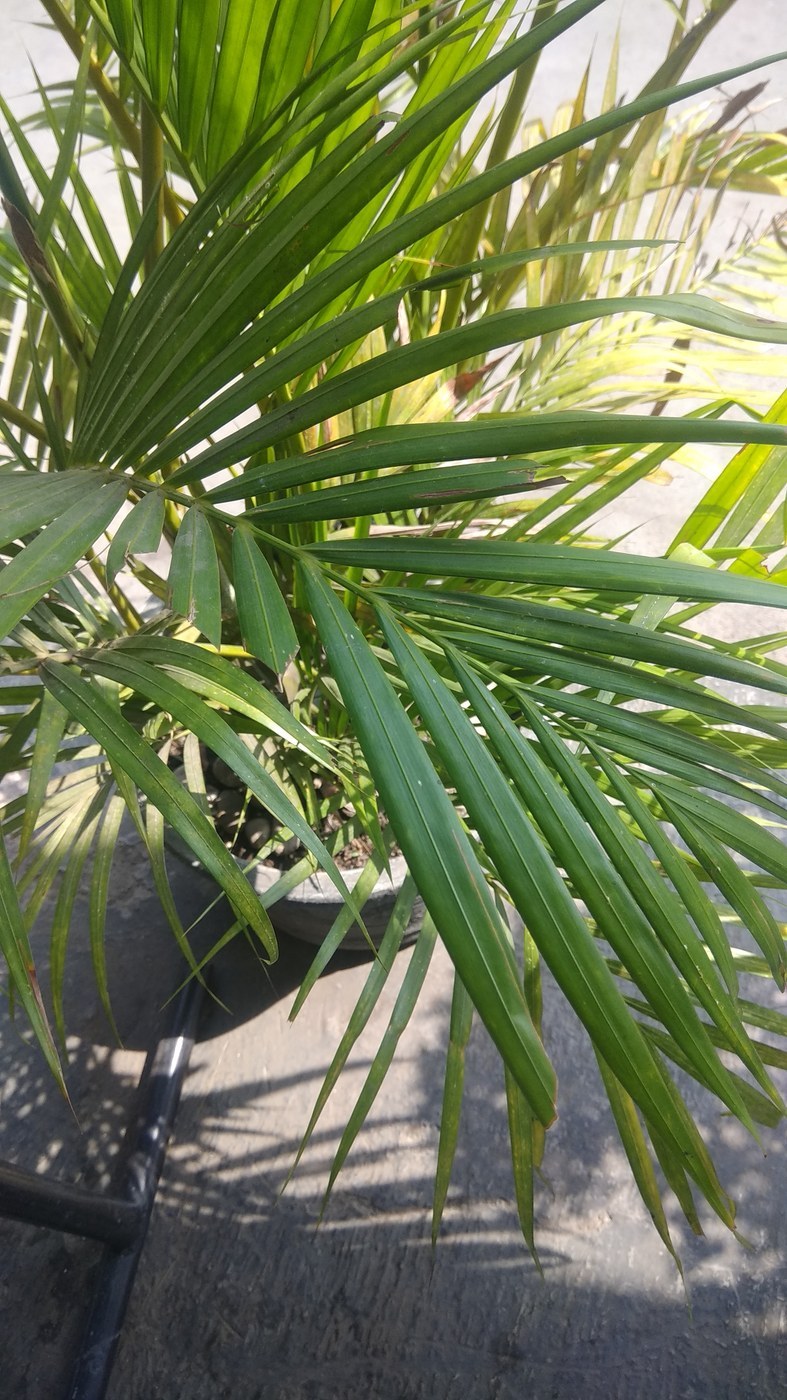
Areca Palm (Dypsis lutescens), also called the butterfly or golden cane palm, is a graceful clumping palm with arching, feathery fronds on slender yellow-green canes. It is a moderately easy houseplant that brings a lush, tropical feel indoors when given bright light and steady moisture.
Light
Give the Areca Palm bright, indirect light - a spot near a bright window with filtered sun is ideal. It handles some gentle morning sun but harsh direct midday sun scorches the fronds. In too little light it grows thin, pale, and slow. Rotate the pot periodically for even, symmetrical growth.
Water
Keep the soil lightly and evenly moist, letting the top inch or so dry before watering again. Areca palms dislike both drought and soggy roots - underwatering browns the frond tips, while overwatering rots the roots. Water thoroughly, let excess drain fully, and never leave the pot standing in water. They are sensitive to fluoride and salts, so filtered, distilled, or stood-out tap water helps prevent tip burn.
Soil & Potting
Use a light, well-draining potting mix - a peat- or coir-based mix loosened with perlite and sand or fine bark suits it well. Always plant in a container with drainage holes. Arecas like to be somewhat snug in their pots and can be slightly crowded before moving up.
Humidity & Temperature
Warmth and humidity keep this palm at its best. Aim for average to high humidity; dry indoor air causes brown, crispy frond tips, so use a humidifier, pebble tray, or grouping to raise it. Keep temperatures in a comfortable warm range, roughly 65 to 80 F, and protect the palm from cold drafts, sudden chills, and heating or cooling vents.
Feeding
Feed during the growing season, spring through summer, with a balanced or palm-specific fertilizer at half strength roughly monthly, or use a slow-release palm food. Arecas can show nutrient deficiencies (yellowing or spotted fronds), so a palm formula with micronutrients like magnesium helps. Reduce or stop feeding in autumn and winter.
Propagation
Propagate by division of the clumping canes. Carefully separate a cluster of stems with its own roots from the main clump at repotting time and pot it up in the same moist, well-drained mix. Keep divisions warm, humid, and shaded until re-established. Arecas can be grown from seed but this is slow and less practical at home.
Repotting / Pruning
Repot every two to three years in spring, moving up one pot size only, as arecas resent frequent disturbance and prefer being somewhat root-snug. Handle the root ball gently. Pruning is minimal - trim off only fully brown, dead fronds at the base with clean shears. Avoid cutting green fronds, and never cut the growing tips of the canes, which will not regrow.
Common Problems & Pests
Brown frond tips are the most common complaint, usually from dry air, underwatering, or fluoride and salt in the water. Yellowing fronds can mean overwatering, poor drainage, or nutrient deficiency. Indoors, watch for spider mites, mealybugs, and scale, especially in dry conditions - inspect the fronds and treat early by wiping and rinsing. Good humidity and consistent watering prevent most issues.
Seasonal Care Tips
In spring and summer, keep the palm in bright indirect light, water consistently, feed lightly, and repot or divide if needed. In autumn and winter, growth slows: reduce feeding, water a little less while keeping the mix from drying out, boost humidity against dry heated air, and keep the palm away from cold windows and drafts.
Frequently asked questions
Why are my Areca Palm's frond tips turning brown?
Brown tips usually come from dry air, underwatering, or fluoride and mineral salts in tap water. Raise humidity, keep the soil lightly moist, and water with filtered, distilled, or stood-out water.
How much light does an Areca Palm need?
Bright, indirect light is ideal. It tolerates gentle morning sun but harsh direct sun scorches the fronds, while low light makes it thin and pale. Rotate the pot for even growth.
How often should I water my Areca Palm?
Water when the top inch of soil dries, keeping the mix lightly and evenly moist. Let excess drain fully and never leave it in standing water, which rots the roots.
Can I cut back an Areca Palm to make it bushier?
No. Never cut the growing tips of the canes - they will not regrow, and topping ruins the palm. Only remove fully brown, dead fronds. For fullness, divide or group multiple plants.
How often should I repot an Areca Palm?
Every two to three years in spring, moving up just one pot size. Arecas prefer being somewhat root-snug and dislike frequent disturbance, so handle the root ball gently.