Areca Palm
Dypsis lutescens
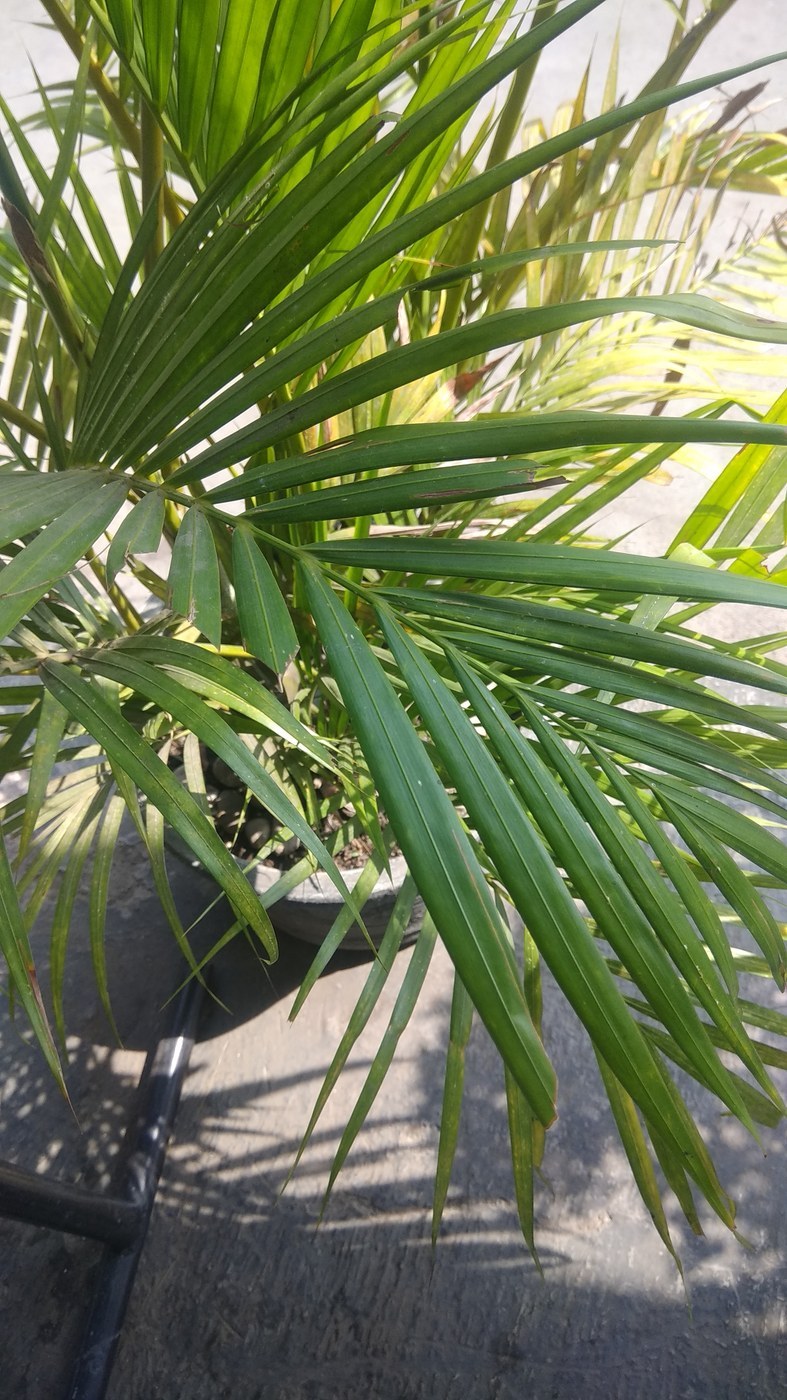
A clumping feather palm with feathery, arching fronds and golden-yellow stems. One of the most popular indoor palms.
- Light
- Bright indirect light
- Water
- Keep lightly moist; let topsoil dry
- Difficulty
- Moderate
Got a plant like this?
Identify any plant from a photo, free.
Overview
The Areca Palm is a clumping, multi-stemmed feather palm and one of the most widely grown indoor palms in the world. It forms a dense cluster of slender, bamboo-like canes topped with soft, arching fronds.
The stems take on a golden-yellow hue in good light, giving rise to the name golden cane palm. Reaching 6-7 ft indoors, it adds a graceful, tropical presence to a room.
How to identify it
Look for:
- Fronds: long, feathery, arching, with many narrow yellow-green leaflets, giving a butterfly-like look
- Stems: multiple slender, ringed, bamboo-like canes that turn golden-yellow in bright light
- Habit: clumping and bushy, forming a dense cluster from the base
- Size: typically 6-7 ft indoors; up to 20-30 ft outdoors
- Growth: clumps spread outward as new canes emerge from the base
Care & growing
Light: Bright indirect light; some gentle direct sun is tolerated. Too little light causes thin, sparse growth.
Water: Keep lightly moist, letting the top inch dry between waterings. Avoid both soggy soil and prolonged dryness; sensitive to fluoride and salts, so filtered water helps.
Soil: Light, well-draining potting mix.
Temperature: 65-80F (18-27C); protect from cold drafts.
Humidity: Moderate to high; mist to reduce brown tips.
Feeding: Palm fertilizer during spring and summer.
Propagation: By division of the clump or from seed.
Habitat & origin
Native to Madagascar, where it is actually rare in the wild, growing in sandy soils and open areas. It has been widely naturalized in tropical regions around the world.
It is grown as a popular indoor palm globally and as an outdoor landscape and privacy-screen palm in tropical and subtropical climates.
Frequently asked questions
Why does my Areca Palm have brown leaf tips?
Brown tips often result from low humidity, underwatering, or sensitivity to fluoride and salts in tap water. Use filtered water, keep humidity up, and water consistently.
How big does an Areca Palm get indoors?
Indoors it typically reaches 6-7 ft tall, growing slowly and spreading into a clump over time.
Why are the lower fronds yellowing?
Occasional yellowing of old fronds is normal, but widespread yellowing may indicate a nutrient deficiency or overwatering. Feed with palm fertilizer and check drainage.
Areca Palm guides
In-depth guides for identifying, growing, and caring for Areca Palm.
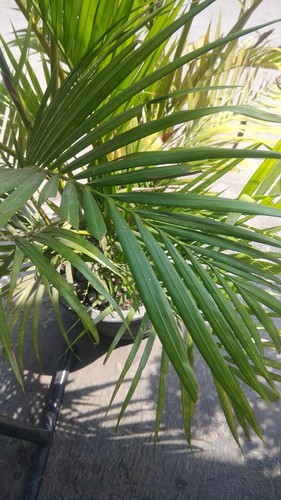
How to Care for Areca Palm
Grow the Areca Palm, a graceful feather-leaved indoor palm that loves bright indirect light, steady moisture, and warm humid air.
Areca Palm Identification Guide
Recognize Dypsis lutescens by its clustering yellow-green bamboo-like canes and arching feathery fronds, and tell it apart from majesty and kentia palms.