
How to Care for Ashwagandha
Ashwagandha is a heat-loving, drought-tolerant shrub for full sun; grow it in gritty soil with light watering.
Read the full Ashwagandha encyclopedia entry →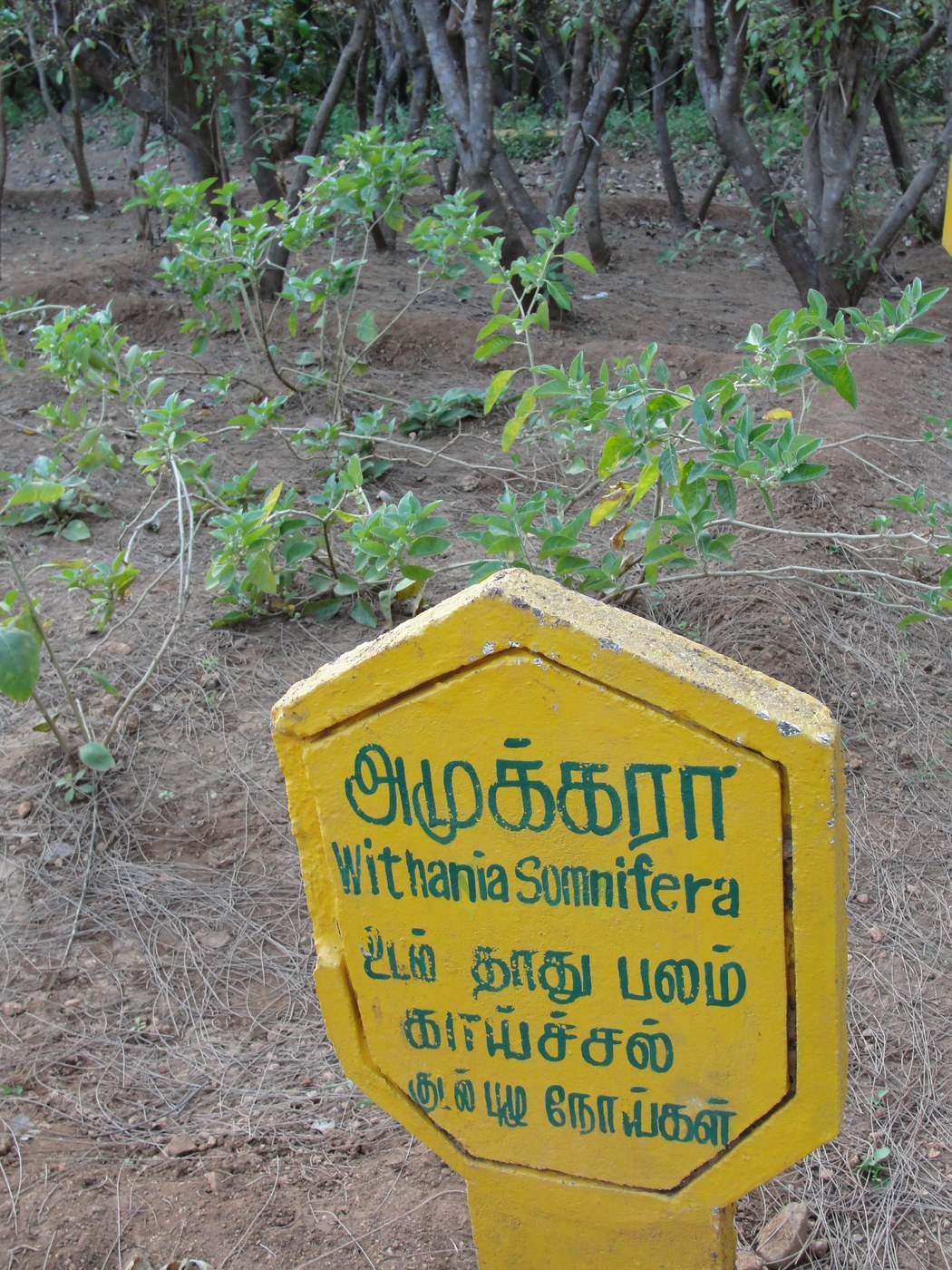
Ashwagandha (Withania somnifera) is a small, woody, evergreen shrub native to dry regions, grown as an ornamental for its soft gray-green foliage and clusters of small papery-lantern seed pods that ripen to orange-red berries. It is a moderate-difficulty plant that thrives on heat, sun, and lean, well-drained conditions.
Light
Grow ashwagandha in full sun. It is adapted to bright, exposed sites and needs at least 6-8 hours of direct light for sturdy, compact growth and good pod set. In too much shade it becomes leggy and sparse. Indoors it needs your brightest window or a grow light to perform.
Water
Water low and infrequently. Once established it is markedly drought-tolerant and prefers to dry out well between waterings, resenting wet feet. Give young plants modest, regular water to establish, then let the soil dry substantially before soaking again. Overwatering is the quickest way to weaken or kill it.
Soil & Potting
Use a gritty, sharply draining soil on the lean, sandy side. It naturally grows in poor, dry ground and does not need rich soil; heavy, water-retentive mixes cause root problems. In containers, choose a pot with generous drainage and add sand or perlite to a standard mix.
Humidity & Temperature
This is a warm-climate shrub that loves heat and low humidity. It grows best between 20-35C (68-95F) and is frost-sensitive, so protect it below about 5C (40F). Excess humidity and poor airflow encourage fungal trouble, so give it an open, breezy position.
Feeding
Feed sparingly. Ashwagandha is adapted to poor soils and needs little fertilizer; a light application of balanced fertilizer once or twice during the growing season is plenty. Overfeeding produces soft, floppy growth at the expense of a compact, sturdy habit.
Propagation
Propagate primarily from seed, sown in warmth in spring; seedlings germinate in a couple of weeks and are pricked out once large enough to handle. It is often grown as an annual or short-lived perennial from seed each year in cooler climates. Semi-hardwood cuttings can also be attempted in warm conditions.
Repotting / Pruning
Repot container plants in spring if they outgrow the pot, keeping the gritty, free-draining mix. Light pruning tidies the shrub and encourages branching; pinch young plants to promote a fuller shape. Remove spent or straggly stems to keep growth compact.
Common Problems & Pests
Root rot from overwatering or heavy soil is the main risk, shown by wilting and blackened stems, so err on the dry side. In humid conditions watch for leaf spot and mildew, improving airflow to prevent them. Sap-sucking pests such as aphids, whiteflies, and spider mites may appear; rinse them off or treat with insecticidal soap.
Seasonal Care Tips
Sow and plant out after all frost danger has passed once soil is warm. Through the hot months it grows and sets its lantern-like pods with minimal care. As cool weather arrives, reduce watering to almost nothing, and in frost-prone areas either overwinter a potted plant in a bright, frost-free spot or collect seed to sow again next season.
Frequently asked questions
How often should I water ashwagandha?
Water low and infrequently. Once established it is drought-tolerant and prefers the soil to dry out well between waterings. Overwatering is the most common cause of failure.
Does ashwagandha need full sun?
Yes. It is a sun-loving shrub that needs at least 6-8 hours of direct sunlight for compact, healthy growth. In shade it becomes leggy and weak.
How do I grow ashwagandha from seed?
Sow seed in warmth in spring in a gritty, well-drained mix. Seedlings usually emerge within a couple of weeks; transplant them once they are large enough to handle and plant out after frost.
Can I grow ashwagandha in a pot?
Yes. Use a container with excellent drainage and a lean, sandy mix, place it in full sun, and water sparingly. Container growing also makes it easy to overwinter in cold climates.