How to Care for Asparagus Fern
Grow lush, feathery Asparagus Fern (Asparagus aethiopicus) indoors or in shade with bright indirect light and lightly moist soil.
Read the full Asparagus Fern encyclopedia entry →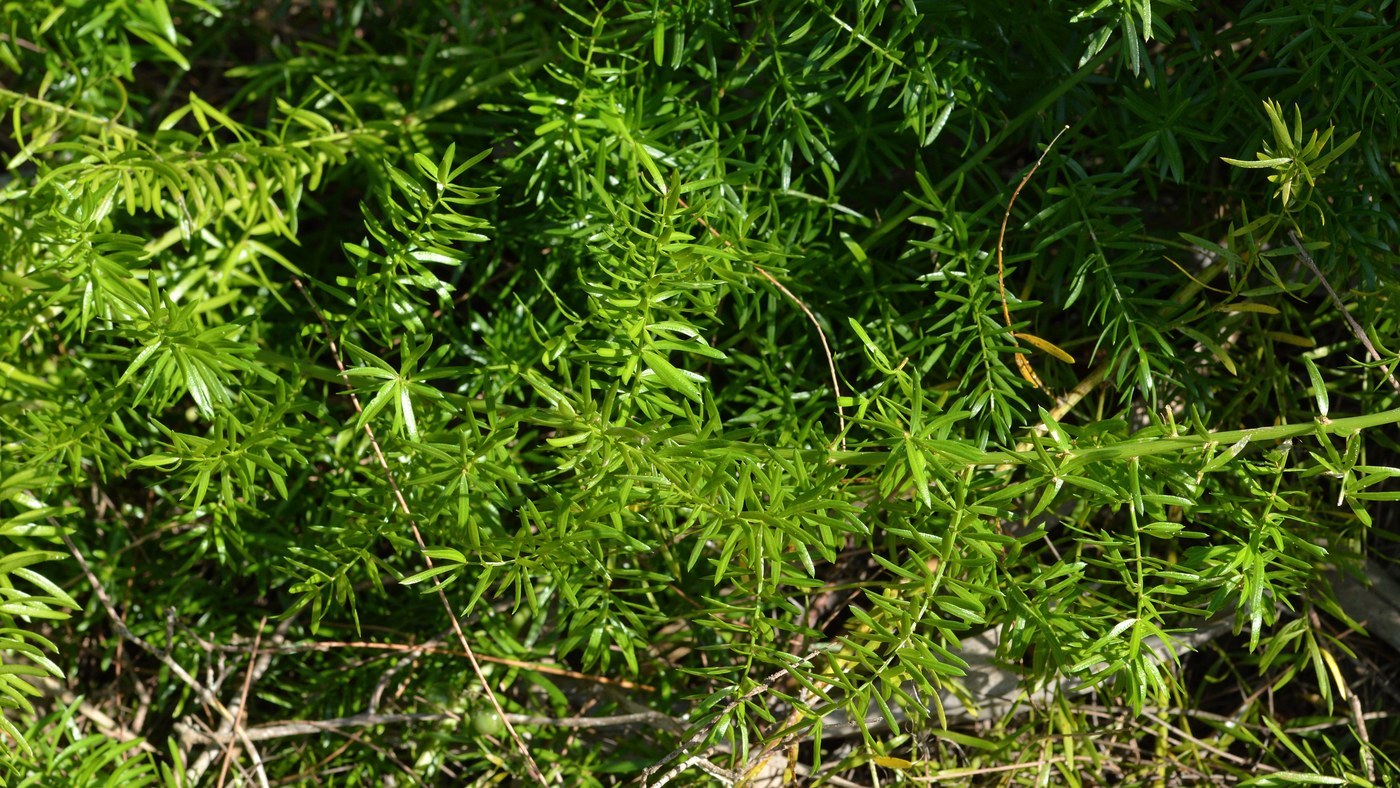
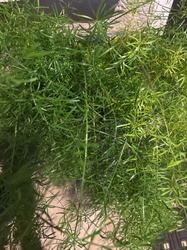
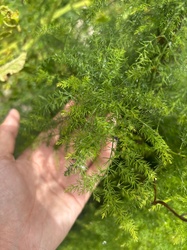
Asparagus Fern (Asparagus aethiopicus) is not a true fern but a member of the lily family grown for its soft, feathery, arching plumes of bright green foliage. Easy-going and fast-growing, it makes a full houseplant, a spilling accent in containers, or a lush shade filler outdoors in mild climates.
Light
Asparagus Fern grows best in bright, indirect light. It tolerates a few hours of gentle morning sun but scorches and yellows in harsh midday rays. Indoors, an east-facing window or a spot near a bright south or west window with sheer curtains is ideal. In too little light the plant thins and stretches; in too much direct sun the fine foliage bleaches and browns.
Water
Keep the soil lightly moist, letting the surface dry between waterings. Water thoroughly when the top inch feels dry, then allow excess to drain freely. The plant stores moisture in tuberous roots, so it forgives occasional lapses, but prolonged dryness causes needle drop and prolonged sogginess leads to root rot. Reduce watering in winter when growth slows.
Soil & Potting
Use a well-drained, peat- or coir-based potting mix enriched with a little organic matter. A general-purpose houseplant mix amended with perlite works well. The plant's vigorous tuberous roots can be dense and even crack pots over time, so choose a sturdy container with drainage holes and expect fairly frequent repotting.
Humidity & Temperature
Average room warmth of 65 to 75 degrees Fahrenheit suits it well, and it dislikes cold drafts and temperatures below about 50 degrees. It appreciates moderate to high humidity; dry indoor air causes needle drop and browning tips. Boost humidity by grouping plants, using a pebble tray, or occasional misting. Protect it from frost, moving container plants indoors before cold weather.
Feeding
Feed monthly during spring and summer with a balanced, diluted liquid fertilizer to support its fast growth. Reduce or stop feeding in fall and winter when the plant rests. Avoid over-fertilizing, which can cause salt buildup and leaf browning; flush the soil occasionally with plain water to clear excess salts.
Propagation
The easiest method is division: unpot a mature plant and cut or pull the tuberous root mass into sections, each with roots and shoots, then pot them separately. It can also be grown from seed collected from its berries, though seed is slower and less predictable. Water divisions well and keep them in bright, indirect light while they recover.
Repotting / Pruning
Repot in spring every one to two years, or sooner when roots fill the pot or push it upward. The thick tuberous roots benefit from being loosened or trimmed at repotting. Prune anytime to shape the plant, remove yellowed or leggy stems, and cut back overgrown growth near the base to encourage fresh, dense plumes. Wear gloves, as older stems bear small thorns.
Common Problems & Pests
Yellowing and needle drop usually signal too little light, dry air, or inconsistent watering. Browning tips point to low humidity or fertilizer salt buildup. Watch for spider mites, mealybugs, and scale, especially in dry indoor conditions; treat with insecticidal soap and by raising humidity. Root rot follows chronic overwatering, so ensure the pot drains freely.
Seasonal Care Tips
In spring and summer, water regularly, feed monthly, and repot if crowded. In fall and winter, cut back on water and feeding and keep the plant warm and away from cold windows and heating vents. Refresh humidity through dry winter months, and trim out any tired growth in early spring to spur a flush of new plumes.
Frequently asked questions
Is Asparagus Fern really a fern?
No. Despite its feathery look and common name, it is a flowering plant in the asparagus family, not a true fern, which is why it produces small flowers and berries.
Why is my Asparagus Fern dropping its needles?
Needle drop is usually caused by low humidity, dry soil, or too little light. Keep the soil lightly moist, raise humidity, and move it to a brighter indirect spot.
Why are the tips turning brown?
Brown tips typically indicate dry air or a buildup of fertilizer salts. Increase humidity, water evenly, and flush the soil with plain water occasionally to clear excess salts.
How often should I repot it?
Every one to two years in spring, or whenever the tuberous roots fill the container or start pushing the plant upward. The dense roots grow fast and can crack thin pots.
Asparagus Fern identified by the community
Recent Asparagus Fern specimens identified with Plant Identifier.