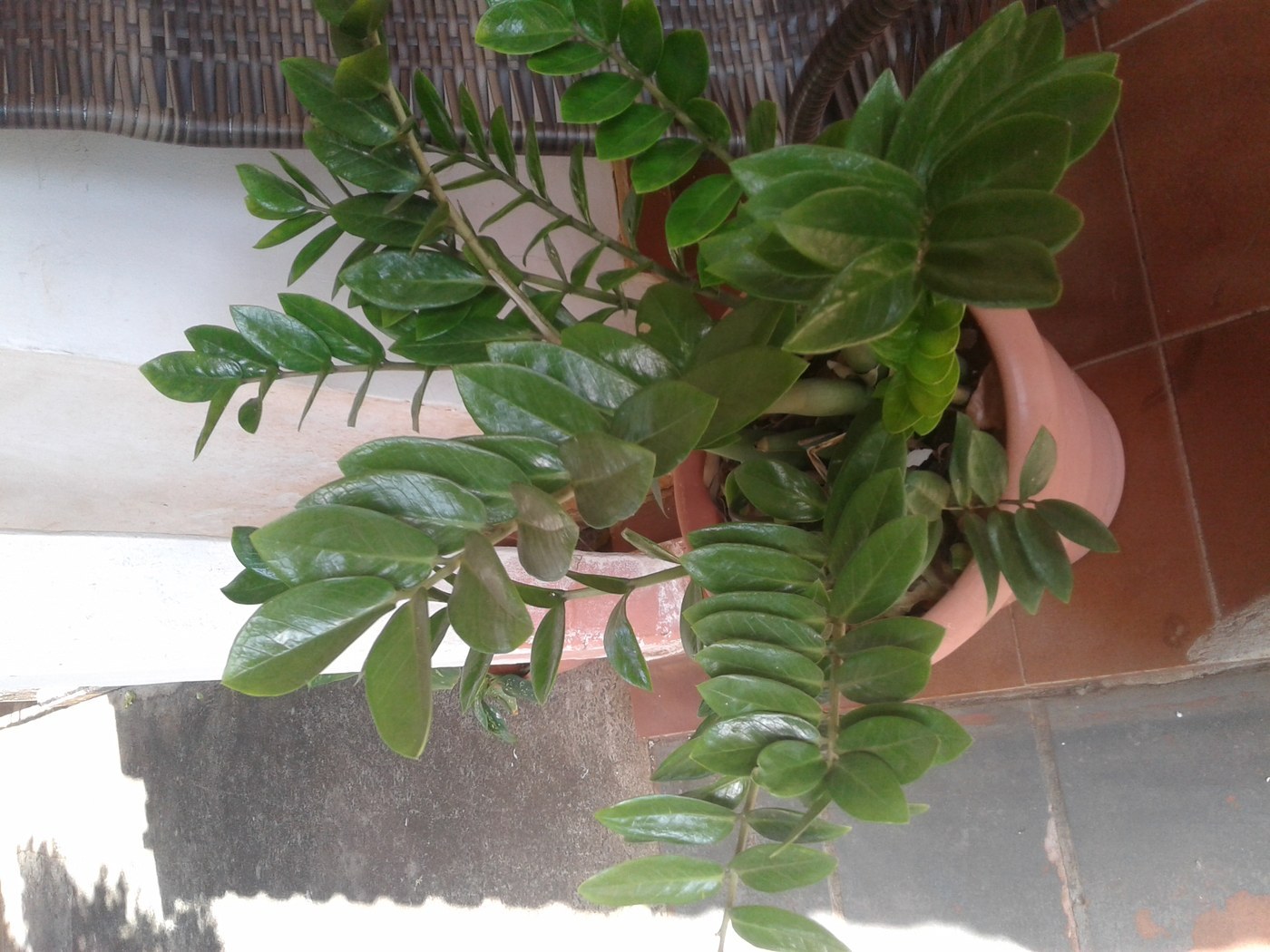
Asparagus Fern
Asparagus aethiopicus
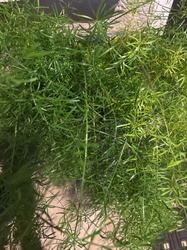
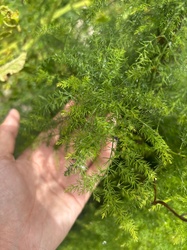
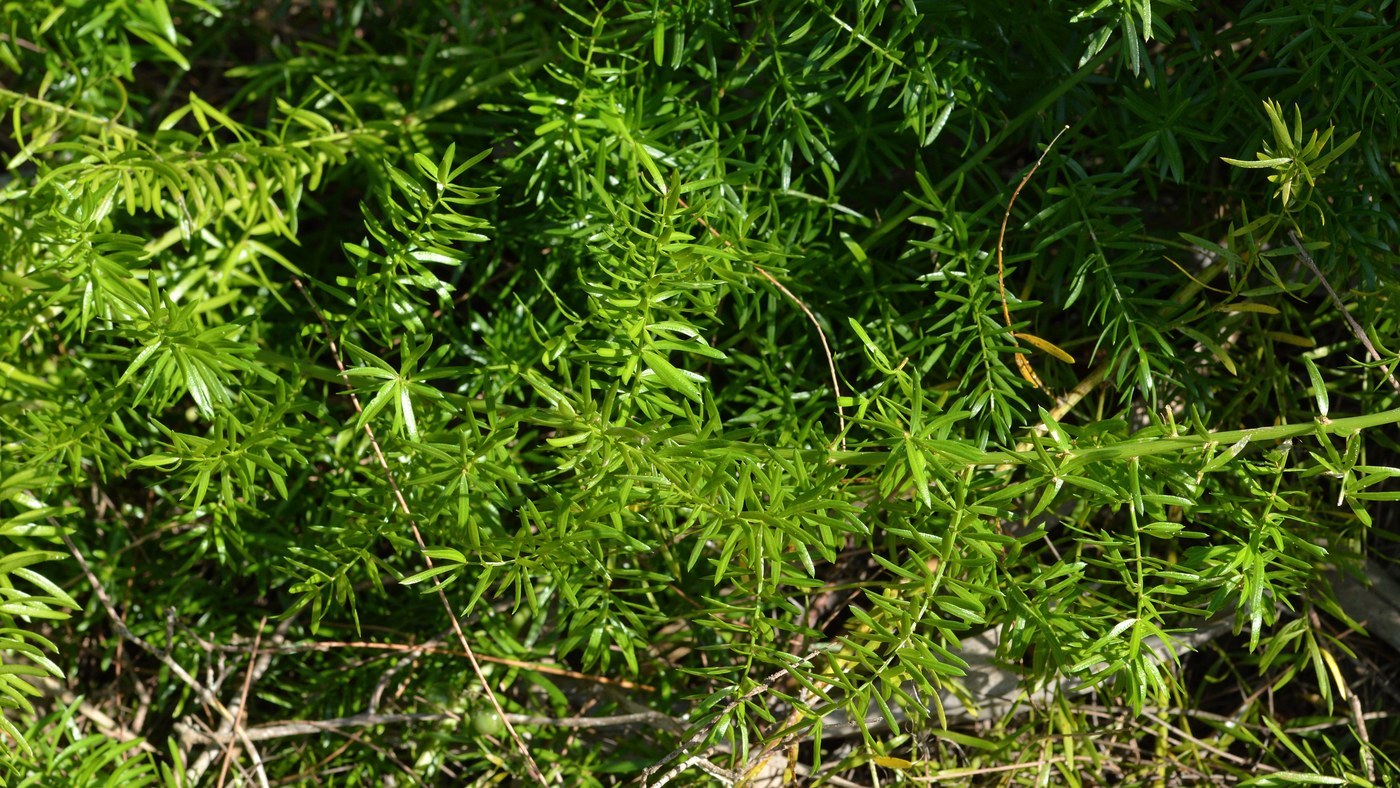
The asparagus fern is not a true fern but a relative of garden asparagus, grown for its soft, feathery sprays of bright green needle-like foliage. It is easy and fast-growing.
- Light
- Bright indirect light
- Water
- Keep lightly moist; let surface dry
- Difficulty
- Easy
Got a plant like this?
Identify any plant from a photo, free.
Overview
Asparagus aethiopicus is a member of the asparagus family that only looks fern-like, with arching stems clothed in fine, feathery, needle-like cladodes that give it a soft, airy texture. Despite the common name, it is not a true fern and reproduces by seed, not spores.
It is tough, fast-growing, and forgiving, tolerating more light and drought than real ferns. Tiny white flowers are followed by small red berries.
Beware that its stems carry small but sharp thorns, and the plant is considered invasive in some warm regions.
How to identify it
Identify the asparagus fern by:
- Foliage: soft, feathery sprays of fine, needle-like green cladodes (not true leaves)
- Stems: arching and trailing, bearing small, sharp thorns
- Flowers: tiny, white or pinkish, lightly fragrant
- Berries: small green berries ripening to red, each holding a seed
- Habit: bushy and cascading; the foxtail form makes upright plume-like stems
Care & growing
- Light: bright, indirect light; tolerates some morning sun
- Water: keep the soil lightly moist, letting the surface dry between waterings; tolerates occasional drought thanks to tuberous roots
- Humidity: moderate to high; mist if foliage yellows in dry air
- Soil: well-draining potting mix
- Temperature: 60-80 degrees F
- Feeding: feed monthly in spring and summer
- Propagation: division of the tuberous root mass, or from seed
- Caution: wear gloves, as the stems have small thorns
Habitat & origin
The asparagus fern is native to the coastal areas and forests of southern Africa, particularly South Africa, where it grows as a spreading ground cover and understory plant.
It is grown worldwide as a houseplant and as a landscape and hanging-basket plant in mild climates. In places such as Florida, Hawaii, and Australia it has escaped cultivation and is considered an invasive weed.
Frequently asked questions
Is the asparagus fern a real fern?
No. Despite its feathery, fern-like look it is a flowering plant in the asparagus family and reproduces by seed rather than spores.
Why is my asparagus fern turning yellow and dropping needles?
Yellowing and shedding usually come from too little light, dry air, or inconsistent watering. Give it bright indirect light, steady moisture, and higher humidity.
Does the asparagus fern have thorns?
Yes. Its arching stems carry small but sharp thorns, so it is best to wear gloves when handling or pruning it.
How do I keep an asparagus fern full and bushy?
Give it bright indirect light, steady moisture and monthly feeding in spring and summer, and trim leggy stems to encourage dense new growth.
Asparagus Fern guides
In-depth guides for identifying, growing, and caring for Asparagus Fern.
How to Care for Asparagus Fern
Grow lush, feathery Asparagus Fern (Asparagus aethiopicus) indoors or in shade with bright indirect light and lightly moist soil.
Asparagus Fern Identification Guide
Identify the Asparagus Fern (Asparagus setaceus/densiflorus) by its feathery, needle-like 'leaves', wiry arching stems, and small white flowers with red berries.
Asparagus Fern identified by the community
Real specimens identified with Plant Identifier.