Asparagus Fern Identification Guide
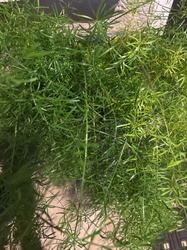
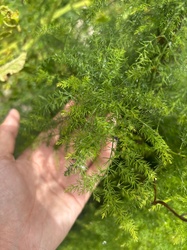
Identify the Asparagus Fern (Asparagus setaceus/densiflorus) by its feathery, needle-like 'leaves', wiry arching stems, and small white flowers with red berries.
Read the full Asparagus Fern encyclopedia entry →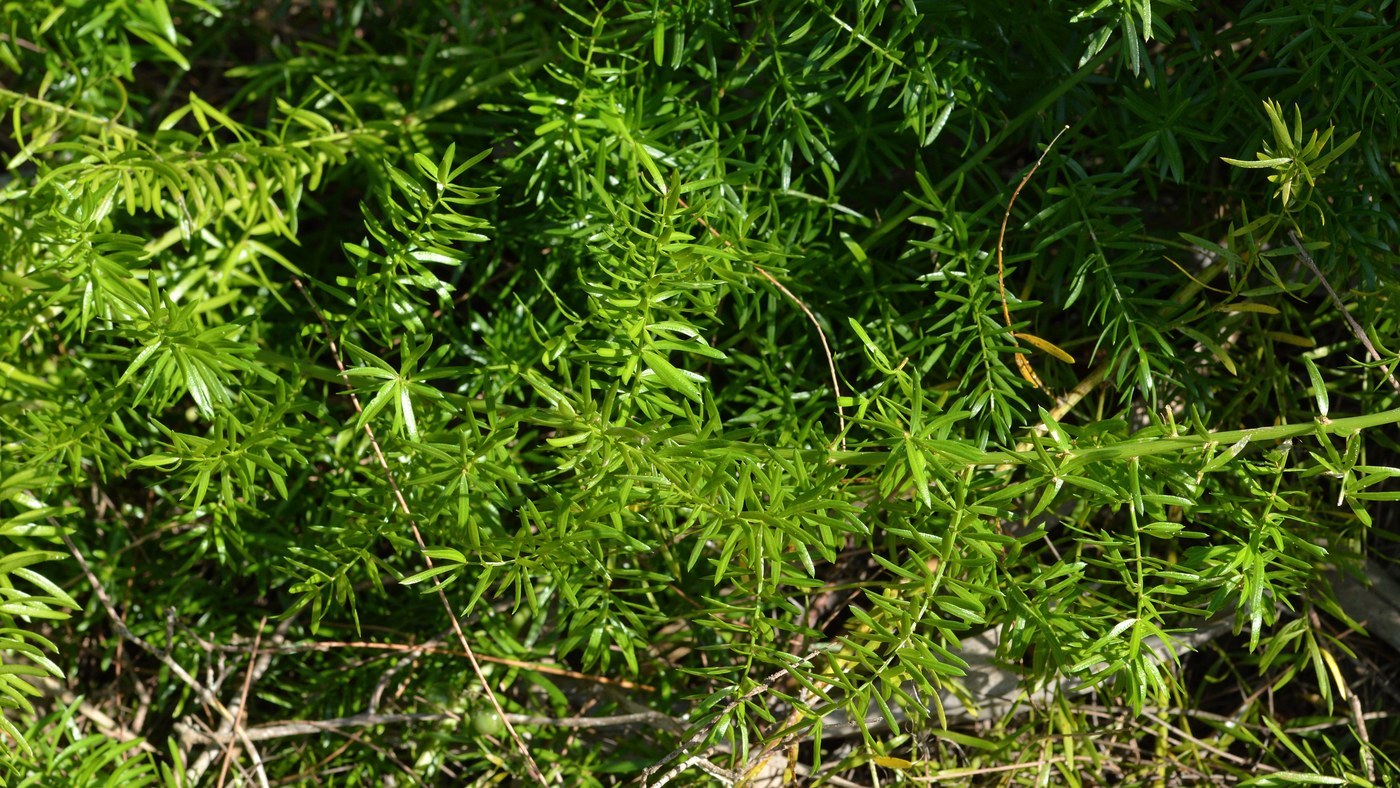
Key Identifying Features
The Asparagus Fern (Asparagus setaceus, A. densiflorus) is not a true fern at all but a relative of asparagus and lilies. It is grown for its soft, feathery, lacy foliage on wiry green stems. The fern-like look comes from tiny needle-shaped structures, not real leaves.
- Feathery, fine-textured foliage on arching or trailing stems
- Needle-like 'leaves' (actually flattened stems called cladodes)
- Produces tiny white flowers and red berries — proof it is not a fern
Leaves & Stems
The wispy foliage is the key, but its true nature is the giveaway:
- What look like soft needles are cladodes — short, flattened green stems doing the work of leaves; true leaves are reduced to tiny scales
- A. setaceus (lace fern) has flat, triangular, frond-like sprays of very fine cladodes; A. densiflorus 'Sprengeri' has bushier, brighter green, slightly arching plumes; 'Myers' (foxtail) forms dense cylindrical fox-tail plumes
- Stems are wiry, green, and often bear small hidden thorns — a strong ID clue, since true ferns have no thorns
- Habit is arching, trailing, or mounding, popular for hanging baskets
Flowers & Fruit
Unlike true ferns, it flowers and fruits:
- Tiny white to pale-pink star-shaped flowers, sometimes fragrant
- Followed by small round berries that ripen green to bright red
- The presence of flowers and berries definitively rules out a true fern, which reproduces by spores
How to Tell It Apart from Look-Alikes
- True ferns (Boston fern, etc.): reproduce by spores, never flower or fruit, and have no thorns; asparagus fern flowers, fruits, and has small spines.
- Asparagus: the same genus — a mature asparagus spear left to grow ferns out into similar feathery foliage.
- The asparagus fern signature is feathery foliage + wiry thorny stems + white flowers + red berries.
Where You'll Find It
A popular houseplant, hanging-basket, and florist greenery plant, it is also used as a groundcover in mild climates. Native to southern and eastern Africa, it has naturalized and become invasive in parts of Florida, Hawaii, Australia, and New Zealand, scrambling through warm coastal scrub.
Quick ID Checklist
- Soft, feathery, needle-like foliage
- Wiry green stems, often with tiny thorns
- Foliage is cladodes, not true leaves
- Small white flowers and red berries
- Arching, trailing, or fox-tail plume habit
Feathery foliage on thorny stems that flowers and sets red berries confirms an Asparagus Fern — and proves it is no true fern.
Frequently asked questions
Is the Asparagus Fern a real fern?
No. Despite its feathery, fern-like look, it is a flowering plant related to asparagus and lilies. The fact that it produces white flowers and red berries, which true ferns never do, confirms it is not a fern.
Why does my Asparagus Fern have thorns?
The wiry green stems carry small, sharp spines, an identifying feature that true ferns lack. Handle it with care, and use the thorns as a clue when distinguishing it from real ferns.
What are the needle-like 'leaves' really?
They are flattened stems called cladodes that perform photosynthesis in place of true leaves, which are reduced to tiny scales. This unusual structure is characteristic of the asparagus genus.
Asparagus Fern identified by the community
Recent Asparagus Fern specimens identified with Plant Identifier.