Tree Ivy
x Fatshedera lizei
Tree ivy is a rare bigeneric hybrid between Japanese aralia and English ivy, combining glossy, ivy-shaped leaves with an upright, shrubby stem. It is an easy, shade-tolerant foliage plant for cool rooms and shady gardens.
- Light
- Bright indirect to part shade
- Water
- When top inch dries
- Difficulty
- Easy
Got a plant like this?
Identify any plant from a photo, free.
Overview
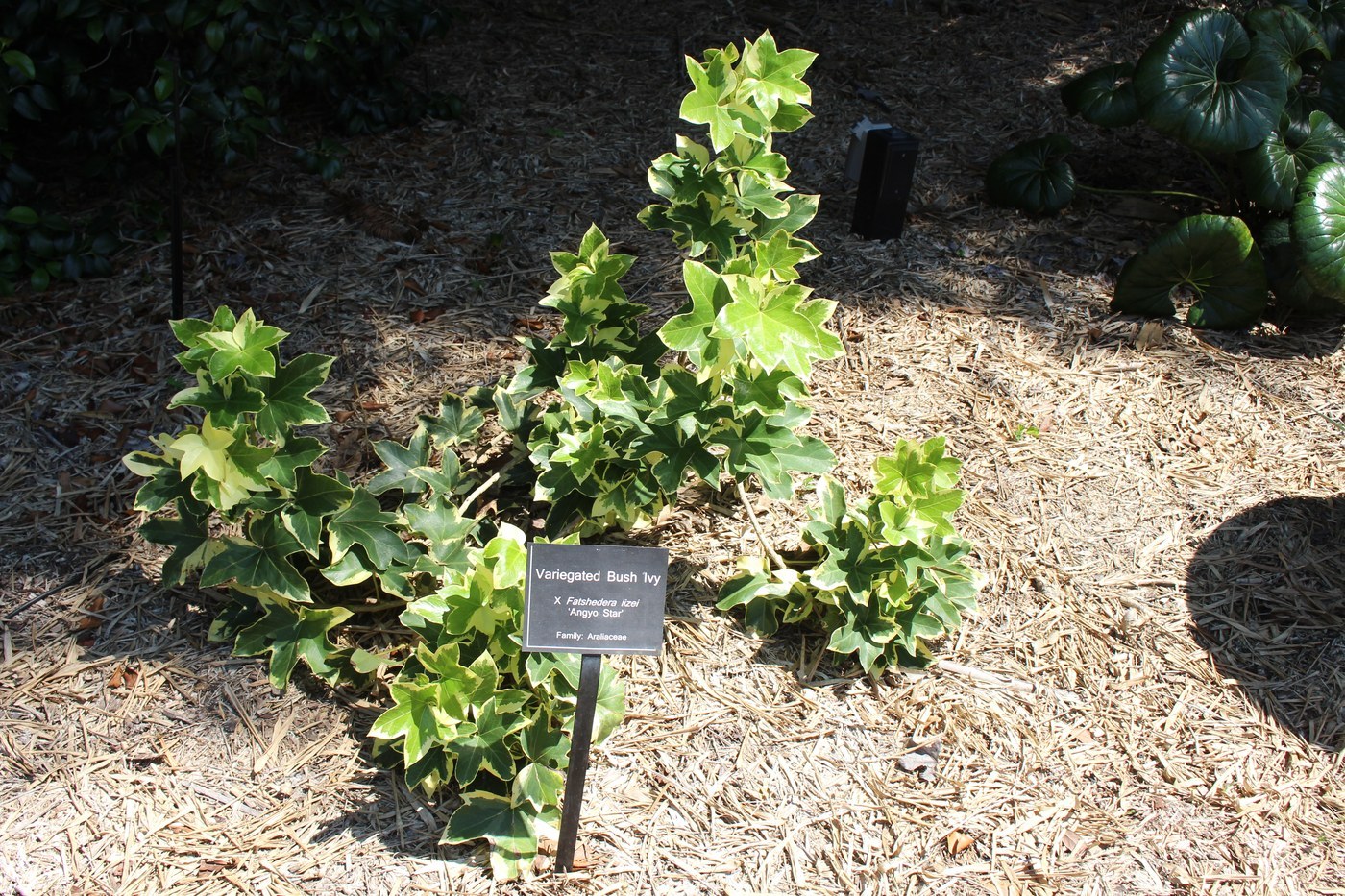
x Fatshedera lizei is a famous garden hybrid created in France in 1912 by crossing Fatsia japonica with Hedera helix (English ivy) - one of the few stable crosses between two different plant genera, marked by the "x" in its name.
The result is a loosely upright, semi-woody plant with large, glossy, five-lobed leaves that look like oversized ivy. Stems are flexible and benefit from staking or can be allowed to sprawl.
It is equally at home as a houseplant in a cool, bright room or as a hardy evergreen in mild, shaded gardens.
How to identify it
- Large, glossy, palmate leaves with five pointed lobes, 4-8 in across
- Upright but lax, semi-woody stems that may need support
- Evergreen, leathery foliage; variegated forms have cream margins
- Slow to moderate growth, reaching 3-6 ft
- Round clusters of small greenish-white flowers may appear on mature outdoor plants in autumn
Care & growing
Light: Bright indirect light indoors; part shade to shade outdoors. Variegated forms need a bit more light.
Water: Keep evenly moist in growth, letting the top inch dry between waterings. Reduce in winter.
Soil: Rich, well-draining potting mix or fertile garden soil.
Temperature: Prefers cool to average rooms (55-70 F); tolerant of cold and hardy to roughly USDA zone 7-8 outdoors.
Feeding: Monthly balanced feed during spring and summer.
Propagation: Very easy from stem-tip cuttings rooted in water or moist mix.
Habitat & origin
Tree ivy is a man-made hybrid with no wild native range. Its parents come from Japan (Fatsia japonica) and Europe and western Asia (Hedera helix).
It is grown worldwide as a houseplant and, in temperate-to-mild climates, as an evergreen for shady borders, courtyards, and north-facing walls where little else thrives.
Frequently asked questions
Why is the plant called a hybrid with an 'x'?
It is a bigeneric cross between two genera, Fatsia and Hedera, so its name carries an 'x' to mark the intergeneric origin.
Does tree ivy climb?
Not by itself. Its stems are floppy and need staking or tying to grow upright, or it can be left to sprawl as groundcover.
Can it grow outdoors?
Yes, in mild climates (about zone 7-8 and warmer) it is a hardy evergreen for shade; elsewhere grow it as a houseplant.
Tree Ivy guides
In-depth guides for identifying, growing, and caring for Tree Ivy.
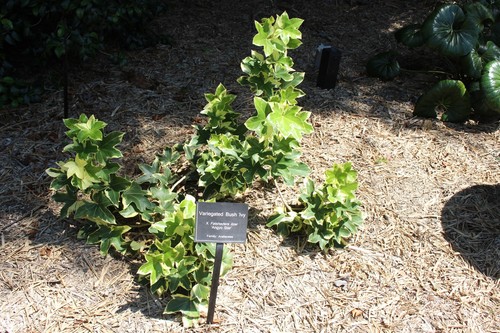
How to Care for Tree Ivy
Tree ivy is a tough, shade-tolerant hybrid with glossy leaves that grows happily indoors or in mild shady gardens.
Tree Ivy Identification Guide
Identify Tree Ivy (Fatshedera lizei), the hybrid of fatsia and ivy, by its glossy five-lobed leaves on a semi-upright stem. Covers leaf shape, habit, and look-alikes.