
How to Care for Tree Ivy
Tree ivy is a tough, shade-tolerant hybrid with glossy leaves that grows happily indoors or in mild shady gardens.
Read the full Tree Ivy encyclopedia entry →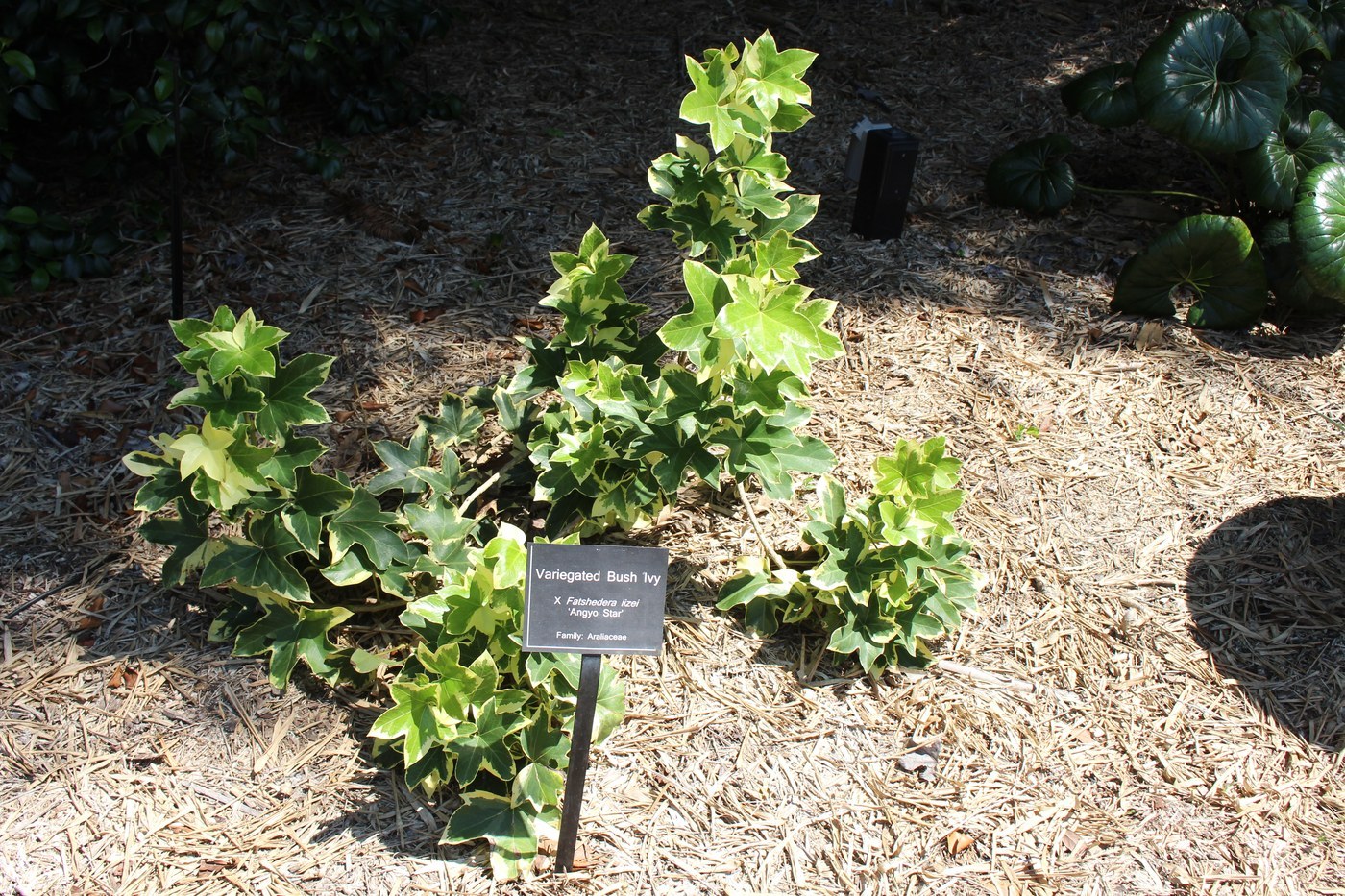
Tree ivy (x Fatshedera lizei) is a striking intergeneric hybrid between Fatsia and Hedera, combining the bold, glossy palmate leaves of one parent with the loose, climbing habit of the other. It is an adaptable, low-fuss plant that tolerates shade and cool conditions, making it a reliable houseplant and a handsome accent for shady garden corners in mild climates.
Light
Tree ivy prefers bright indirect light but adapts well to partial shade, which suits its stated preference. Indoors, an east- or north-facing window is ideal; avoid harsh direct midday sun, which can scorch the leaves. Variegated forms need a bit more light to keep their markings crisp. In the garden it thrives in dappled or full shade.
Water
Water when the top inch of soil dries out, keeping the mix lightly moist but never waterlogged. Reduce watering in winter when growth slows. The plant is fairly forgiving of occasional dryness but dislikes sitting in soggy soil, which invites root rot.
Soil & Potting
Use a well-drained, humus-rich potting mix, such as a general-purpose mix amended with perlite or bark for aeration. Choose a container with drainage holes. Outdoors it appreciates fertile, moisture-retentive but well-drained soil.
Humidity & Temperature
Tree ivy is happy in average room humidity but appreciates a little extra moisture in the air, especially in heated rooms. It tolerates cool temperatures well, thriving between 50 and 70 F, and can withstand brief dips near freezing outdoors. Keep it away from hot, dry radiators and cold drafts alike.
Feeding
Feed monthly with a balanced liquid fertilizer during the spring and summer growing season, diluted to half strength. Suspend feeding in autumn and winter when growth naturally slows.
Propagation
Propagate easily from stem-tip or stem-section cuttings taken in spring or summer. Root them in water or moist, well-drained potting mix; keeping them warm and lightly humid speeds rooting. Cuttings from upright shoots tend to grow upright, while side shoots stay more spreading.
Repotting / Pruning
Repot every couple of years in spring, or when roots fill the pot, moving up one pot size. The stems are semi-climbing and can become lax, so pinch the growing tips to encourage bushiness or provide a stake or trellis for support. Prune leggy stems in spring to keep the plant compact and well shaped.
Common Problems & Pests
Under dry indoor conditions watch for spider mites, aphids, scale, and mealybugs; wipe leaves and treat with insecticidal soap as needed. Leaf drop or scorch usually points to too much direct sun, cold drafts, or inconsistent watering. Yellowing lower leaves often indicate overwatering. Good airflow and steady care prevent most issues.
Seasonal Care Tips
Growth is strongest in spring and summer, the time to feed, repot, and take cuttings. In winter, cut back on water and feeding and keep the plant cool and bright. If grown outdoors in a mild climate, mulch the roots and shelter it from harsh winter winds; container plants can be brought indoors for the cold months.
Frequently asked questions
Why is my tree ivy getting leggy?
Leggy, sprawling growth is natural for this semi-climbing hybrid, especially in low light. Move it to brighter indirect light, pinch the growing tips regularly, and provide a stake or trellis to keep it tidy and upright.
Can tree ivy grow in low light?
Yes, it is notably shade-tolerant and handles partial shade better than most glossy-leaved plants. Bright indirect light gives the best growth, but it will manage in dimmer spots, though variegated types need more light to hold their pattern.
How often should I water tree ivy?
Water when the top inch of soil feels dry, keeping the mix lightly moist. Cut back in winter. Avoid letting it sit in waterlogged soil, which causes root rot and yellowing leaves.
Is tree ivy easy to propagate?
Very. Take stem-tip or stem-section cuttings in spring or summer and root them in water or moist potting mix kept warm and lightly humid. Upright shoots produce upright new plants; side shoots stay more spreading.