Silver Pothos
Scindapsus pictus
Silver pothos is a trailing tropical vine prized for its thick, heart-shaped leaves splashed with shimmering silvery markings, despite not being a true pothos.
- Light
- Bright indirect light
- Water
- When top inch of soil dries
- Difficulty
- Easy
Got a plant like this?
Identify any plant from a photo, free.
Overview
Silver pothos, more accurately called satin pothos, is Scindapsus pictus, a relative of true pothos (Epipremnum) but a distinct genus. It is grown for its strikingly patterned foliage rather than flowers.
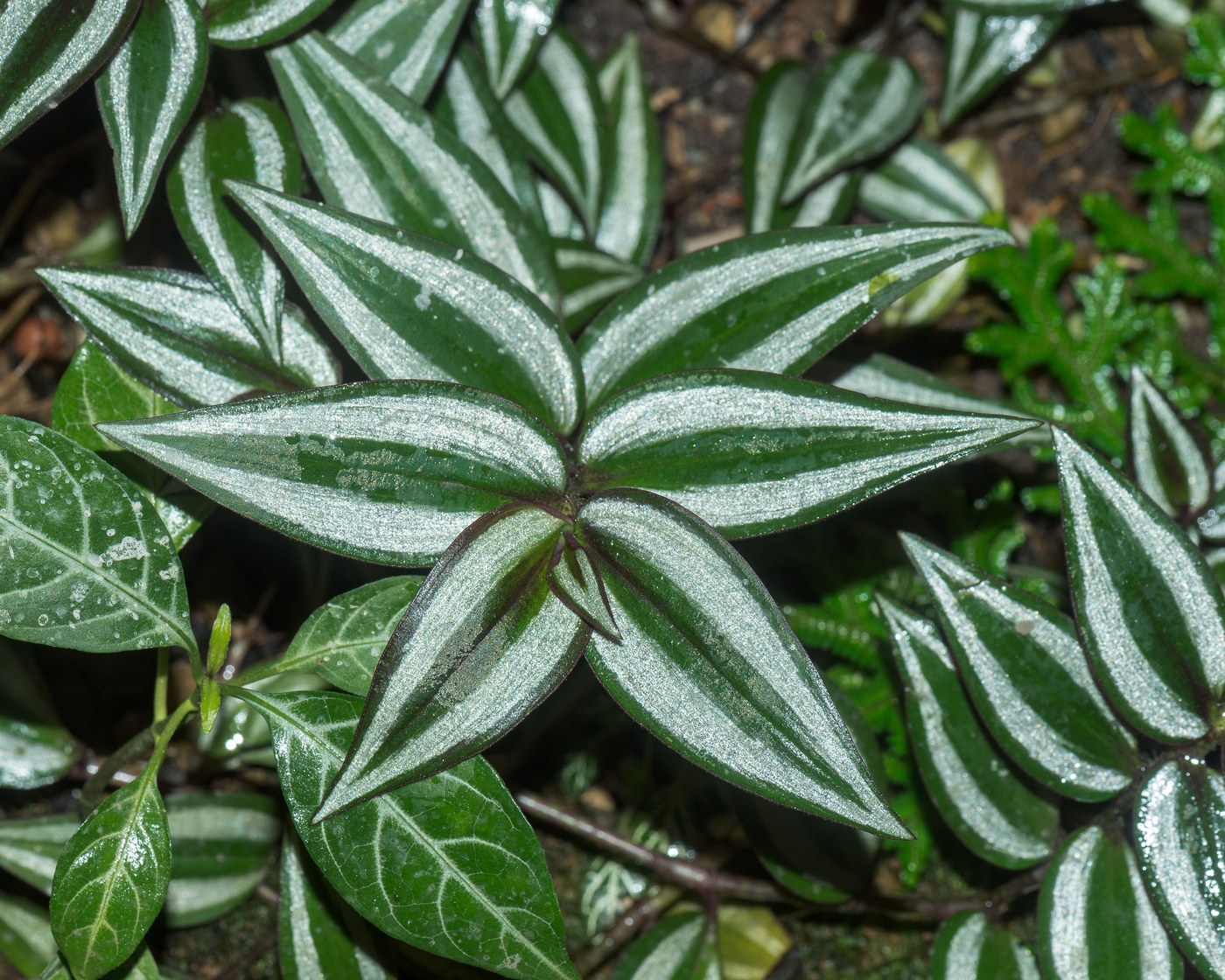
Its matte green leaves are dusted with metallic silver variegation that catches the light, making it one of the most popular and rewarding trailing houseplants for shelves and hanging pots.
How to identify it
Recognize it by:
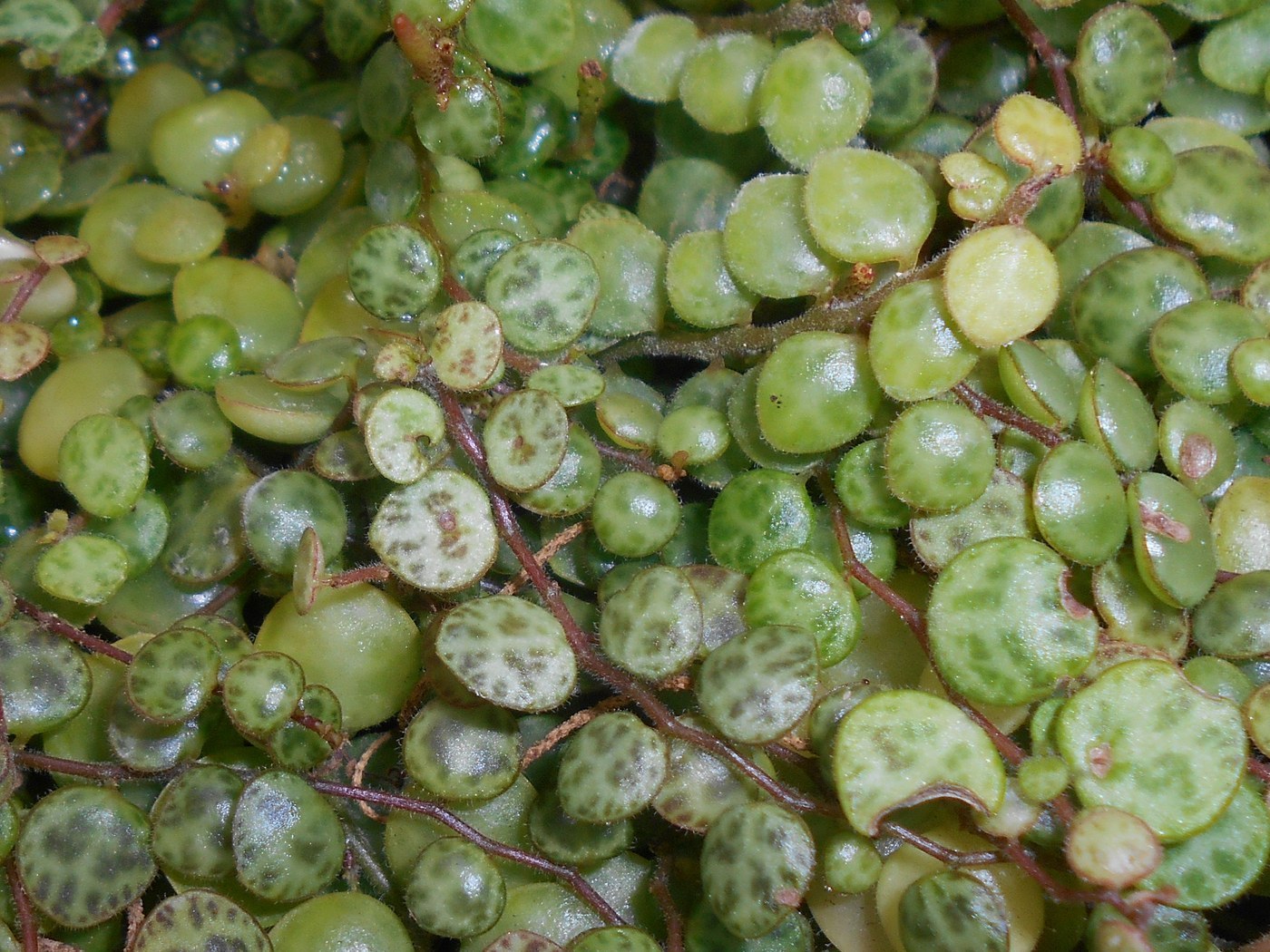
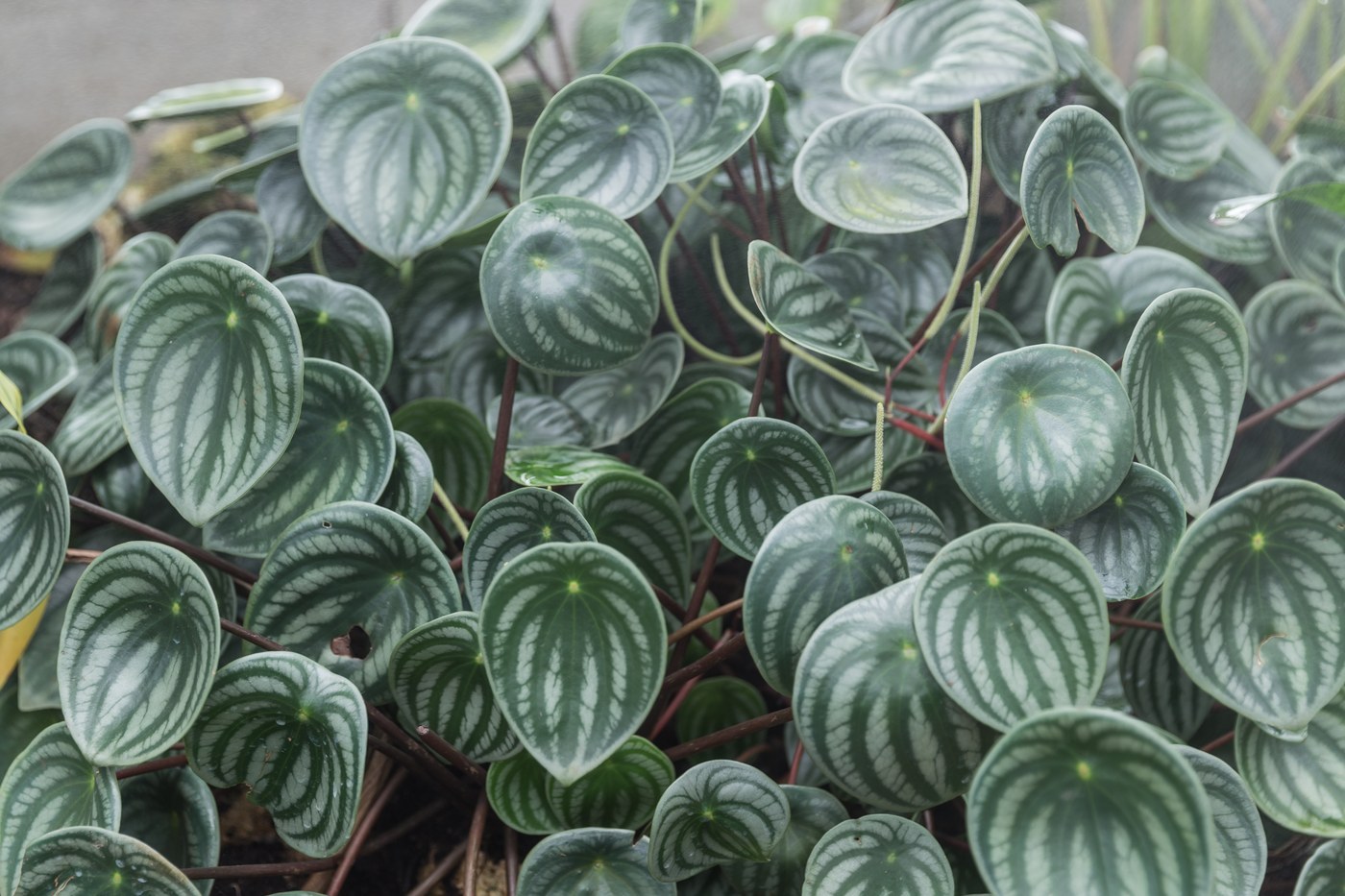
- Leaves: thick, heart-shaped, slightly puckered, with a soft matte finish
- Variegation: irregular silvery-grey blotches and a frosted sheen across deep green
- Habit: trailing or climbing vine with stems reaching several feet
- Aerial roots: produces small roots at nodes for climbing
- Note: unlike true pothos, leaves do not develop fenestrations (holes)
Care & growing
Light: Bright indirect light maximizes silver variegation; too little light makes leaves greener and growth leggy.
Water: Water when the top inch of soil dries; it is somewhat drought-tolerant and dislikes soggy soil.
Soil: Well-draining, airy potting mix with perlite or bark.
Temperature: 65-85F; keep away from cold drafts.
Feeding: Balanced liquid fertilizer monthly in spring and summer.
Propagation: Very easy from stem cuttings rooted in water or moist soil; cut just below a node.
Habitat & origin
Scindapsus pictus is native to the tropical forests of Southeast Asia, including Indonesia, Malaysia, the Philippines, and Bangladesh, where it climbs tree trunks in warm, humid, shaded understory.
It is cultivated worldwide as an indoor trailing plant and thrives in the warm, bright-shade conditions typical of homes.
Frequently asked questions
Is silver pothos a true pothos?
No. It is Scindapsus pictus, a close relative of true pothos (Epipremnum) but a separate genus, hence the common name satin pothos.
Why is my plant losing its silver color?
Insufficient light. Move it to a brighter spot with bright indirect light to restore the metallic variegation.
How often should I water it?
When the top inch of soil feels dry. It tolerates some drought and is sensitive to overwatering.
How do I propagate it?
Very easily from stem cuttings. Cut just below a node and root in water or moist soil.
Silver Pothos guides
In-depth guides for identifying, growing, and caring for Silver Pothos.

How to Care for Silver Pothos
Grow Scindapsus pictus, the shimmering Silver Pothos, with bright indirect light and careful watering for cascading, silver-splashed foliage.
Silver Pothos Identification Guide
Identify Silver Pothos (Scindapsus pictus) by its thick, matte heart-shaped leaves splashed with shimmering silver markings and its trailing vine habit.