
How to Care for Aster
Grow New York asters for masses of daisy-like blooms in late summer and fall. An easy, sun-loving perennial for borders and cutting.
Read the full Aster encyclopedia entry →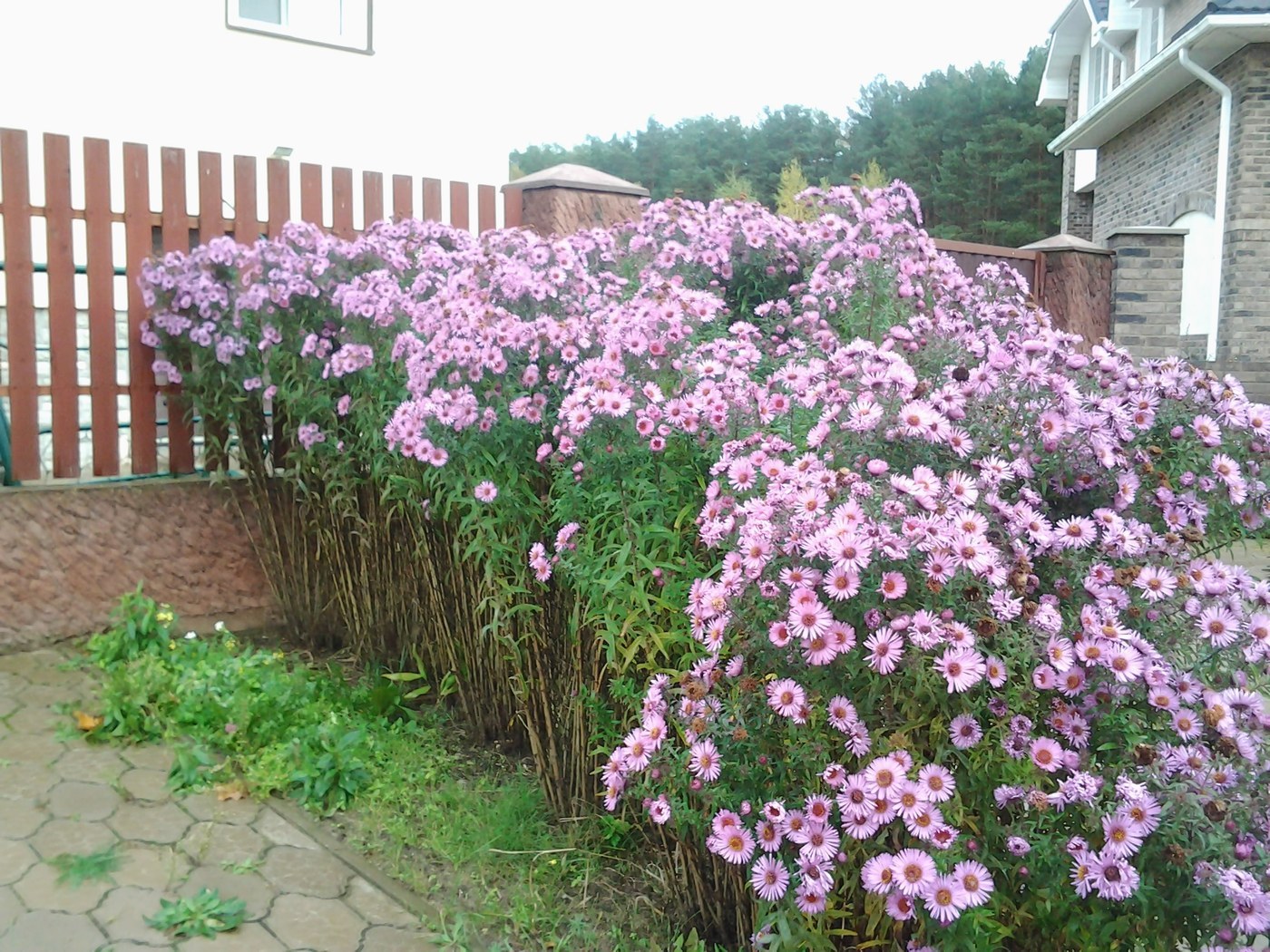
The New York aster (Symphyotrichum novi-belgii) is a clump-forming perennial prized for its clouds of daisy-like flowers that light up the garden from late summer through frost. It is an easy, reliable plant that rewards full sun and steady moisture with prolific bloom.
Light
Asters flower best in full sun, needing at least 6 hours of direct light daily. In too much shade the stems stretch, grow floppy, and produce fewer blooms while becoming more prone to mildew. A sunny, open spot with good air circulation gives the sturdiest, most floriferous plants.
Water
Keep the soil evenly moist, watering roughly weekly and more often during hot, dry spells. Asters have relatively shallow roots and dislike prolonged drought, which causes lower leaves to brown and drop. Water at the base rather than overhead to keep foliage dry and reduce disease.
Soil & Potting
Provide moist but well-drained, moderately fertile loam. Asters tolerate a range of soils but resent waterlogging in winter, which can rot the crown. Work in compost at planting to improve moisture retention and drainage alike. A neutral to slightly acidic pH suits them well.
Humidity & Temperature
Asters are cold-hardy perennials that thrive in temperate climates and shrug off autumn frosts. They handle average outdoor humidity but appreciate airflow, since crowded, humid conditions encourage powdery mildew. Roots survive hard winters where established in the ground.
Feeding
Feed lightly in spring with a balanced granular fertilizer or a topdressing of compost as new growth emerges. Avoid heavy nitrogen, which promotes lush, weak, mildew-prone foliage at the expense of flowers. A single spring feeding is usually enough for strong bloom.
Propagation
The easiest method is division every 2 to 3 years in early spring, lifting the clump and replanting vigorous outer sections while discarding the woody center. Basal stem cuttings taken in spring also root readily. Regular division keeps plants youthful and prevents the center from dying out.
Repotting / Pruning
Pinch back stems by about one-third in early summer (before mid-July) to encourage bushier, more compact growth and heavier flowering. Taller varieties benefit from staking. Cut spent stems to the ground after flowering or leave them for winter interest and trim in early spring.
Common Problems & Pests
Powdery mildew is the most common issue, appearing as a white coating on leaves in humid, crowded conditions; improve spacing and airflow to prevent it. Aphids may cluster on new growth, and rust or leaf spot can occur in wet seasons. Good air circulation and base watering prevent most trouble.
Seasonal Care Tips
Divide and plant in spring, pinch in early summer, and enjoy the main show from late summer into autumn. After frost, cut back or leave seed heads for winter structure. Mulch lightly in cold regions to protect the crown, and refresh with compost each spring.
Frequently asked questions
Why is my aster getting a white powder on the leaves?
That is powdery mildew, encouraged by crowding, poor airflow, and overhead watering. Space plants out, thin stems for circulation, and water at the base to keep foliage dry.
Should I pinch back my asters?
Yes. Pinching stems by a third in early summer produces bushier, sturdier plants with more blooms and less flopping. Stop pinching by mid-July so flower buds can form.
How often should I divide asters?
Every 2 to 3 years in early spring. Replant the vigorous outer growth and discard the woody center to keep the clump healthy and free-flowering.
Why are my asters flopping over?
Floppy stems usually mean too little sun, too much nitrogen, or an old clump that needs dividing. Give full sun, pinch in early summer, and stake tall varieties.