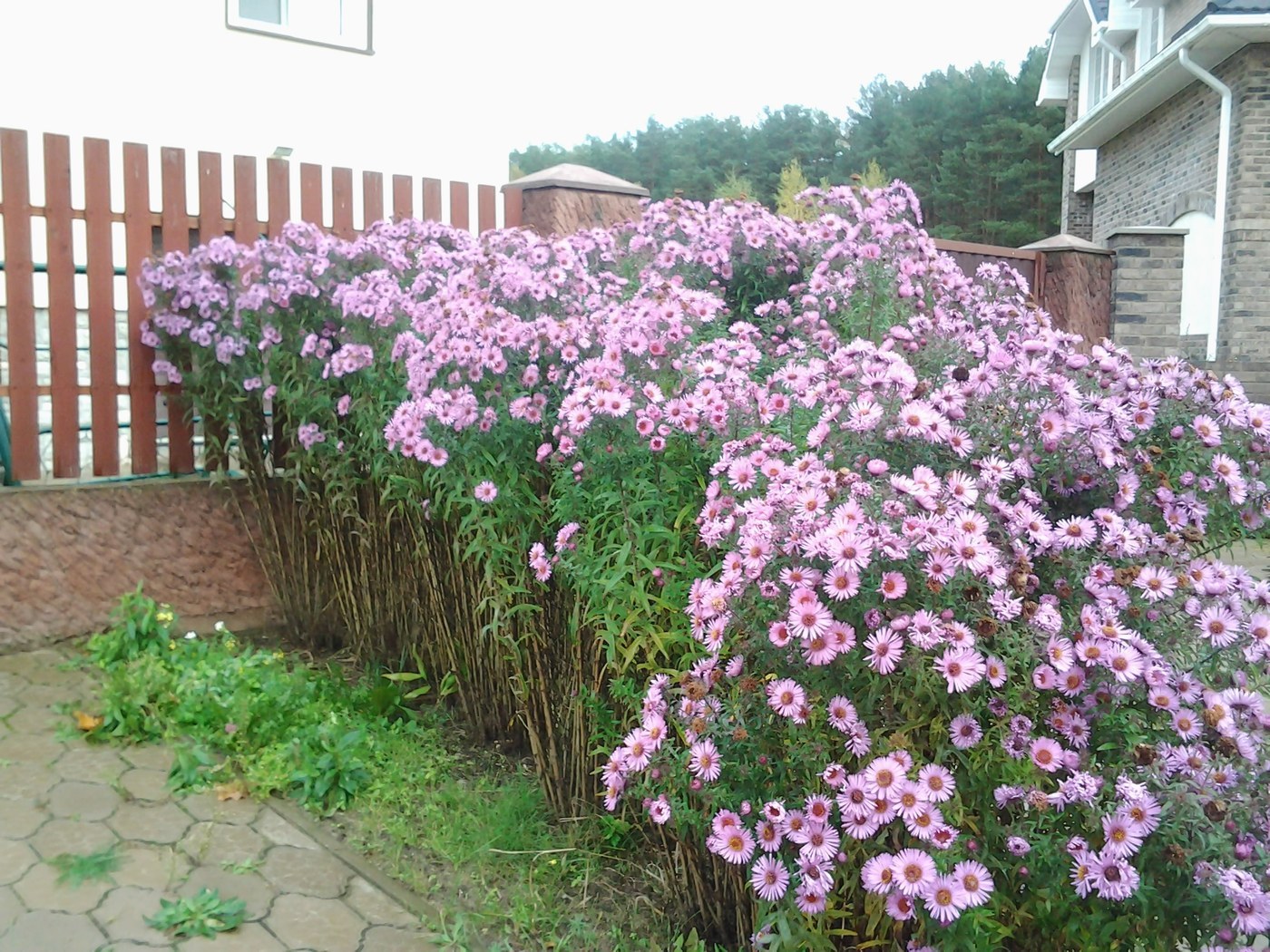
Aster
Symphyotrichum novi-belgii
Asters are daisy-like perennials that burst into clouds of starry purple, pink, blue, or white blooms in late summer and autumn. They are pollinator magnets prized for extending color into the season's end.
- Light
- Full sun
- Water
- Weekly; keep evenly moist
- Difficulty
- Easy
Got a plant like this?
Identify any plant from a photo, free.
Overview
Asters are a large group of mostly perennial daisies in the family Asteraceae, beloved for their late-season flush of color when most other garden plants are fading. Many of the popular garden asters, once grouped in the genus Aster, are now classified in Symphyotrichum (North American species) or Aster proper (Eurasian species).
Their name comes from the Greek word for star, a nod to the radiating ray florets that surround a golden central disk. Blooming from late summer through the first frosts, asters are a cornerstone of cottage gardens, prairie plantings, and pollinator borders.
How to identify it
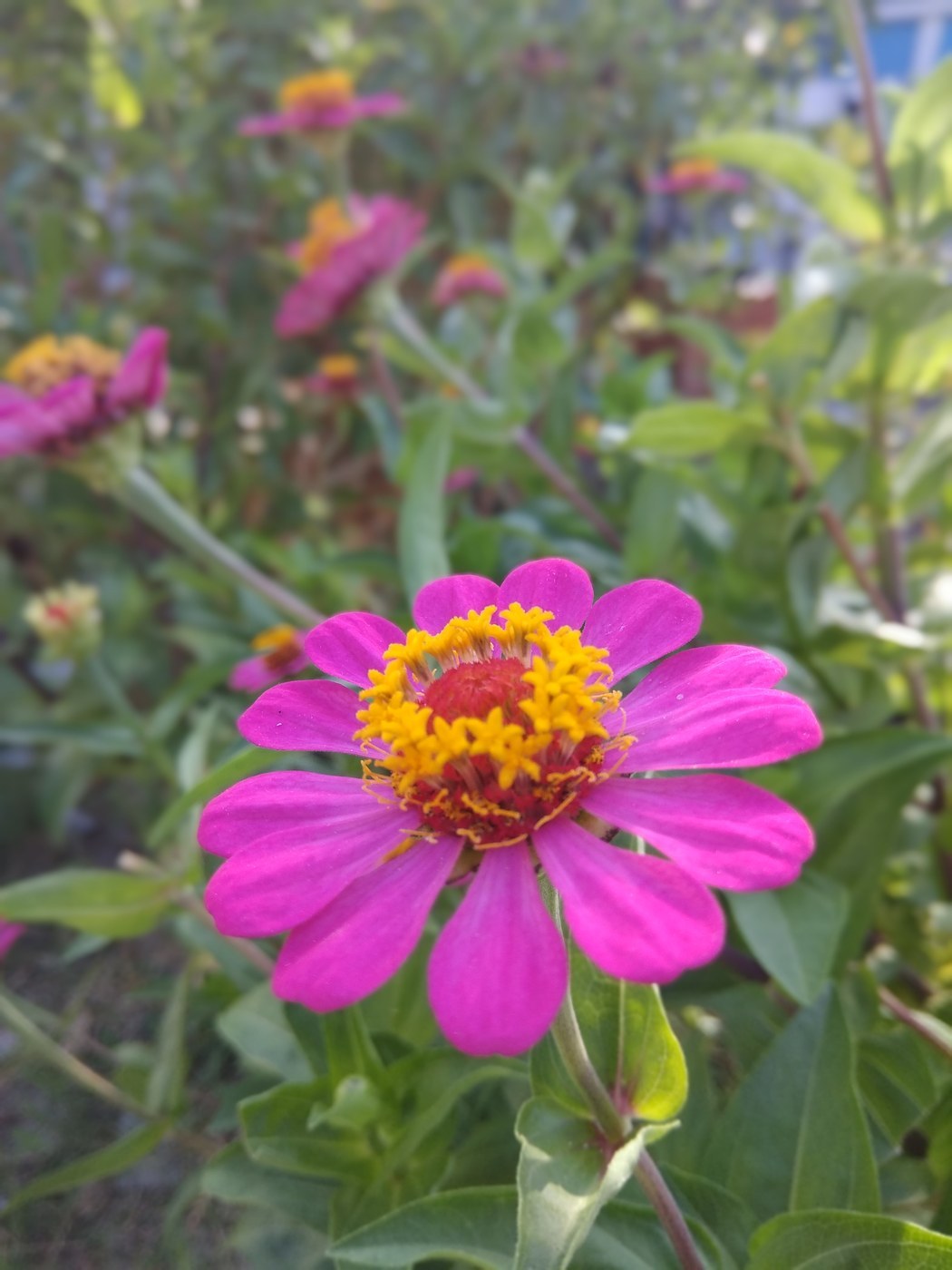
Asters are recognized by their classic composite flower heads with numerous slender ray petals around a yellow center.
- Flowers: Daisy-like heads, often borne in dense sprays; rays in purple, violet, blue, pink, or white with a yellow (sometimes reddening) disk
- Bloom time: Late summer to autumn, a key identifying trait
- Leaves: Narrow, lance-shaped, alternate, often rough-textured
- Habit: Clump-forming, upright stems from 1 to 6 ft depending on species
- Size: Ranges from compact 8-inch cushions to towering New England asters over 5 ft tall
Care & growing
Asters are undemanding given sun and decent drainage.
- Light: Full sun for the best flowering; tolerate light afternoon shade
- Water: Keep soil evenly moist, especially in the first season and during drought; avoid waterlogging
- Soil: Average, well-drained loam; tolerant of most garden soils
- Temperature: Hardy perennials, most thriving in USDA zones 3-8
- Feeding: A light spring feed of balanced fertilizer is plenty; over-feeding causes floppy growth
- Propagation: Divide clumps every 2-3 years in spring; also grown from cuttings or seed
Pinching stems back in early summer encourages bushier, more floriferous plants and reduces staking needs.
Habitat & origin
The genus is widespread across temperate regions of the Northern Hemisphere, with rich diversity in North America and Eurasia. Many garden favorites such as the New England aster (Symphyotrichum novae-angliae) and New York aster (S. novi-belgii) are native to meadows, prairies, woodland edges, and damp roadsides of eastern North America.
They are grown worldwide in temperate gardens and are naturalized in parts of Europe where they were introduced as ornamentals.
Frequently asked questions
Why isn't my aster blooming?
Too much shade or excess nitrogen fertilizer are common causes. Asters need full sun and lean feeding to flower well, and most bloom only in late summer to fall.
Are asters annual or perennial?
Most garden asters are hardy perennials that return each year, though some bedding types sold in fall are treated as annuals.
Should I cut asters back?
Pinch stems back by a third in early summer for bushier plants, then cut spent stems to the ground after flowering or leave them for winter wildlife.
Aster guides
In-depth guides for identifying, growing, and caring for Aster.
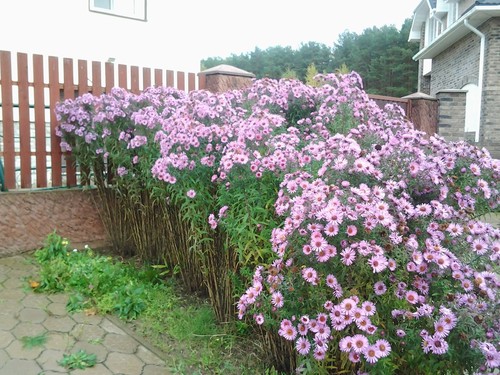
How to Care for Aster
Grow New York asters for masses of daisy-like blooms in late summer and fall. An easy, sun-loving perennial for borders and cutting.
Aster Identification Guide
How to recognize asters by their daisy-like, many-rayed flower heads, late-season bloom, and alternate leaves. Covers field marks that separate true asters from daisies and fleabane.