
Aster Identification Guide
How to recognize asters by their daisy-like, many-rayed flower heads, late-season bloom, and alternate leaves. Covers field marks that separate true asters from daisies and fleabane.
Read the full Aster encyclopedia entry →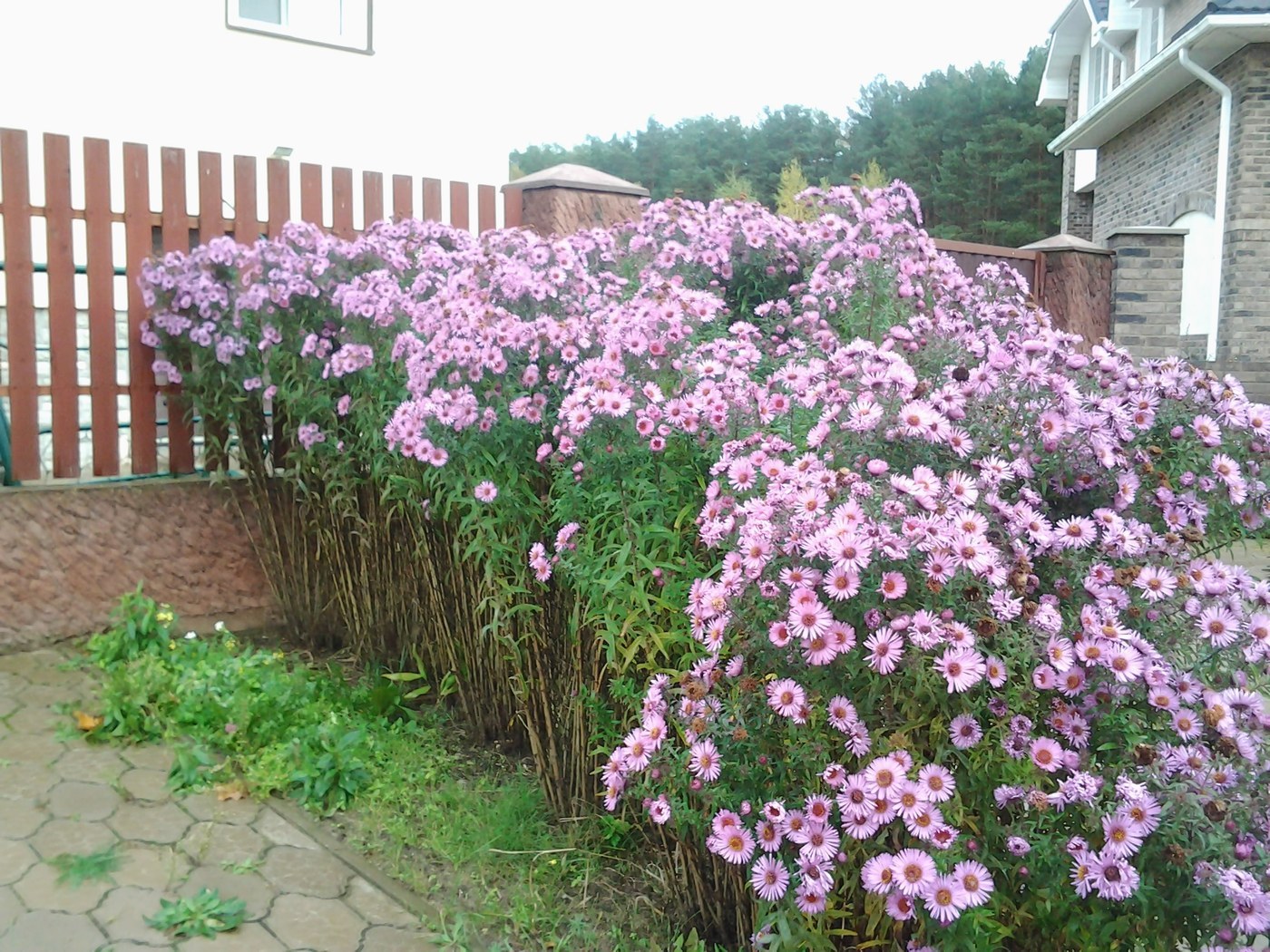
Key Identifying Features
Asters are members of the daisy family (Asteraceae) known for their star-shaped flower heads ('aster' is Greek for star). The classic combination is a flat yellow center disk surrounded by many thin, strap-like ray florets in purple, blue, pink, or white.
- Numerous narrow rays (often 15-100+ per head), much thinner than a typical daisy's
- Yellow disk that frequently ages to reddish or purplish-brown
- Late-summer to fall bloom, when most other wildflowers are finished
- Flower heads usually clustered in branching, open sprays
Leaves & Stems
Leaves are alternate along the stem (not opposite), simple, and usually lance-shaped to oval with smooth or lightly toothed margins. Lower leaves are often larger and may have stalks, while upper leaves clasp or sit directly on the stem. Stems are typically erect, branching toward the top, and can be smooth or finely hairy depending on species. Many native asters grow 1-5 ft tall and form clumps that spread by rhizomes.
Flowers & Fruit
Each 'flower' is actually a composite head. Look at the involucre (the green bracts beneath the head): aster bracts are usually overlapping in several rows and often have green tips. After bloom, heads produce small dry seeds (achenes) topped with a tuft of fine bristly hairs (pappus) that aid wind dispersal, giving spent heads a fuzzy look.
How to Tell It Apart from Look-Alikes
- Daisies (oxeye daisy): have far fewer, broader white rays and bloom earlier (late spring/summer). Asters have many thin rays and bloom in fall.
- Fleabane (Erigeron): very similar but has even more numerous, thread-fine rays and blooms in spring/early summer. Count timing: fall = aster, spring = fleabane.
- Goldenrod: shares the fall season and aster family but has tiny all-yellow heads in plumes, no showy rays.
- Note: many former North American 'Aster' species are now classified as Symphyotrichum, but gardeners and field guides still call them asters.
Where You'll Find It
Asters grow in meadows, prairies, woodland edges, roadsides, and moist or dry open ground across temperate North America, Europe, and Asia. Garden varieties (New England aster, New York aster) are popular fall border plants. They are reliable pollinator magnets, often crowded with bees and migrating butterflies.
Quick ID Checklist
- Daisy-like head with many thin rays and a yellow center
- Rays purple, blue, pink, or white
- Blooms in late summer/fall
- Alternate, simple leaves
- Overlapping green bracts under the head
- Spent heads fuzzy with bristly seed tufts
If you see a star-burst of slender colored rays around a yellow eye in September or October, you are almost certainly looking at an aster.
Frequently asked questions
How do I tell an aster from a daisy?
Asters have many thin, numerous ray florets and bloom in late summer to fall, while oxeye daisies have fewer, broad white rays and bloom in late spring and summer.
Why are some asters now called Symphyotrichum?
Botanists reclassified most North American asters into genera like Symphyotrichum, but the common name 'aster' is still widely used in gardens and field guides.
Are asters good for pollinators?
Yes. Because they bloom in fall when few other flowers remain, asters are a critical late-season nectar source for bees and migrating butterflies.
What color are aster flowers?
Ray florets are commonly purple, blue, pink, or white, surrounding a yellow central disk that often ages to reddish-brown.