
How to Care for Astilbe
Grow lush Astilbe with feathery plumes in shade gardens: keep soil consistently moist, feed in spring, and divide clumps every few years.
Read the full Astilbe encyclopedia entry →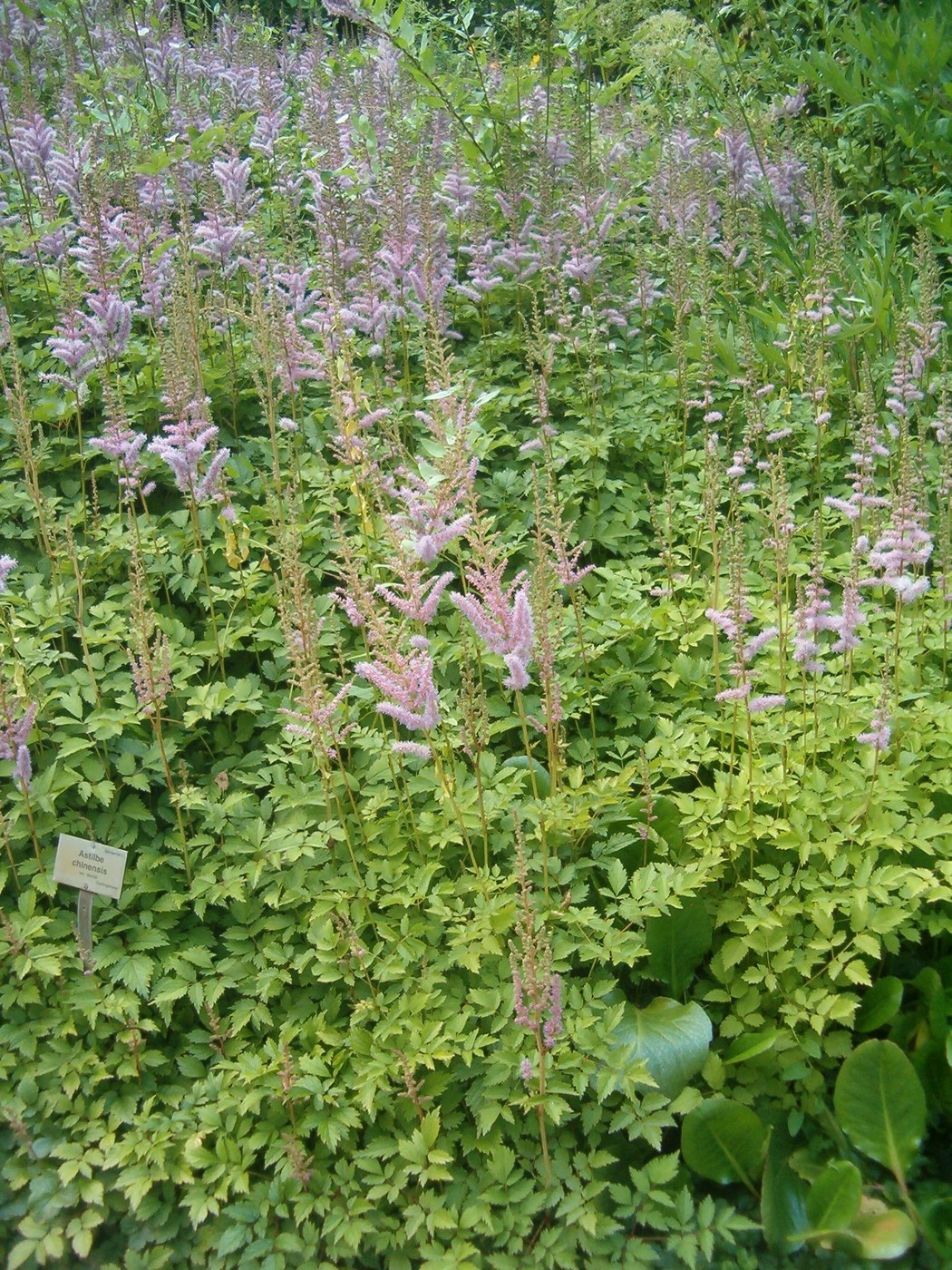
Astilbe (Astilbe chinensis) is a clump-forming perennial prized for its feathery, plume-like flower spikes and finely divided, fern-like foliage. It thrives in the moist, shaded corners of a garden where many other flowering perennials struggle, making it a reliable choice for a moderate-effort woodland or border planting.
Light
Astilbe performs best in partial to full shade. Dappled light beneath deciduous trees or a spot that receives gentle morning sun and afternoon shade produces the fullest plumes and healthiest foliage. In cool climates it can tolerate more sun provided the soil never dries out, but in hot regions strong midday sun scorches the leaf edges and stunts flowering.
Water
Consistent moisture is the single most important factor for success. Keep the soil evenly moist at all times; Astilbe resents drought and will show crispy, browned foliage within days of drying out. Water deeply and regularly, especially through summer heat and during the flowering period. A steady supply of moisture is far more valuable than occasional heavy soakings.
Soil & Potting
Provide rich, humus-heavy soil that retains moisture yet still drains so roots never sit in stagnant water. Work in generous amounts of compost or leaf mold before planting to boost water-holding capacity and fertility. A slightly acidic to neutral pH suits it well. In containers, use a moisture-retentive, organic-rich potting mix and choose a pot large enough to buffer against rapid drying.
Humidity & Temperature
Astilbe is a cool-climate perennial that appreciates moderate humidity and dislikes prolonged heat. It grows vigorously in the mild temperatures of spring and autumn and may struggle where summers are hot and dry. A shaded, sheltered location moderates temperature swings and keeps the plant comfortable.
Feeding
Feed in early spring as new growth emerges using a balanced granular fertilizer or a generous top-dressing of compost. A light second feeding after flowering supports root and foliage development for the following season. Because Astilbe is a hungry plant, incorporating organic matter annually keeps it vigorous.
Propagation
The easiest method is division. Lift established clumps in early spring or autumn, separate the crown into sections each with roots and several growth buds, and replant promptly at the same depth. Divisions establish quickly in moist, enriched soil. Astilbe can also be grown from seed, though germination is slow and named cultivars will not come true.
Repotting / Pruning
Divide clumps every three to four years to prevent the center from becoming woody and sparse; this rejuvenates the plant and multiplies your stock. Faded flower plumes can be left standing for winter structure or trimmed for tidiness. Cut back the old foliage in late autumn or early spring before new growth appears.
Common Problems & Pests
The most common issue is browning, crispy foliage caused by insufficient moisture or too much sun; correct both to restore health. Astilbe is otherwise largely trouble-free, though powdery mildew can appear in stagnant air, and occasional attention to spider mites may be needed in hot, dry conditions. Ensure good airflow and steady watering to avoid most problems.
Seasonal Care Tips
In spring, feed and mulch to lock in moisture as growth resumes. Through summer, prioritize consistent watering during dry spells and provide extra shade if heat intensifies. In autumn, divide crowded clumps and refresh mulch. In winter, a layer of mulch protects the crown in colder zones; the plant dies back and reemerges in spring.
Frequently asked questions
Why is my Astilbe foliage turning brown and crispy?
This almost always signals the soil has dried out or the plant is getting too much sun. Astilbe needs consistently moist soil and shade; increase watering and move or shade the plant to prevent leaf scorch.
How much sun can Astilbe tolerate?
In cool climates it can take morning sun with afternoon shade, but it does best in partial to full shade. In hot regions, strong midday sun will scorch the foliage and reduce flowering.
How often should I divide Astilbe?
Divide clumps every three to four years in early spring or autumn. This keeps the center from going woody and sparse, rejuvenates the plant, and gives you new divisions to spread around the garden.
Why isn't my Astilbe flowering well?
Poor blooming usually stems from dry soil, too much shade combined with poor nutrition, or an overcrowded, aging clump. Keep the soil moist, feed in spring, and divide old clumps to restore vigorous plumes.