Astilbe
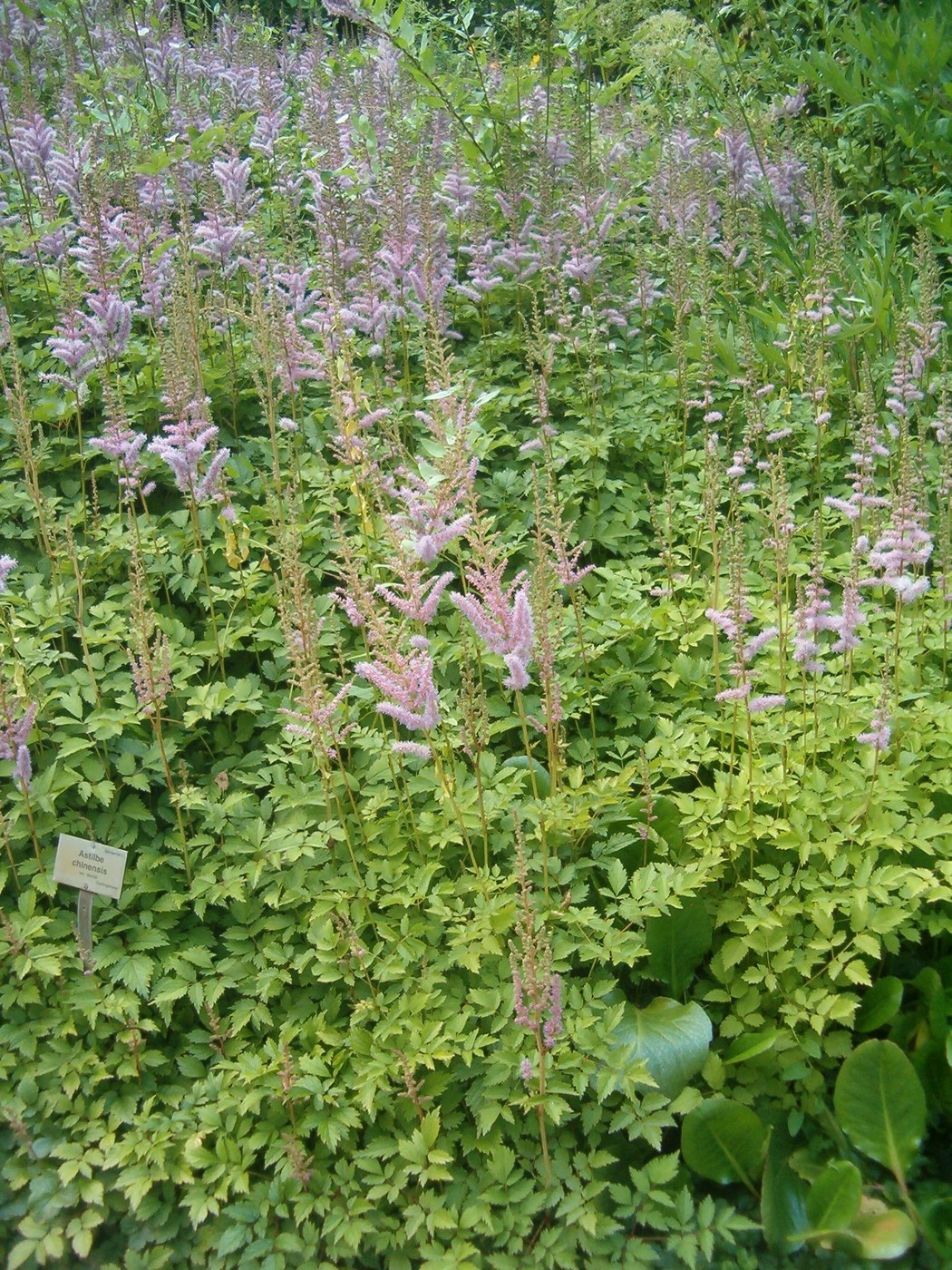
Astilbe chinensis
A shade-loving perennial topped with feathery, plume-like flower panicles in pink, red, lavender, or white above fern-like foliage. Prized for bringing color and softness to moist, dappled gardens.
- Light
- Partial to full shade
- Water
- Keep soil consistently moist
- Difficulty
- Moderate
Got a plant like this?
Identify any plant from a photo, free.
Overview
Astilbe lights up shady, damp corners where many flowering plants struggle, sending up airy, plume-shaped flower clusters that seem to glow against deep green foliage. The blooms appear in early to midsummer and dry attractively on the stem.
The finely divided, fern-like leaves are handsome in their own right and often emerge with bronze or reddish tints. Plants form slowly spreading clumps that thicken over the years.
Astilbe pairs naturally with hostas and ferns and is a mainstay of woodland and waterside plantings, but its one firm demand is steady soil moisture.
How to identify it
- Flowers: Soft, feathery, upright plumes (panicles) of tiny flowers in pink, red, lavender, peach, or white
- Leaves: Fern-like, deeply divided and toothed, often glossy, sometimes bronze-tinted when young
- Habit: Clumping mound 1-4 ft tall depending on variety
- Bloom time: Late spring through summer; dried plumes persist into fall
- Texture: Light, airy foliage and flowers give a delicate appearance
Care & growing
Light: Partial to full shade; tolerates more sun only where soil stays reliably wet.
Water: Consistent moisture is essential. Astilbe wilts and develops crispy leaf edges if it dries out.
Soil: Rich, humusy, moisture-retentive soil; it thrives in damp ground and near water.
Temperature: Hardy in USDA zones 3-8.
Feeding: Feed in spring with compost or a balanced fertilizer; these are moderately hungry plants.
Propagation: Divide clumps every 3-4 years in spring to keep them vigorous and prevent the woody crown from rising out of the soil.
Habitat & origin
Astilbe species are native to the moist woodlands, ravines, and stream banks of Asia and North America. The widely grown garden hybrids descend largely from Chinese and Japanese species.
They are cultivated throughout temperate regions in shade gardens, beside ponds and streams, and in rain gardens where reliable moisture is available.
Frequently asked questions
Why are my astilbe leaves turning brown and crispy?
This is almost always from drying out. Astilbe needs consistently moist soil and will scorch quickly in heat or sun without it.
Can astilbe grow in full sun?
Only if the soil stays wet at all times, such as beside a pond. In typical garden soil, full sun causes burning and poor performance; part shade is ideal.
Why didn't my astilbe bloom?
Common causes are too much sun stress, dried-out soil, or an overcrowded clump that needs dividing. Steady moisture and rich soil promote blooming.
Should I cut back astilbe in fall?
You can leave the dried plumes for winter interest and cut the foliage back in late fall or early spring as new growth appears.
Astilbe guides
In-depth guides for identifying, growing, and caring for Astilbe.
How to Care for Astilbe
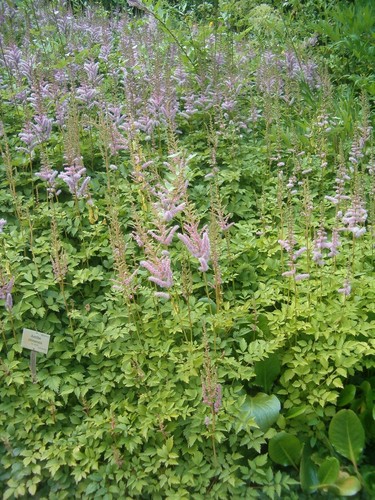
Grow lush Astilbe with feathery plumes in shade gardens: keep soil consistently moist, feed in spring, and divide clumps every few years.
Astilbe Identification Guide
Identify astilbe by its feathery, plume-like flower spikes above ferny, sharply toothed compound foliage in moist, shady gardens.