
Astilbe Identification Guide
Identify astilbe by its feathery, plume-like flower spikes above ferny, sharply toothed compound foliage in moist, shady gardens.
Read the full Astilbe encyclopedia entry →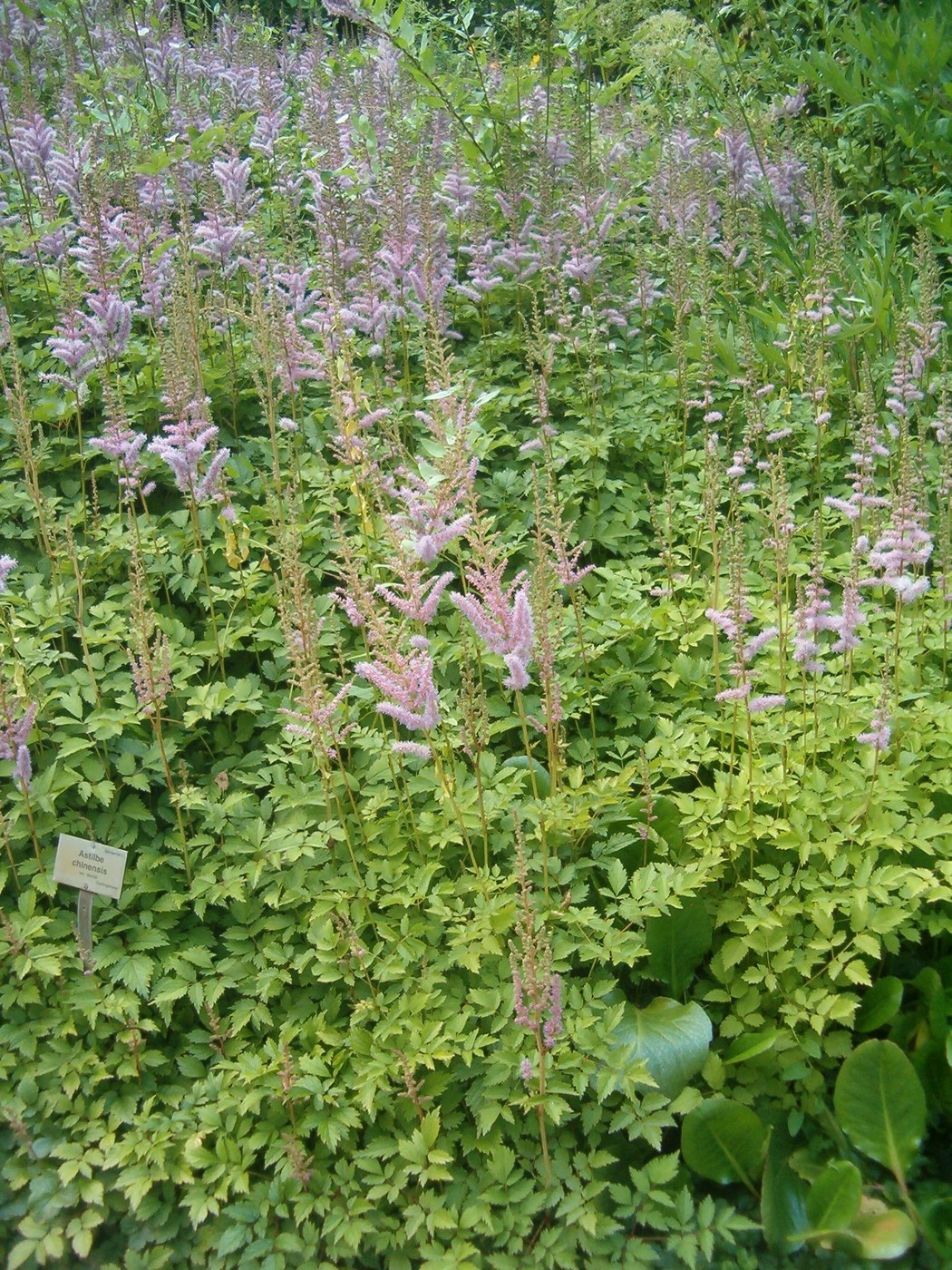
Key Identifying Features
Astilbe (genus Astilbe, also called false spirea or false goat's beard) is recognized by its soft, feathery flower plumes held on stiff stems above a mound of fern-like compound leaves. It is a staple of moist, shady borders.
- Flowers: dense, fluffy panicles (plumes) in pink, red, white, lavender, or peach
- Foliage: ferny, divided, sharply toothed leaflets
- Habit: clumping mound, 1-4 ft tall
- Bloom: late spring through summer
Leaves & Stems
Leaves are compound — usually two or three times divided (bi- to tri-pinnate) — giving a lacy, fern-like appearance. The individual leaflets are ovate with sharply serrated (toothed) edges and often a glossy or bronze-tinged surface, especially on new growth. Foliage is mostly basal on wiry, reddish petioles. The flowering stems are stiff and mostly leafless, rising straight up to hold the plumes.
Flowers & Fruit
The flowers are tiny but massed into branched, plume-shaped panicles that look feathery from a distance. Plumes can be upright and narrow or arching and loose depending on variety. After bloom, the flower heads dry to a tan/rust color and persist, keeping their feathery shape into fall and winter, which is itself an ID aid. Fruits are small dry capsules.
How to Tell It Apart from Look-Alikes
- Goat's beard (Aruncus): very similar creamy plumes but generally larger, shrub-sized, and leaflets are more elongated; flowers tend to be only creamy-white.
- Meadowsweet / true spirea (Spiraea): a woody shrub with fuzzy flower clusters, not a herbaceous clump.
- Foamflower (Tiarella) and Heuchera: wispy flower spikes too, but their leaves are simple and lobed, not divided into many toothed leaflets.
- Ferns: share the lacy foliage but never flower — the plumes settle it instantly.
The defining combo is feathery flower plumes + ferny, sharply toothed compound leaves in a shady, damp spot.
Where You'll Find It
Astilbe loves moist, rich, shady to part-shady ground — woodland gardens, stream and pond edges, and the north side of buildings. It will not tolerate dry soil, so a plumed plant thriving in consistently damp shade is very likely astilbe.
Quick ID Checklist
- Feathery, plume-shaped flower panicles
- Fern-like compound leaves, divided 2-3 times
- Leaflets sharply toothed, sometimes bronze-tinged
- Stiff, mostly leafless flowering stems
- Grows in moist shade
- Dried tan plumes persist into winter
Frequently asked questions
How can I tell astilbe from a fern?
Both have lacy, divided foliage, but astilbe produces tall feathery flower plumes in pink, red, or white, while ferns never flower. The toothed leaflet edges also distinguish astilbe.
What's the difference between astilbe and goat's beard?
They look alike, but goat's beard (Aruncus) is usually much larger, almost shrubby, with creamy-white plumes only. Astilbe stays a tidy clump and comes in many colors.
Why does my astilbe look crispy and dry in summer?
Astilbe needs consistently moist soil. In dry conditions the foliage scorches and the plumes brown early. The dried tan plumes are normal at season's end, but mid-season crisping signals drought stress.
Can I identify astilbe by its leaves alone?
Yes, fairly well. Look for compound leaves divided two or three times into ovate, sharply toothed leaflets, often with a glossy or bronze cast, forming a ferny mound in moist shade.