
How to Care for Astragalus
Grow Astragalus membranaceus, a hardy legume perennial, in full sun and lean, well-drained soil for feathery foliage.
Read the full Astragalus encyclopedia entry →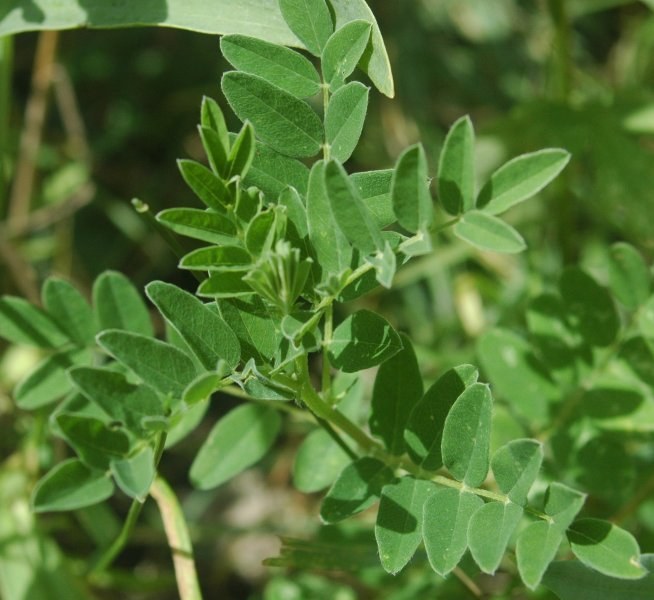
Astragalus (Astragalus membranaceus) is a hardy, clump-forming perennial in the legume family, grown ornamentally for its soft, feathery pinnate foliage and its clusters of small pale-yellow pea-type flowers. As a deep-rooted, drought-tolerant plant it suits sunny borders, gravel gardens, and naturalized plantings. This guide covers ornamental growing only.
Light
Astragalus is a sun-lover and performs best in full sun, ideally six or more hours of direct light per day. Ample sun keeps the upright stems sturdy, encourages flowering, and prevents the loose, floppy growth that develops in shade. In very hot climates it tolerates light afternoon shade, but in most gardens an open, unshaded position is best.
Water
Water low to moderately; this is a drought-tolerant plant once established. During the first season, water regularly to help the deep taproot develop. After that, let the soil dry between waterings and irrigate only during extended dry spells. The plant strongly dislikes soggy soil, which quickly rots its taproot, so err on the dry side. Established plants often need no supplemental water except in prolonged drought.
Soil & Potting
Provide lean, well-drained soil. Sandy or gravelly, even somewhat poor soils are ideal; heavy clay that holds water is the main hazard. Good drainage is essential to protect the long taproot. A neutral to slightly alkaline pH is well tolerated. Because it forms a deep taproot, Astragalus resents transplanting and is best sown or planted where it will stay; if using containers, choose a tall, deep pot with excellent drainage.
Humidity & Temperature
A plant of continental, temperate climates, Astragalus is cold-hardy and dies back to the ground in winter, returning from the rootstock in spring. It prefers moderate to warm summers with relatively dry air and dislikes humid, stagnant conditions. No supplemental humidity is needed; good air movement helps prevent foliar fungal problems.
Feeding
As a legume, Astragalus fixes its own nitrogen and needs very little feeding. Avoid rich, high-nitrogen fertilizers, which produce weak, leafy growth at the expense of flowering and sturdiness. If your soil is very poor, a light dressing of compost or a low-nitrogen, balanced feed in spring is more than enough.
Propagation
Astragalus is usually grown from seed. The hard seed coat benefits from scarification (lightly nicking or abrading the seed) and sometimes a period of cold, moist stratification to improve germination. Sow in place or in deep pots to avoid disturbing the taproot, and transplant seedlings while very young. As a nitrogen-fixing legume, seedlings can benefit from an appropriate rhizobial inoculant. Division is difficult and often unsuccessful because of the taproot.
Repotting / Pruning
Because the taproot resents disturbance, minimize transplanting and repotting; move plants only when young. Deadhead spent flowers to tidy the plant and, if desired, to reduce self-seeding. Cut back the dried stems to the ground in late fall or early spring as the plant goes dormant. In containers, top-dress rather than fully repot when possible.
Common Problems & Pests
Root rot from wet, heavy soil is the primary concern; sharp drainage is the best prevention. In humid conditions, powdery mildew or leaf spots may appear on the foliage. Aphids can gather on new growth and flower buds, and as a legume it may host occasional caterpillars or weevils; a strong water spray or insecticidal soap usually manages minor infestations. Overall it is relatively pest-resistant when grown in the lean, sunny conditions it prefers.
Seasonal Care Tips
Start seeds in spring after scarification, or sow in fall for natural stratification in cold climates. Through the growing season keep sun ample and water sparing. Enjoy the summer flowering, then let seed heads mature if you want to collect seed. In late fall, cut back dormant stems; in the coldest zones a light mulch protects the crown, though established plants are reliably hardy and reappear from the taproot each spring.
Frequently asked questions
Why is my Astragalus flopping over?
Floppy, weak stems usually mean too little sun or too much nitrogen. Grow it in full sun in lean soil and avoid rich fertilizers, which produce soft growth. Sturdy upright stems develop in bright, unshaded, spare conditions.
Can I transplant an established Astragalus?
It is difficult. Astragalus forms a deep taproot that resents disturbance, so moving mature plants often fails. Sow or plant it where it will stay, and transplant only very young seedlings before the taproot develops.
How do I improve germination of Astragalus seed?
The hard seed coat germinates poorly untreated. Scarify the seed by nicking or lightly abrading it, and give cold, moist stratification for spring sowing. Sowing in deep pots or directly in place avoids taproot disturbance.
Does Astragalus need fertilizer?
Very little. As a nitrogen-fixing legume it supplies much of its own nitrogen. Skip high-nitrogen feeds and use at most a light spring dressing of compost in poor soils to avoid weak, overly leafy growth.