Astragalus
Astragalus membranaceus
A hardy perennial legume native to northern China and nearby regions, grown for its long, fibrous taproot. It is drought-tolerant and thrives in well-drained soils.
- Light
- Full sun
- Water
- Low to moderate; drought-tolerant
- Difficulty
- Moderate
Got a plant like this?
Identify any plant from a photo, free.
Overview
Astragalus is a large genus of legumes; the species A. membranaceus (huang qi) is an upright perennial grown for its long, fibrous taproot rather than its modest flowers.
The roots are typically lifted after several years and dried into the familiar yellow, tongue-depressor-shaped slices.
How to identify it
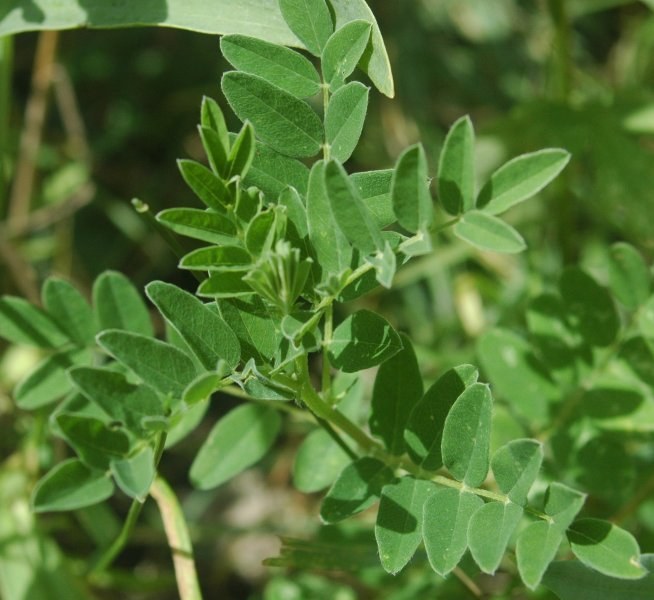
- Pinnate compound leaves with numerous small oval leaflets, typical of the pea family
- Sprawling to upright hairy stems reaching about 40-80 cm (16-32 in)
- Pale yellow pea-like flowers in loose clusters
- Small inflated seed pods
- Long, woody, fibrous yellow taproot
Care & growing
Astragalus is fairly easy in the right conditions but slow to mature.
- Light: Full sun
- Water: Low to moderate; tolerates drought and dislikes wet feet
- Soil: Deep, sandy, well-drained soil so the taproot can develop
- Temperature: Cold-hardy perennial suited to temperate climates
- Feeding: Minimal; fixes nitrogen as a legume
- Propagation: From seed (scarify for better germination)
Habitat & origin
Native to northern and northeastern China, Mongolia, and parts of Korea and Siberia, Astragalus membranaceus grows on grassy slopes, sandy soils, and woodland margins.
It is now cultivated in China and elsewhere, favoring sunny, well-drained sites that suit its deep root system.
Frequently asked questions
What does Astragalus membranaceus look like?
It is a hairy-stemmed perennial 40-80 cm tall with pinnate leaves of many small oval leaflets, pale yellow pea-like flowers, small inflated seed pods, and a long, woody, yellow taproot.
Where is Astragalus native to?
It grows wild on grassy slopes, sandy soils and woodland margins of northern and northeastern China, Mongolia, and parts of Korea and Siberia.
How do you grow Astragalus?
Give it full sun and deep, sandy, well-drained soil so its long taproot can develop; it is cold-hardy, drought-tolerant and dislikes wet soil.
Is Astragalus easy to grow?
It is fairly easy in a sunny, well-drained spot but slow to mature, developing its deep taproot over several years.
Astragalus guides
In-depth guides for identifying, growing, and caring for Astragalus.
How to Care for Astragalus
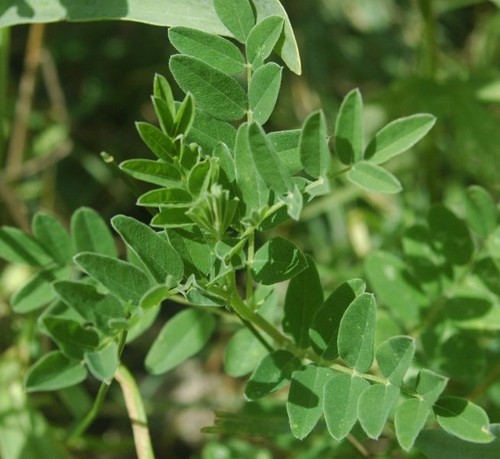
Grow Astragalus membranaceus, a hardy legume perennial, in full sun and lean, well-drained soil for feathery foliage.
Astragalus Identification Guide
How to identify astragalus (Astragalus membranaceus and relatives) by its pinnate leaves, pale yellow pea flowers, inflated pods, and trailing growth.