Yarrow
Achillea millefolium
Yarrow is a tough, drought-tolerant perennial with feathery foliage and flat-topped clusters of tiny flowers. It is a popular low-maintenance plant for pollinator and meadow gardens.
- Light
- Full sun
- Water
- Low; drought tolerant once established
- Difficulty
- Easy
Got a plant like this?
Identify any plant from a photo, free.
Overview
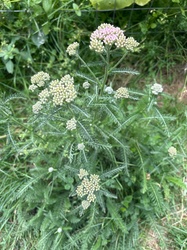
Yarrow (Achillea millefolium) is a hardy, aromatic perennial in the daisy family, named for the Greek hero Achilles of legend. Its ferny foliage and broad, flat flower heads make it a workhorse of sunny, low-water gardens.
The wild form is white, but cultivars come in yellow, gold, red, pink, terracotta and salmon. It spreads by rhizomes and self-seeding, forming drifts that bloom from early summer into fall.
How to identify it
Finely divided leaves and flat flower clusters are the giveaways.
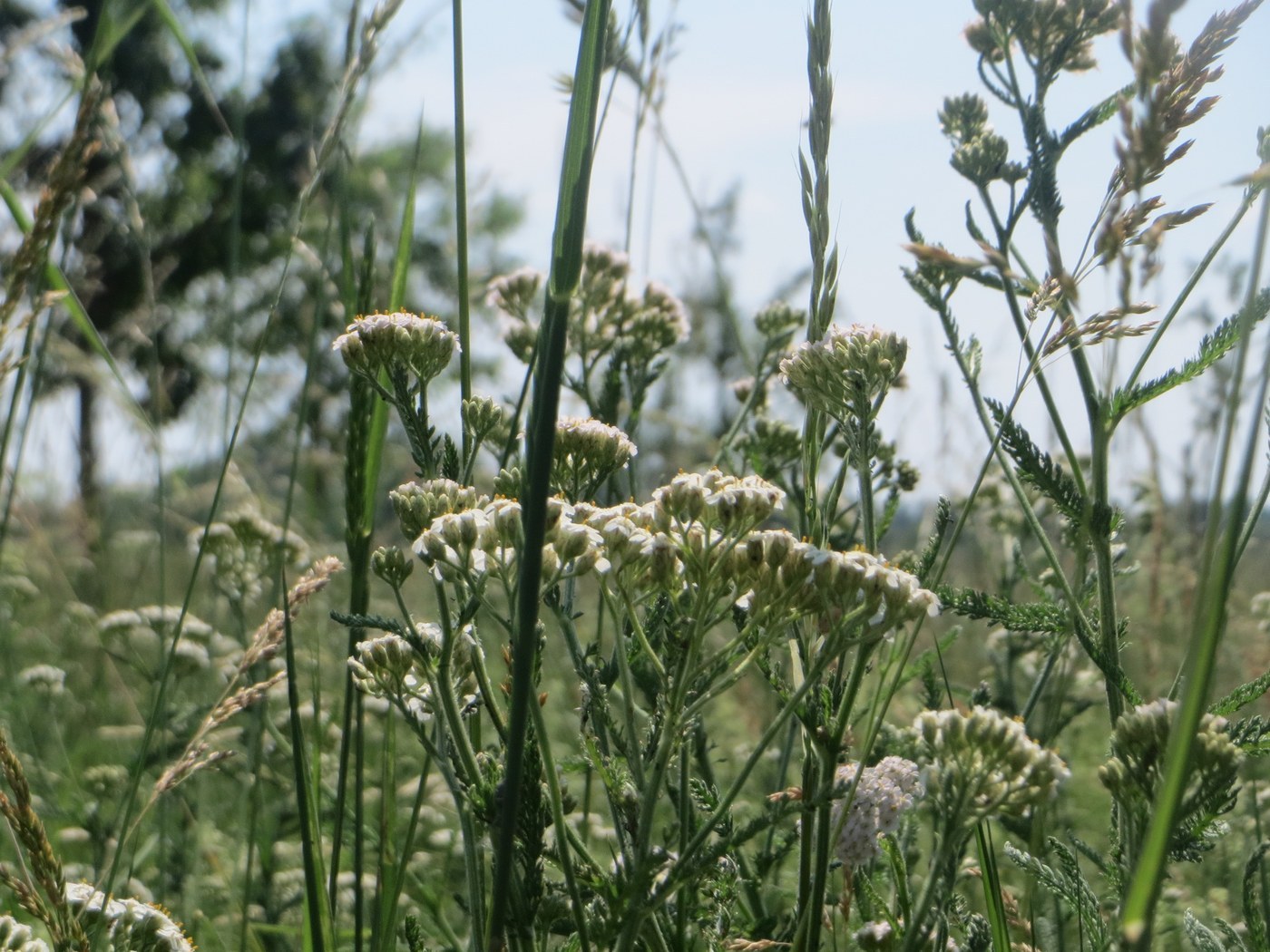
- Flowers: tiny daisy-like florets packed into dense, flat-topped clusters (corymbs); white in the wild, many colors in cultivars
- Leaves: soft, fern-like, finely divided ('millefolium' means thousand-leaf), aromatic when crushed
- Habit: upright stems 1-3 ft tall spreading into colonies
- Scent: pungent, slightly sharp herbal aroma from foliage
Care & growing
Yarrow thrives on neglect and lean soil.
- Light: full sun for sturdy, upright growth
- Water: low; drought tolerant once established, dislikes wet feet
- Soil: average to poor, well-drained soil; rich soil causes floppy stems
- Temperature: very hardy, zones 3-9
- Feeding: none needed; avoid fertilizer
- Maintenance: deadhead for rebloom; divide every few years to control spread and reinvigorate
- Propagation: division, cuttings or seed
Habitat & origin
Achillea millefolium is native across temperate regions of the Northern Hemisphere, including Europe, Asia and North America, growing in meadows, grasslands, roadsides and disturbed ground.
Highly adaptable, it has naturalized widely and is grown in pollinator gardens, prairie and meadow plantings, and xeriscapes around the world.
Frequently asked questions
Is yarrow invasive?
It spreads vigorously by rhizomes and seed and can colonize a bed. Divide it regularly and deadhead to keep it in bounds.
Why is my yarrow flopping over?
Usually too-rich soil or too much shade. Grow it in lean soil and full sun, and it stays much sturdier.
Does yarrow attract pollinators?
Yes, exceptionally well. The flat clusters are a landing pad for bees, butterflies and beneficial insects.
Yarrow guides
In-depth guides for identifying, growing, and caring for Yarrow.
How to Care for Yarrow
Yarrow is a tough, sun-loving perennial with fern-like foliage and flat flower clusters that thrives on neglect in dry, poor soil.
Yarrow Identification Guide
Identify yarrow by its flat-topped clusters of tiny flowers and feathery, finely divided fern-like leaves with an aromatic scent.
Yarrow identified by the community
Real specimens identified with Plant Identifier.