How to Care for Yarrow
Yarrow is a tough, sun-loving perennial with fern-like foliage and flat flower clusters that thrives on neglect in dry, poor soil.
Read the full Yarrow encyclopedia entry →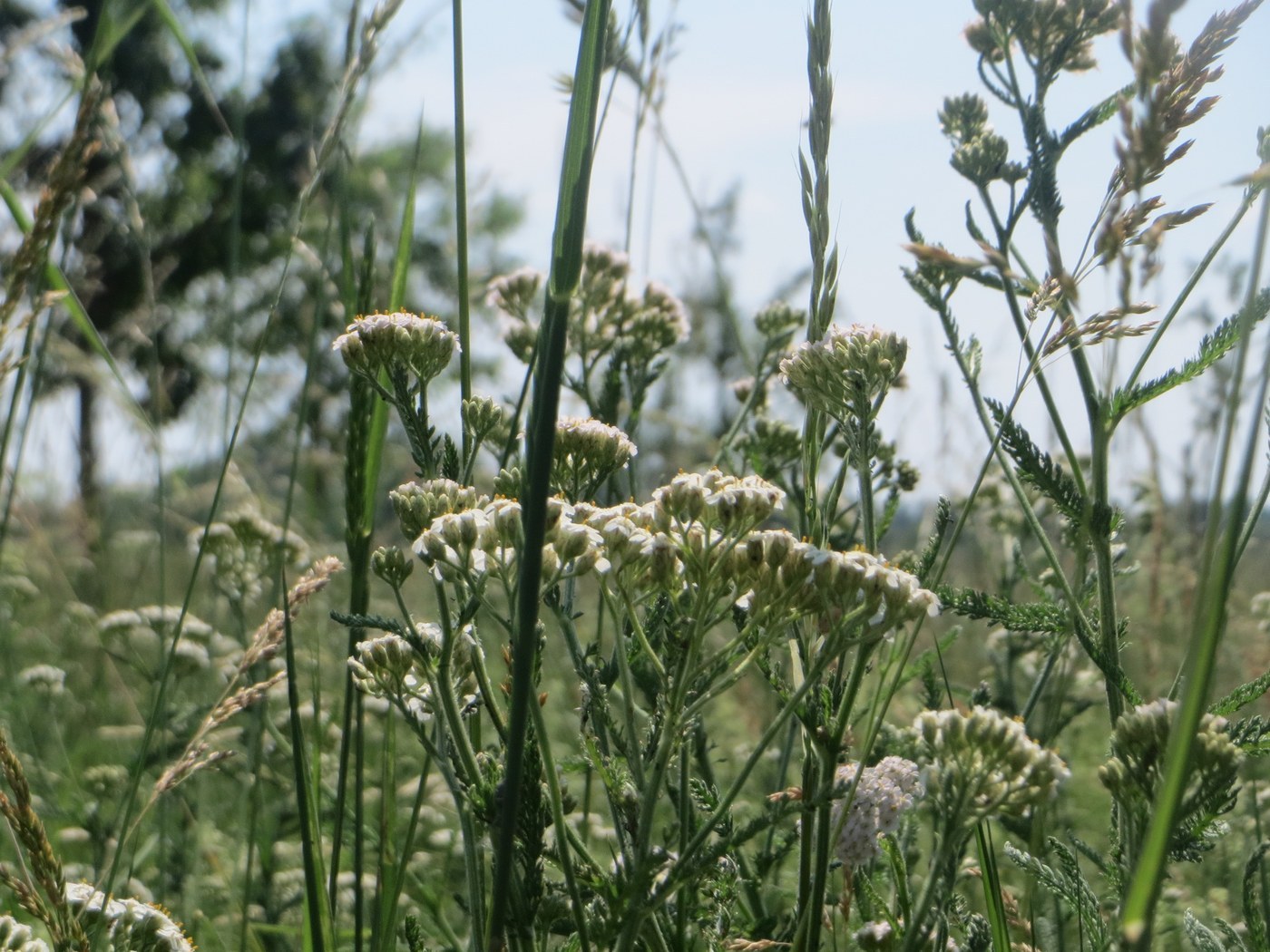
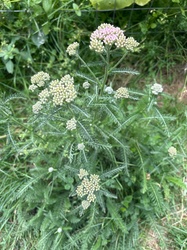
Yarrow (Achillea millefolium) is a hardy, drought-tolerant perennial with soft, feathery foliage and flat-topped clusters of tiny flowers held on wiry stems. It is a mainstay of sunny borders, pollinator gardens, and low-water plantings, asking for little more than sun and sharp drainage.
Light
Grow yarrow in full sun, at least six hours daily, for sturdy, upright stems and the heaviest bloom. In too much shade the plant flops, stretches, and flowers poorly, and it becomes more prone to disease. The more sun it gets, the more self-supporting and floriferous it stays.
Water
Yarrow is highly drought tolerant once established. Water young plants regularly through their first season to build roots, then scale back sharply; established clumps rarely need supplemental water except in prolonged drought. It strongly prefers dry conditions and resents wet feet, so let the soil dry between any waterings. Overwatering causes floppy, lax growth and encourages rot.
Soil & Potting
Average to lean, well-drained soil is ideal, and yarrow actually performs best in poor soil. Rich, fertile ground produces soft, weak stems that flop. It tolerates sandy and rocky soils and a wide pH range. The single most important requirement is good drainage.
Humidity & Temperature
Yarrow is very cold hardy and thrives across a broad range of climates. It prefers warm, dry air and good airflow; humid, still conditions can invite powdery mildew. It handles heat well and is a strong choice for hot, exposed sites.
Feeding
Do not fertilize. Yarrow prefers lean conditions, and feeding promotes floppy, weak growth at the expense of flowers. Skip amendments entirely in most soils.
Propagation
Divide established clumps every 2-3 years in spring or fall to keep them vigorous, replanting the healthy outer sections. It also grows readily from seed sown in spring, and basal cuttings root easily. Division is the most reliable way to keep named color forms true.
Repotting / Pruning
Deadhead spent flower clusters to encourage a second flush of bloom and keep the plant tidy. Cut the whole plant back after flowering to refresh the foliage. In late fall or early spring, cut old stems to the ground. Yarrow spreads by rhizomes and can be vigorous, so lift and divide to control its spread.
Common Problems & Pests
Yarrow is largely trouble-free. The main issues stem from too much water or shade: powdery mildew, rust, and stem rot in damp, crowded conditions, and floppy stems in rich soil or low light. Improve airflow, cut back on water, and stake or divide crowded clumps. Pests are rare, though aphids may appear on tender new growth.
Seasonal Care Tips
Plant in spring or fall. Water new plantings through the first summer, then let them fend for themselves. Deadhead and shear back after the main bloom for a repeat show. Cut the plant down in late fall or leave the seed heads for winter interest, then divide overgrown clumps in early spring.
Frequently asked questions
Does yarrow need a lot of water?
No. Once established it is very drought tolerant and thrives on minimal watering. Water new plants through their first season, then only during extended drought. Overwatering makes the stems flop and can cause rot.
Why is my yarrow flopping over?
Floppy yarrow is usually caused by too much shade or overly rich, moist soil. Grow it in full sun and lean, well-drained ground, skip fertilizer, and divide crowded clumps. These conditions produce strong, self-supporting stems.
Should I fertilize yarrow?
Generally no. Yarrow performs best in poor to average soil. Fertilizing encourages weak, leggy growth and fewer flowers. Only very poor soils might warrant a light amendment.
How do I keep yarrow blooming longer?
Deadhead spent flower clusters promptly, and shear the plant back after the first main flush. This encourages a second round of blooms and keeps the plant looking tidy through the season.
Yarrow identified by the community
Recent Yarrow specimens identified with Plant Identifier.