Tomato
Solanum lycopersicum
The tomato is one of the world's most popular garden plants, a warm-season fruiting member of the nightshade family grown on sprawling or vining stems. It comes in countless cultivars from tiny cherries to giant beefsteaks.
- Light
- Full sun, 6-8+ hours
- Water
- Deep, regular watering
- Difficulty
- Easy
Got a plant like this?
Identify any plant from a photo, free.
Overview
Solanum lycopersicum is a tender, warm-season fruiting member of the nightshade family, grown worldwide in gardens. Botanically its fruit is a berry.
Plants are either determinate (bushy, fruiting in a concentrated flush) or indeterminate (vining, fruiting continuously until frost), a key distinction for gardeners choosing what to grow.
Native to western South America and domesticated in Mesoamerica, the tomato is now grown around the globe and is a favorite of home gardeners.
How to identify it
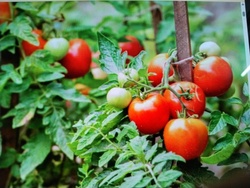
- Sprawling or climbing annual with weak, sometimes hairy stems and a distinctive pungent scent
- Pinnately compound leaves with toothed, irregularly lobed leaflets
- Clusters of small yellow, five-pointed star-shaped flowers
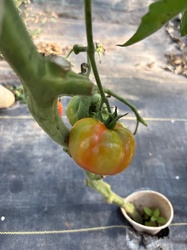
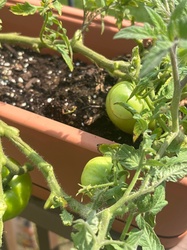
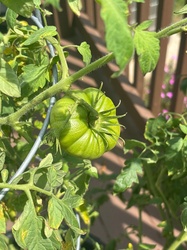
- Fruit a fleshy berry, ripening red, yellow, orange, purple, or green by variety
- Sizes range from pea-sized currant types to 1-2 lb beefsteaks
Care & growing
Light: Full sun, at least 6-8 hours daily.
Water: Deep, consistent watering; uneven moisture causes cracking and blossom-end rot. Water at the base to reduce disease.
Soil: Rich, well-draining soil high in organic matter; slightly acidic to neutral pH.
Temperature: Warm-season; plant after the last frost. Sets fruit best between roughly 55-85 F.
Feeding: Feed with a balanced or slightly higher-potassium fertilizer; avoid excess nitrogen, which yields leaves over fruit.
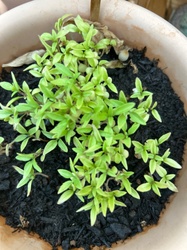
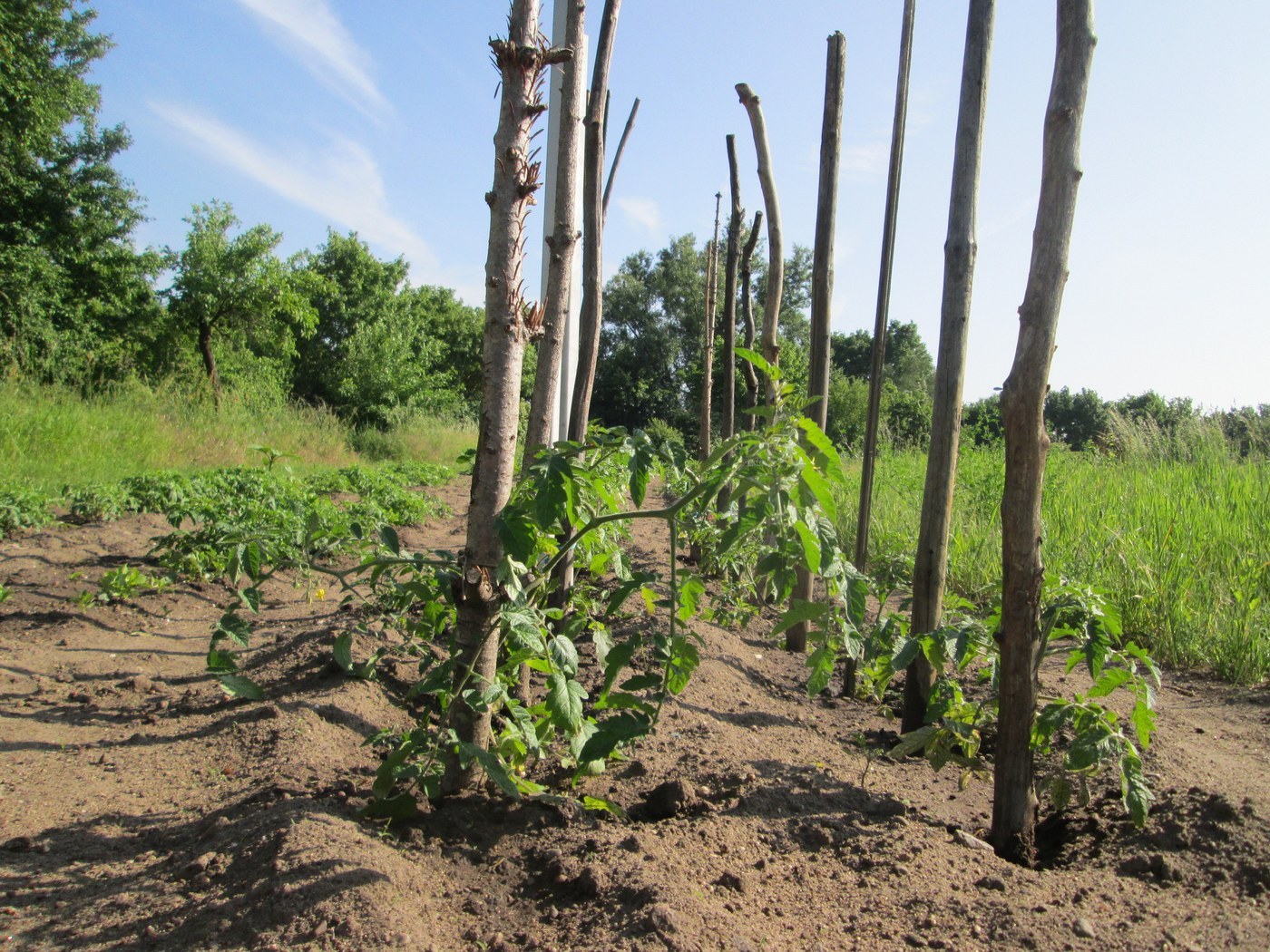
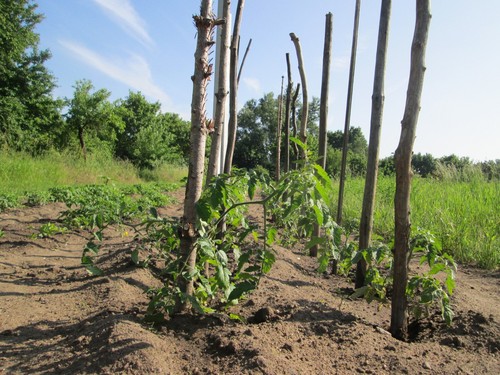
Support & propagation: Stake or cage indeterminate types; grow from seed, and remove suckers to manage vines.
Habitat & origin
The wild ancestor of the tomato originates in the Andean regions of western South America (Peru, Ecuador, Chile). Domestication is thought to have occurred in Mexico, and Spanish explorers carried it to Europe in the 16th century.
Today it is cultivated globally in gardens, fields, and greenhouses across temperate and tropical zones, and is among the most widely grown crops in the world.
Frequently asked questions
Is a tomato botanically a fruit?
Yes. Botanically the tomato is a fruit, specifically a berry, although in everyday usage it is commonly grouped with garden vegetables.
What is the difference between determinate and indeterminate?
Determinate types are bushy and set most of their fruit at once; indeterminate types vine and fruit continuously until frost.
What causes blossom-end rot?
A calcium imbalance, usually from inconsistent watering. Keep soil evenly moist and mulch to stabilize moisture.
How do I support tomato plants?
Stake or cage indeterminate types to keep the vining stems off the ground, and remove suckers to manage growth.
Tomato guides
In-depth guides for identifying, growing, and caring for Tomato.
How to Care for Tomato
Grow productive tomato plants: give them full sun, deep watering, and steady feeding for vigorous vines all season long.
Tomato Identification Guide
Identify the tomato plant (Solanum lycopersicum) by its pungent, hairy compound leaves, yellow star-shaped flowers, and familiar red fruit. Covers leaf form, smell, and look-alikes.
Tomato identified by the community
Real specimens identified with Plant Identifier.