How to Care for Tomato
Grow productive tomato plants: give them full sun, deep watering, and steady feeding for vigorous vines all season long.
Read the full Tomato encyclopedia entry →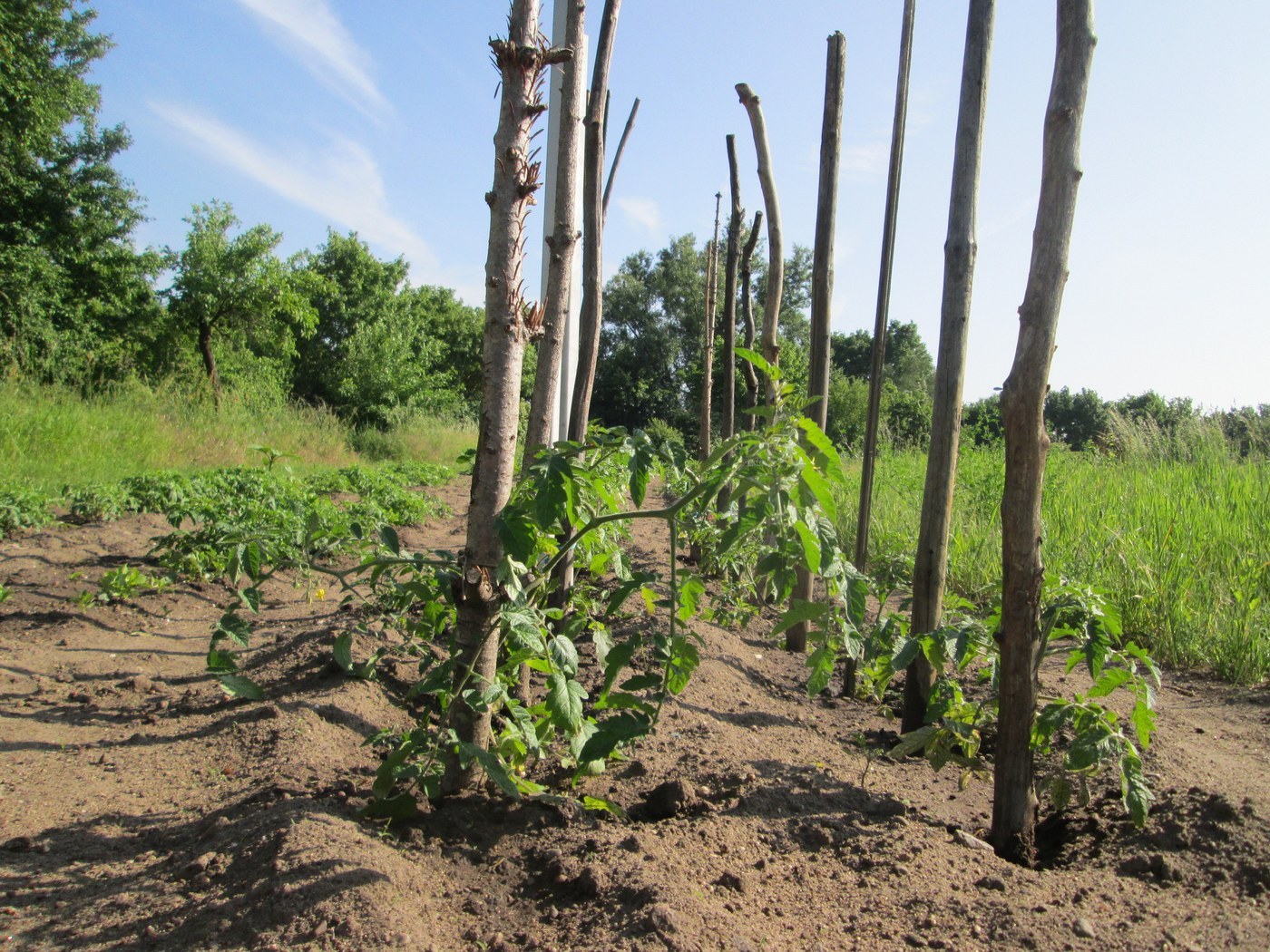
Tomatoes (Solanum lycopersicum) are among the most rewarding and popular plants to grow, producing abundant fruit on sprawling or upright vines. They are easy to grow given plenty of sun, warmth, and consistent moisture, making them a favorite for beds, borders, and containers alike.
Light
Tomatoes demand full sun, ideally 6-8 or more hours of direct light daily. The more sun they receive, the stronger the growth and the heavier the yield. Choose the sunniest spot available; in low light, plants grow spindly, flower poorly, and become far more prone to disease.
Water
Water deeply and regularly to keep the soil consistently moist but not waterlogged. Irregular watering, alternating between bone-dry and soaked, causes fruit cracking and blossom end rot. Aim to water at the base of the plant rather than overhead to keep foliage dry, and water in the morning. During hot spells, container-grown tomatoes may need watering daily.
Soil & Potting
Plant in rich, well-draining soil high in organic matter with a slightly acidic to neutral pH. Work compost into beds before planting. For containers, use a large pot (at least 5 gallons) with drainage holes and a quality potting mix. Plant deeply, burying part of the stem, since tomatoes root readily along buried stems and develop a stronger root system.
Humidity & Temperature
Tomatoes are warm-season plants that thrive between 65-85 F (18-29 C). They are frost-tender, so wait until all danger of frost has passed and the soil has warmed before planting out. Very high temperatures above 90 F can cause flowers to drop, while cool nights below 55 F slow growth and fruit set.
Feeding
Feed regularly to support heavy fruiting. Start with a balanced fertilizer at planting, then switch to a formula higher in phosphorus and potassium once flowering begins to promote fruit rather than excess foliage. Feed container tomatoes every one to two weeks, as frequent watering leaches nutrients quickly.
Propagation
Tomatoes are usually grown from seed started indoors 6-8 weeks before the last expected frost, then hardened off and transplanted. They also propagate easily from cuttings and even from suckers pinched off the main plant, which root quickly in water or moist soil.
Repotting / Pruning
Stake or cage plants early to support the heavy growth. For indeterminate varieties, pinch out suckers that form in the joints between the main stem and branches to focus energy on fruit and improve airflow. Determinate (bush) types need little pruning. Remove lower leaves that touch the soil to reduce disease.
Common Problems & Pests
Blossom end rot (dark sunken spots on fruit bottoms) stems from inconsistent watering and calcium uptake issues; steady moisture is the fix. Cracking follows irregular watering. Watch for hornworms, aphids, whitefly, and flea beetles, and for fungal diseases like early blight and leaf spot, which are reduced by good spacing, airflow, and dry foliage. Rotate planting locations each year.
Seasonal Care Tips
Start seeds indoors in late winter to early spring and transplant after frost. Through summer, keep up deep watering, feeding, and pruning while providing sturdy support. As the season winds down in fall, pinch off new flowers so the plant can ripen existing fruit, and harvest before the first frost.
Frequently asked questions
Why are the bottoms of my tomatoes turning black?
That is blossom end rot, caused by inconsistent watering that disrupts calcium uptake. Keep soil evenly moist, mulch to retain moisture, and avoid letting plants swing between very dry and very wet.
Should I remove tomato suckers?
For indeterminate (vining) varieties, pinching out suckers improves airflow and channels energy into fruit. Determinate bush types need little to no pruning, so leave them mostly alone.
Why are my tomato flowers falling off without fruit?
Flower drop usually results from temperature extremes (above 90 F or below 55 F at night), insufficient pollination, or too much nitrogen. Provide steady warmth, avoid over-fertilizing with nitrogen, and gently shake flowering plants to aid pollination.
How much sun do tomatoes need?
Tomatoes need full sun, at least 6-8 hours of direct light per day. More sun means stronger plants and higher yields, so pick the brightest spot you have.
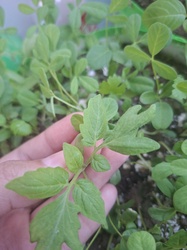
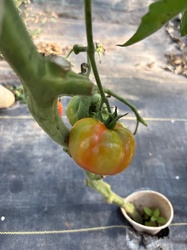
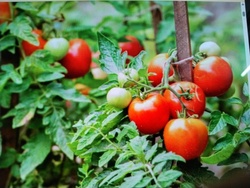
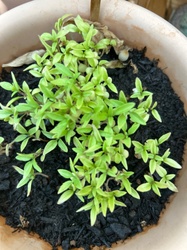
Tomato identified by the community
Recent Tomato specimens identified with Plant Identifier.