Tarragon
Artemisia dracunculus
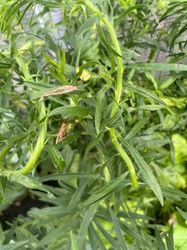
Tarragon is an aromatic culinary herb grown in gardens for its slender, glossy, anise-scented foliage. The 'French' type rarely sets viable seed and is propagated by division or cuttings.
- Light
- Full sun
- Water
- Moderate; let soil dry between waterings
- Difficulty
- Moderate
Got a plant like this?
Identify any plant from a photo, free.
Overview
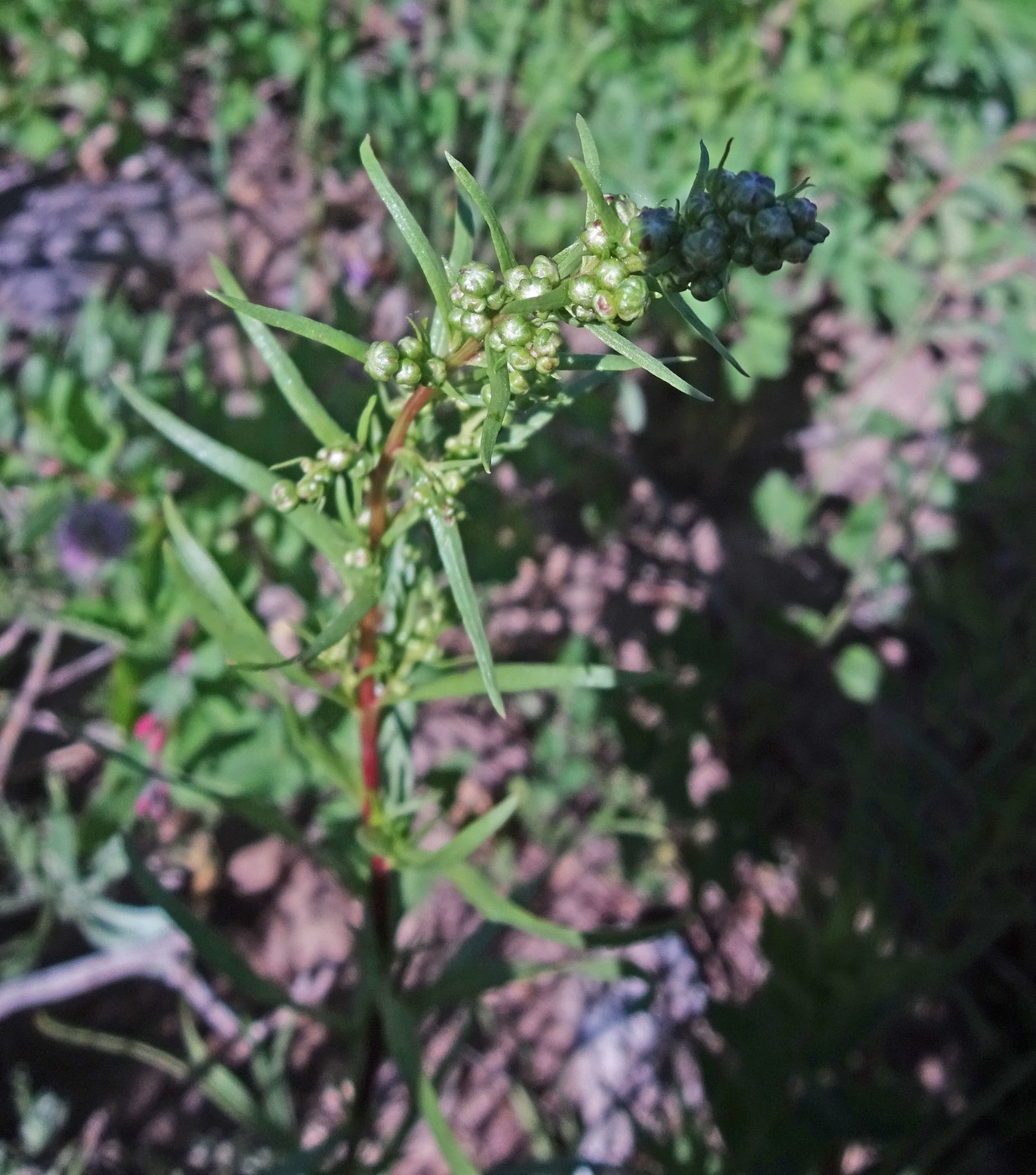
Tarragon is a slender, bushy perennial in the daisy family (Asteraceae), grown for its narrow, glossy leaves that carry a distinctive anise-like aroma. French tarragon is the prized culinary form; the seed-grown Russian tarragon (A. dracunculoides) is hardier but much less aromatic.
Because French tarragon seldom flowers and rarely produces viable seed, it is propagated vegetatively from cuttings or root division. It forms a tidy clump up to about 60 cm (2 ft) tall and benefits from being divided every few years to keep it vigorous.
How to identify it
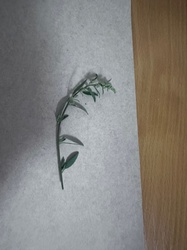
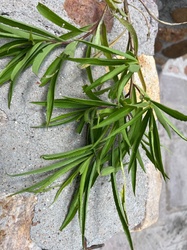
- Leaves: Narrow, smooth, lance-shaped and glossy green, 2-8 cm long, arranged alternately along the stem
- Aroma: Crushed leaves release a licorice/anise scent (a key way to distinguish aromatic French tarragon from the much less aromatic Russian tarragon)
- Habit: Slender erect to sprawling clump, typically 45-60 cm tall
- Flowers: Small, greenish-yellow, rarely opening; French tarragon almost never sets seed
- Roots: Spreading, somewhat woody rhizomes
Care & growing
- Light: Full sun, at least 6 hours; tolerates light afternoon shade in hot climates
- Water: Moderate and even, but allow the top of the soil to dry; it dislikes wet feet
- Soil: Light, well-drained, even slightly sandy soil; rich heavy clay causes rot
- Temperature: Hardy roughly USDA zones 4-8; goes dormant in winter and benefits from a cold rest
- Feeding: Light; too much nitrogen weakens the aroma
- Propagation: Division in spring or stem cuttings (French type cannot be reliably grown from seed)
Habitat & origin
Tarragon is native to a broad swath of Eurasia and parts of North America, growing wild in dry grasslands and steppe. The cultivated French form is thought to have originated in southern Russia or western Asia and spread through Europe in the Middle Ages.
Today it is grown in herb gardens and containers throughout temperate regions, and is a staple of kitchen gardens in France and across Europe and North America.
Frequently asked questions
Can I grow tarragon from seed?
Only Russian tarragon grows true from seed. French tarragon rarely sets viable seed, so propagate it by division or cuttings.
How often should I divide tarragon?
Every 2-3 years in spring. The plant loses vigor as the central crown ages, and dividing rejuvenates it.
Does tarragon survive winter?
Yes, French tarragon is a hardy perennial in zones 4-8 and actually needs a cold dormant period to thrive. Mulch in very cold areas.
Tarragon guides
In-depth guides for identifying, growing, and caring for Tarragon.
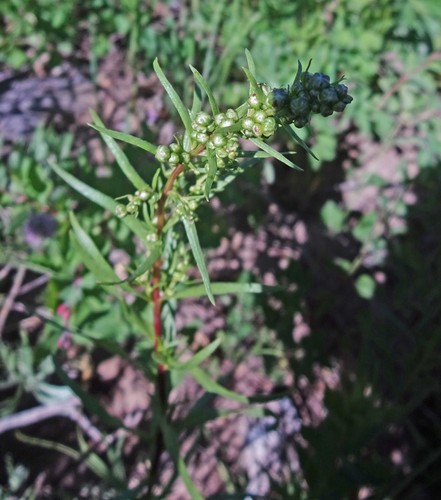
Tarragon identified by the community
Real specimens identified with Plant Identifier.