
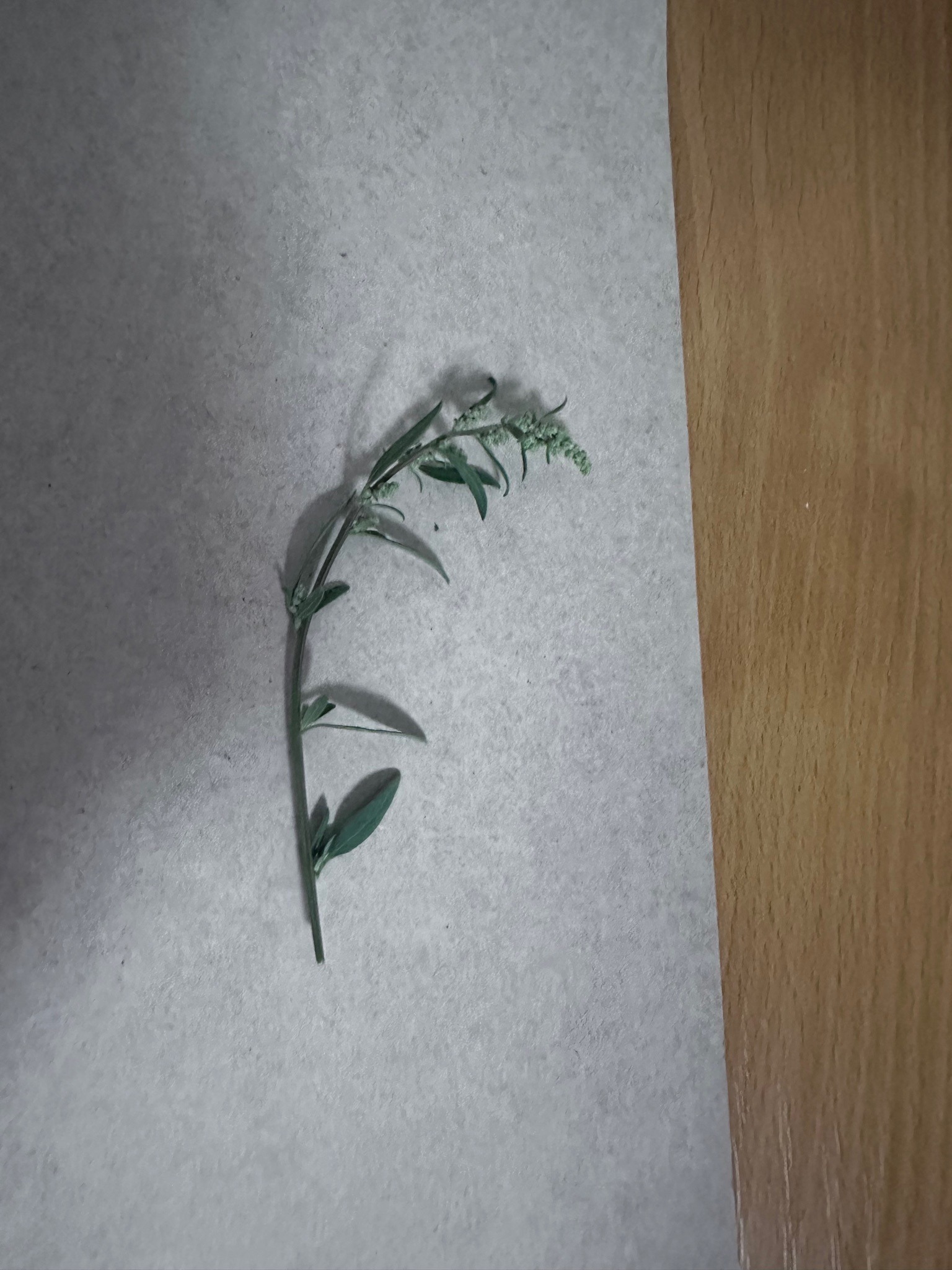
Tarragon
Artemisia dracunculus
A perennial herb with slender, branching stems and narrow, linear to lance-shaped green leaves, producing small, inconspicuous greenish-yellow flower heads.
- Light
- Full sun, requiring at least six hours of direct sunlight daily
- Water
- Low to moderate water needs. Allow soil to dry out between waterings; highly drought-tolerant once established and prone to root rot in overly wet soil
- Growth
- Perennial subshrub with an upright, branching growth habit, reaching heights of 2 to 5 feet and a spread of 2 to 3 feet with a moderate growth rate
Care instructions
Provide full sun and well-draining soil. Water moderately, allowing the soil to dry slightly between waterings. Avoid excessive moisture, especially during winter months.
Growing details
Sunlight
Full sun, requiring at least six hours of direct sunlight daily
Watering
Low to moderate water needs. Allow soil to dry out between waterings; highly drought-tolerant once established and prone to root rot in overly wet soil
Soil
Well-draining, sandy, or loamy soil with a neutral to slightly alkaline pH between 6.5 and 7.5
Hardiness zone
USDA zones 4 through 9
Growth habit
Perennial subshrub with an upright, branching growth habit, reaching heights of 2 to 5 feet and a spread of 2 to 3 feet with a moderate growth rate
Bloom season
Mid to late summer, featuring small, inconspicuous greenish-yellow or whitish flower clusters
Propagation
Propagated primarily through stem cuttings, root division in spring, or layering, as true French tarragon rarely produces viable seeds
Common pests & issues
Susceptible to root rot in poorly draining soils and powdery mildew in humid, stagnant conditions; generally resistant to most insect pests
Similar species
Russian tarragon (Artemisia dracunculus var. dracunculoides), which is taller, coarser, paler green, and lacks the distinct aroma and flavor profile of French tarragon