Tarragon Identification Guide
Learn to recognize French tarragon by its smooth, narrow leaves, anise-like aroma, and sprawling bushy form, and how to tell it apart from the coarser Russian type.
Read the full Tarragon encyclopedia entry →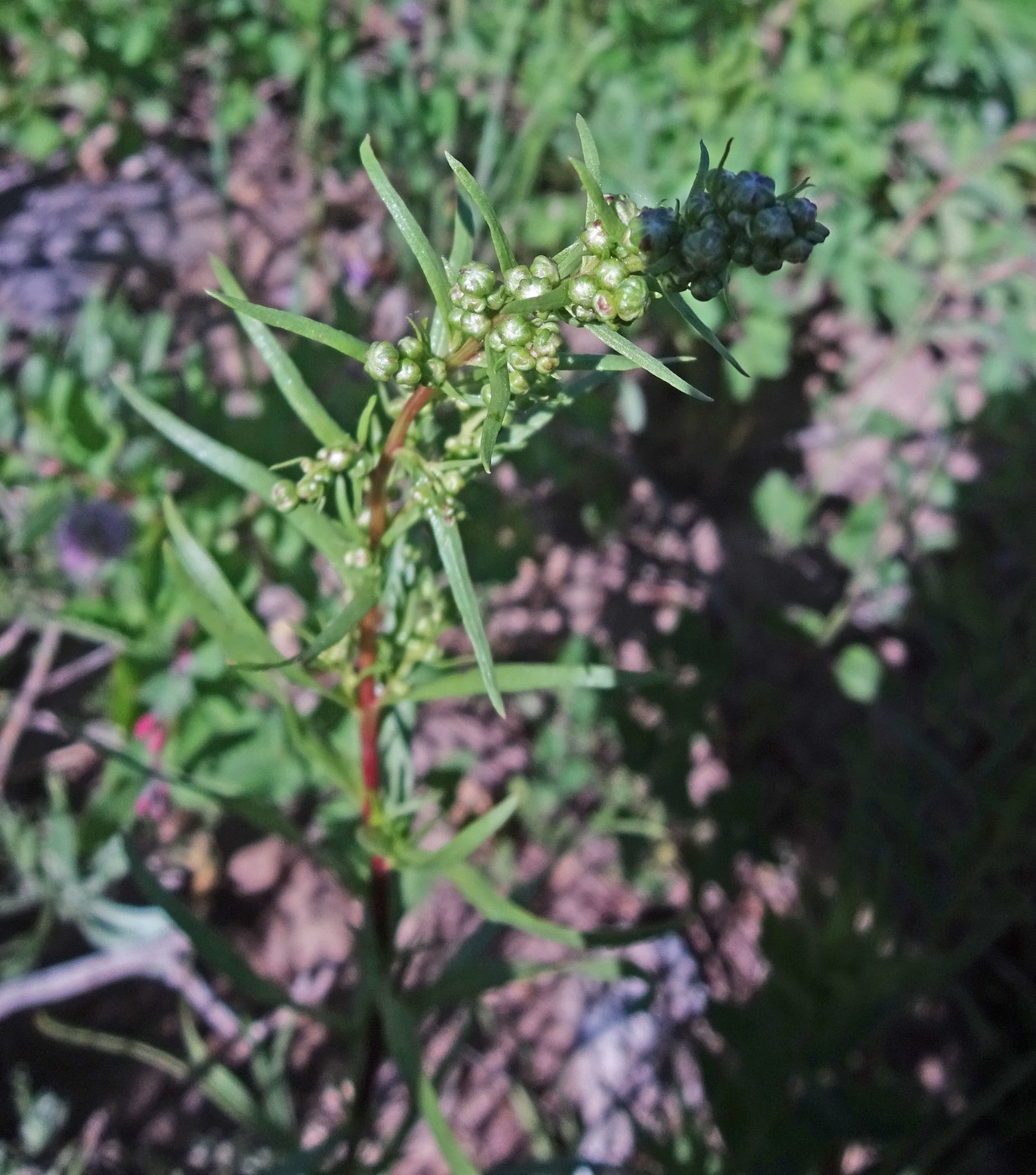
Key Identifying Features
Tarragon (Artemisia dracunculus) is a perennial member of the daisy family (Asteraceae) known for its distinctive anise-like aroma. The most reliable identifier is the aroma: crush a leaf and you should smell a sweet, peppery anise scent. True French tarragon rarely flowers and almost never sets viable seed, so it is propagated only from cuttings or root division.
- Slender, upright-to-sprawling habit, typically 60–120 cm (2–4 ft) tall
- Smooth, glossy green, narrow lance-shaped leaves with no teeth
- Sweet anise aroma when leaves are crushed
- Woody at the base, with thin branching stems
Leaves & Stems
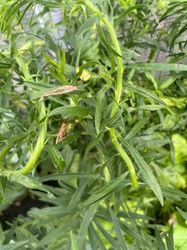
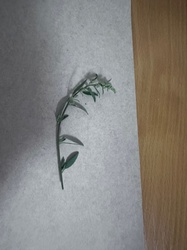
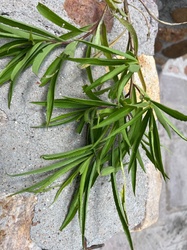
Tarragon leaves are 2–8 cm long, narrow, and untoothed (entire margins), tapering to a point at both ends. They attach directly to the stem in an alternate arrangement and are smooth and slightly shiny — not hairy or fuzzy. The stems are thin, green to brownish, and become woody near the base of established plants. Foliage is a uniform medium green.
Flowers & Fruit
French tarragon seldom blooms, and when it does, the small greenish-yellow flower heads are tiny, globular, and rarely open fully — they almost never produce viable seed. This sterility is itself a key ID clue. Russian tarragon (A. dracunculus var. inodora), by contrast, flowers more freely and sets seed.
How to Tell It Apart from Look-Alikes
- Russian tarragon: coarser, taller, paler, and more upright; leaves are larger and rougher; aroma is weak, grassy, or nearly absent. If a seed-grown "tarragon" has little scent, it is almost certainly Russian.
- Mexican tarragon (Tagetes lucida): has marigold-like yellow flowers and toothed leaves; a marigold relative often confused with it.
- Fennel: has feathery, threadlike foliage — very different from tarragon's flat narrow leaves — though it shares an anise scent.
The combination of flat, narrow, untoothed glossy leaves plus a strong anise aroma distinguishes true French tarragon.
Where You'll Find It
Tarragon is a cultivated herb grown in kitchen gardens, herb beds, and containers in full sun with well-drained soil. The wild ancestor of the species is native to Eurasia and western North America, where it grows in dry, open grasslands and disturbed ground. In gardens it spreads slowly by creeping roots.
Quick ID Checklist
- Narrow, smooth, untoothed lance-shaped leaves
- Strong anise/licorice aroma when crushed
- Bushy plant 60–120 cm with woody base
- Rarely flowers (French type) and sets no seed
- Alternate leaf arrangement on thin stems
If you have a richly aromatic plant with slim, glossy, smooth-edged leaves that almost never blooms, you have French tarragon.
Frequently asked questions
How can I tell French tarragon from Russian tarragon?
Smell a crushed leaf: French tarragon has a strong sweet anise aroma, while Russian tarragon is coarser, taller, and nearly scentless. French tarragon also rarely flowers or sets seed, so any seed-grown plant is Russian.
Why does my tarragon never produce flowers or seeds?
True French tarragon is largely sterile and seldom blooms — this is normal and actually a way to confirm you have the genuine French type. It is propagated by cuttings or division rather than seed.
What does tarragon smell like?
Crushed leaves release a sweet, peppery, licorice or anise-like aroma. A weak, grassy, or scentless plant is likely Russian tarragon or a mislabeled look-alike.
Are the leaves toothed or smooth-edged?
Tarragon leaves are entire (smooth-edged), narrow, and lance-shaped with no teeth, which helps separate it from toothed-leaved herbs and from feathery fennel.
Tarragon identified by the community
Recent Tarragon specimens identified with Plant Identifier.