
How to Care for Atlas Cedar
Grow atlas cedar (Cedrus atlantica) with these tips for a majestic, drought-tolerant evergreen conifer with silvery-blue needles.
Read the full Atlas Cedar encyclopedia entry →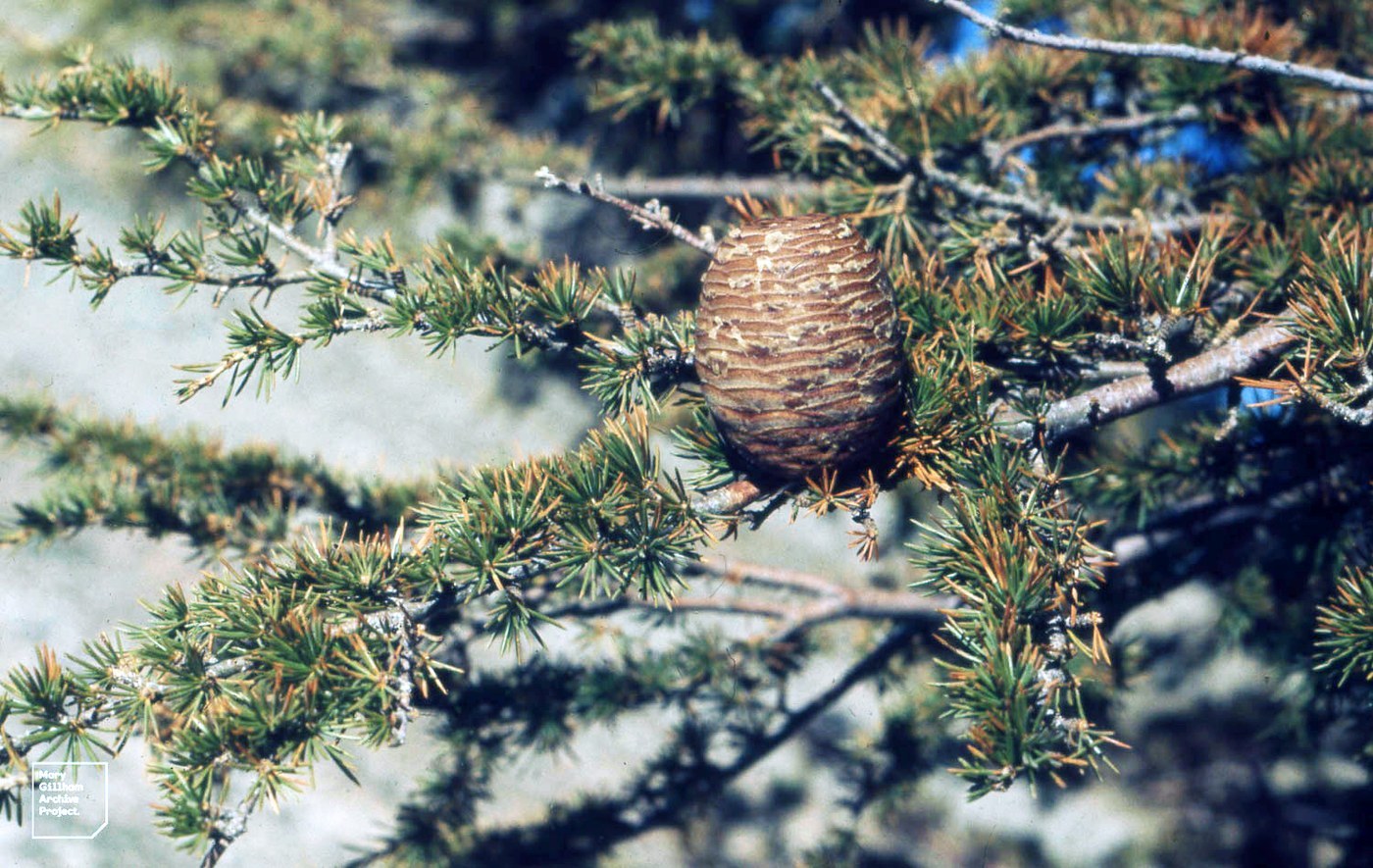
Atlas cedar is a majestic evergreen conifer prized for its silvery-blue needles, tiered branching, and stately pyramidal form that broadens with age. A true cedar native to mountain slopes, it is a long-lived specimen tree for large landscapes, tolerant of drought and heat once its deep roots are established.
Light
Atlas cedar requires full sun to develop its dense, symmetrical habit and the most intense blue needle color, especially in blue-foliaged forms. At least six hours of direct sun daily is essential. In shade it grows thin, open, and lopsided, losing the vigorous, well-clothed structure that makes it a landscape centerpiece.
Water
Water young trees moderately and regularly for the first few years to establish a strong root system. Once established, atlas cedar is notably drought-tolerant and needs little supplemental water except during extended dry spells. It strongly dislikes waterlogged soil, so avoid overwatering and heavy, poorly drained sites, which are its chief enemy.
Soil & Potting
Plant in deep, well-drained soil; atlas cedar tolerates a range of soil types, including sandy and loamy ground, and adapts to both acidic and slightly alkaline conditions. Excellent drainage is critical, as the roots rot in standing water. Give it ample room to accommodate its eventual large size and wide-spreading root system.
Humidity & Temperature
This mountain conifer tolerates heat and cold well within its hardiness range and handles average to dry air with ease. It withstands wind once established and is comfortable in warm, dry summers reminiscent of its native climate. No humidity management is required; it prefers open, airy sites over damp, stagnant conditions.
Feeding
Atlas cedar needs minimal feeding. Young trees can be given a light application of a balanced or evergreen-formulated slow-release fertilizer in early spring to support establishment. Mature specimens in reasonable soil rarely need fertilizing. Avoid excess nitrogen, and let an annual mulch layer supply gradual nutrients while conserving soil moisture.
Propagation
The species is propagated from seed, which benefits from a period of cold, moist stratification before sowing in spring. Named selections and weeping or blue cultivars are usually propagated by grafting onto seedling rootstock, since they do not come true from seed and are difficult to root from cuttings. Grafting is generally a task for specialist growers.
Repotting / Pruning
Atlas cedar naturally forms a handsome shape and needs little pruning; limit it to removing dead, damaged, or crossing branches, ideally in late winter. Avoid cutting into old, needleless wood, as cedars do not readily regenerate from it. Young container or grafted plants should be moved to their permanent site early, as large cedars resent transplanting.
Common Problems & Pests
Generally hardy, atlas cedar can occasionally suffer from tip blight, root rot in wet soils, and pests such as aphids, scale, and bark beetles on stressed trees. Provide good drainage and full sun to keep it vigorous, which is the best defense. Sudden needle browning often signals waterlogging or root disturbance rather than pest attack.
Seasonal Care Tips
Plant in spring or early autumn and water regularly through the first few summers to establish deep roots. Mulch the root zone and keep grass back from the trunk. Prune lightly in late winter if needed. Once mature, this self-sufficient evergreen needs little care and provides year-round structure and striking blue color in the landscape.
Frequently asked questions
Why are my atlas cedar's needles turning brown?
Sudden needle browning most often signals waterlogged soil or root disturbance rather than pests. Check drainage, avoid overwatering, and make sure the tree is not sitting in soggy ground.
How big does an atlas cedar get?
It is a large, long-lived specimen conifer that spreads broadly with age. Give it plenty of open space and full sun so it can develop its majestic tiered, pyramidal form.
How much pruning does atlas cedar need?
Very little. It forms a naturally handsome shape, so limit pruning to dead or damaged branches in late winter. Avoid cutting into old, needleless wood, which does not regrow.
Is atlas cedar drought-tolerant?
Yes, once established. Water young trees regularly for the first few years to build deep roots, after which it needs little supplemental water except in prolonged dry spells.