Atlas Cedar
Cedrus atlantica
Atlas Cedar is a stately true cedar from North Africa, famous for the silvery-blue 'Glauca' form. It has stiff, ascending branches and a bold pyramidal shape that becomes flat-topped with age.
- Light
- Full sun
- Water
- Moderate when young; drought tolerant once established
- Difficulty
- Easy
Got a plant like this?
Identify any plant from a photo, free.
Overview
Atlas Cedar (Cedrus atlantica) is a large evergreen conifer native to the Atlas Mountains of Morocco and Algeria. It is closely related to the Cedar of Lebanon and is best known in gardens through its striking blue-needled cultivar 'Glauca'.
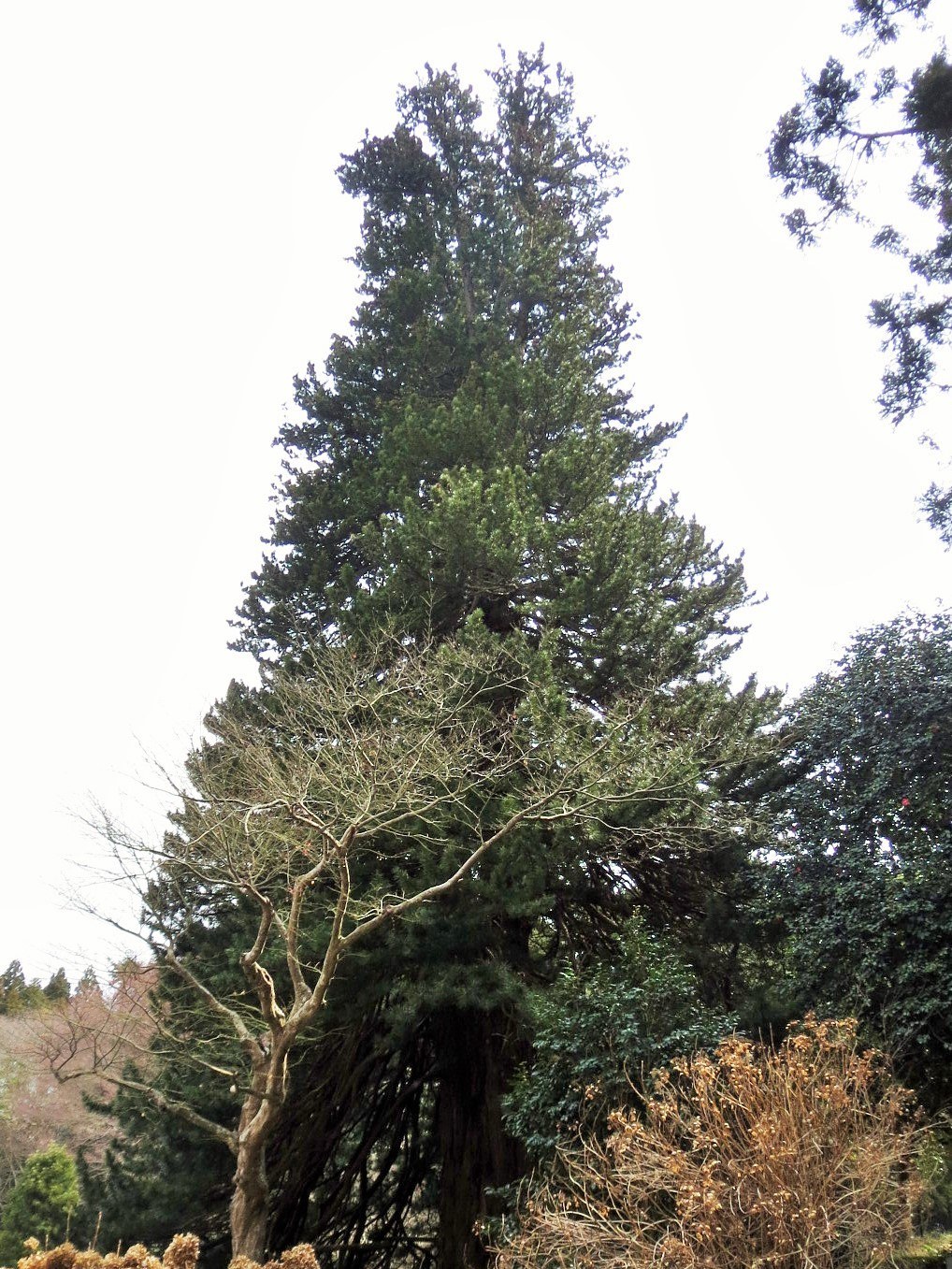
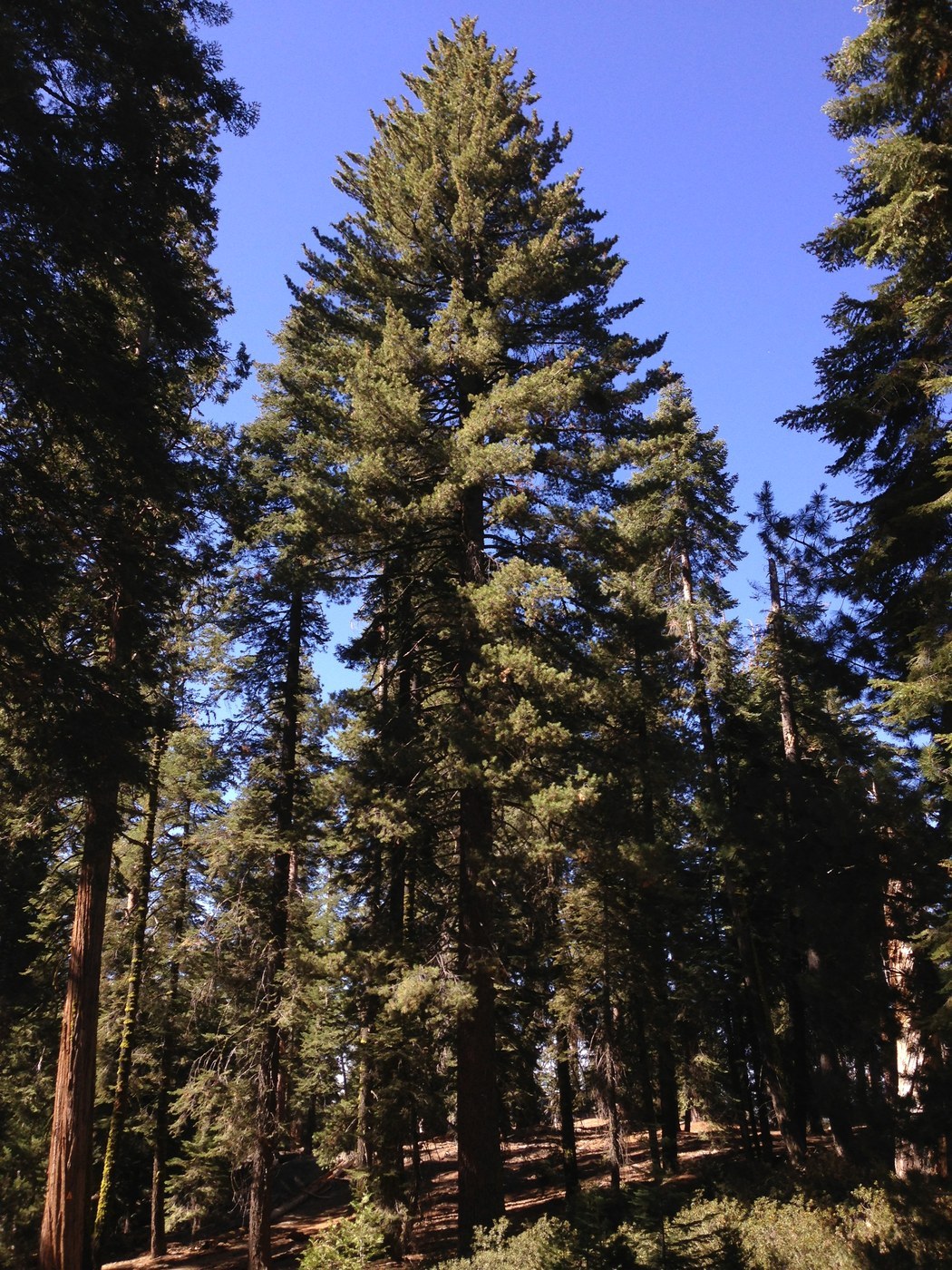
Young trees are stiffly pyramidal with ascending branches, maturing into broad, often flat-topped specimens 40 to 60 feet tall. The weeping form, 'Glauca Pendula', is a popular sculptural garden plant.
Admired for its color and bold architecture, it is widely planted as a specimen tree in parks and large gardens in temperate climates.
How to identify it
Distinguished by stiff ascending branches and clustered needles.
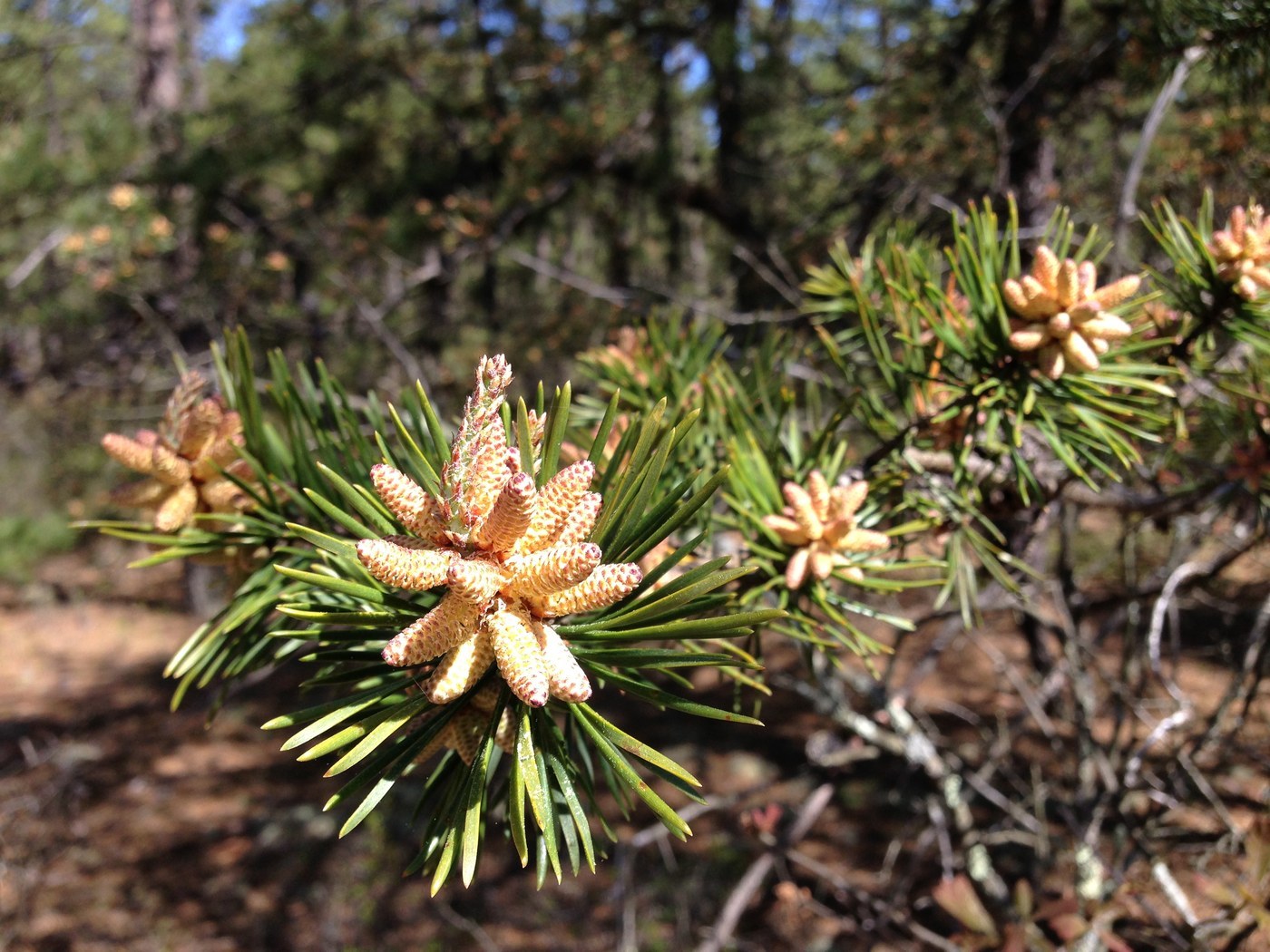
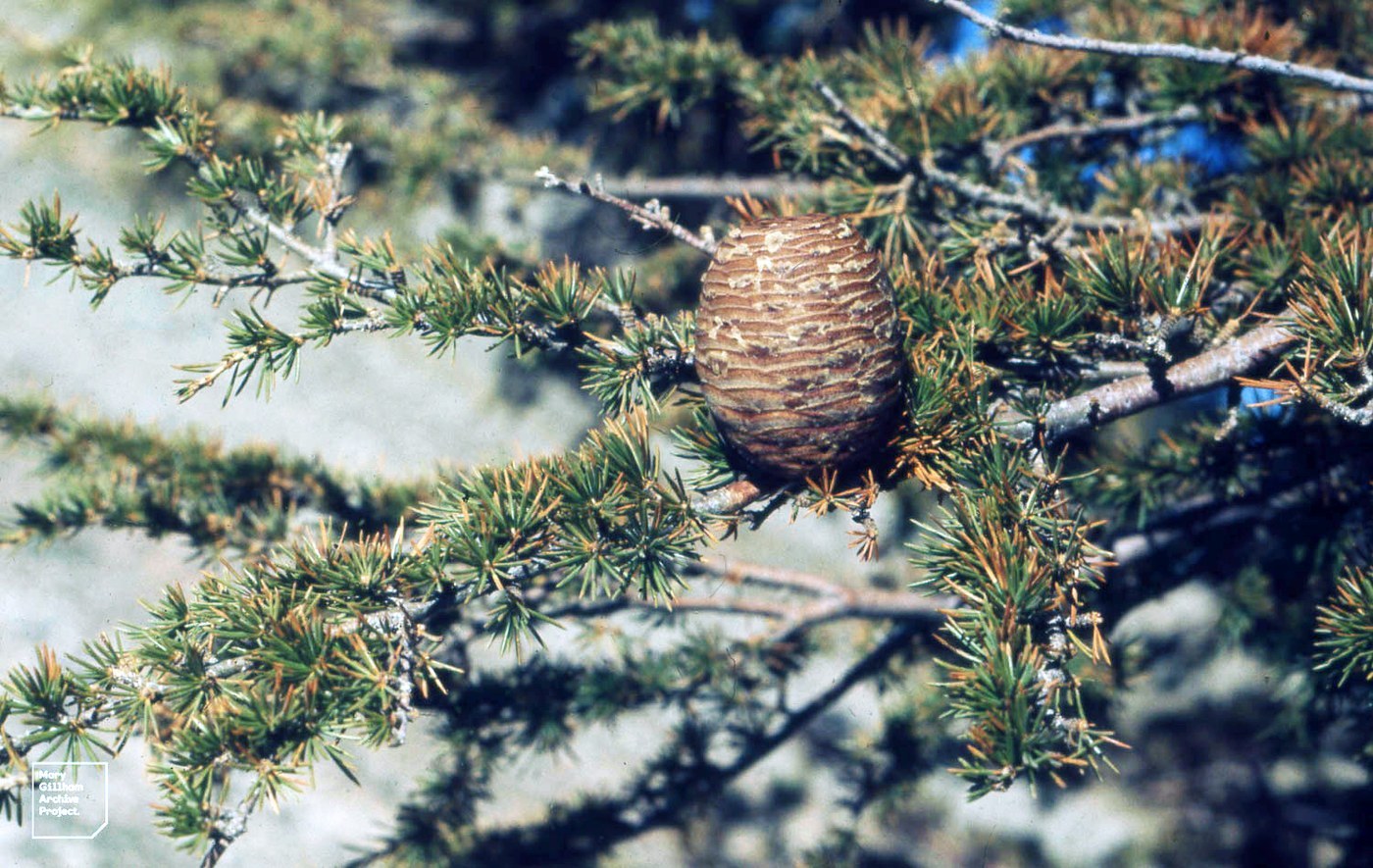
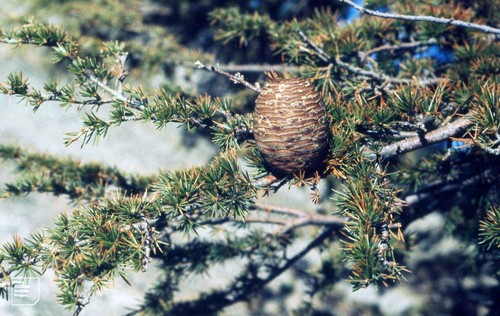
- Needles: Short needles about 0.5 to 1 inch long, borne singly on new shoots and in dense rosette-like clusters on spurs; green to silvery-blue (especially in 'Glauca')
- Habit: Stiffly pyramidal when young with ascending branch tips, becoming broad and flat-topped with age
- Cones: Upright, barrel-shaped cones 2 to 3 inches long that break apart on the tree
- Bark: Grey, becoming fissured with age
- Size: 40 to 60 feet tall in cultivation
Care & growing
A tough, drought-tolerant cedar that wants sun and space.
- Light: Full sun
- Water: Water while establishing; drought tolerant once mature
- Soil: Well-drained soil; tolerant of poor and dry ground, dislikes waterlogging
- Temperature: Hardy in USDA zones 6 to 9; somewhat hardier than the deodar cedar
- Feeding: Minimal; light spring feeding if desired
- Space: Becomes a large, wide tree; give it ample room
- Propagation: Species from seed; blue and weeping cultivars grafted
Habitat & origin
Native to the Atlas Mountains of Morocco and Algeria in North Africa, where it forms forests at high elevations on rocky mountain slopes.
The wild populations are now considered threatened, but the tree is widely planted as an ornamental in parks and large gardens across temperate Europe, North America, and beyond, particularly the blue-foliaged forms.
Frequently asked questions
Why is the Blue Atlas Cedar blue?
The popular 'Glauca' cultivar has a natural waxy coating on its needles that gives them a striking silvery-blue color. Seed-grown trees vary from green to blue.
How do I tell it from Cedar of Lebanon?
They are very similar, but Atlas Cedar tends to have shorter needles and more ascending branches when young, and is often grown in its distinctive blue form, while Lebanon cedar develops famously flat, tiered layers with age.
How big does it get?
In cultivation it typically reaches 40 to 60 feet tall and becomes broad and flat-topped, so it needs generous space and is best for larger landscapes.
Is it drought tolerant?
Yes, once established. As a mountain species adapted to dry summers, it tolerates drought and poor soil well, provided drainage is good.
Atlas Cedar guides
In-depth guides for identifying, growing, and caring for Atlas Cedar.
How to Care for Atlas Cedar
Grow atlas cedar (Cedrus atlantica) with these tips for a majestic, drought-tolerant evergreen conifer with silvery-blue needles.
Atlas Cedar Identification Guide
Identify the Atlas Cedar (Cedrus atlantica) by its stiff, ascending branches, short needles in spur rosettes, and (in the popular blue form) striking silvery-blue foliage.