
How to Care for Australian Willow
Grow Australian Willow (Geijera parviflora), a graceful, drought-tolerant evergreen tree with weeping foliage and low water needs once established.
Read the full Australian Willow encyclopedia entry →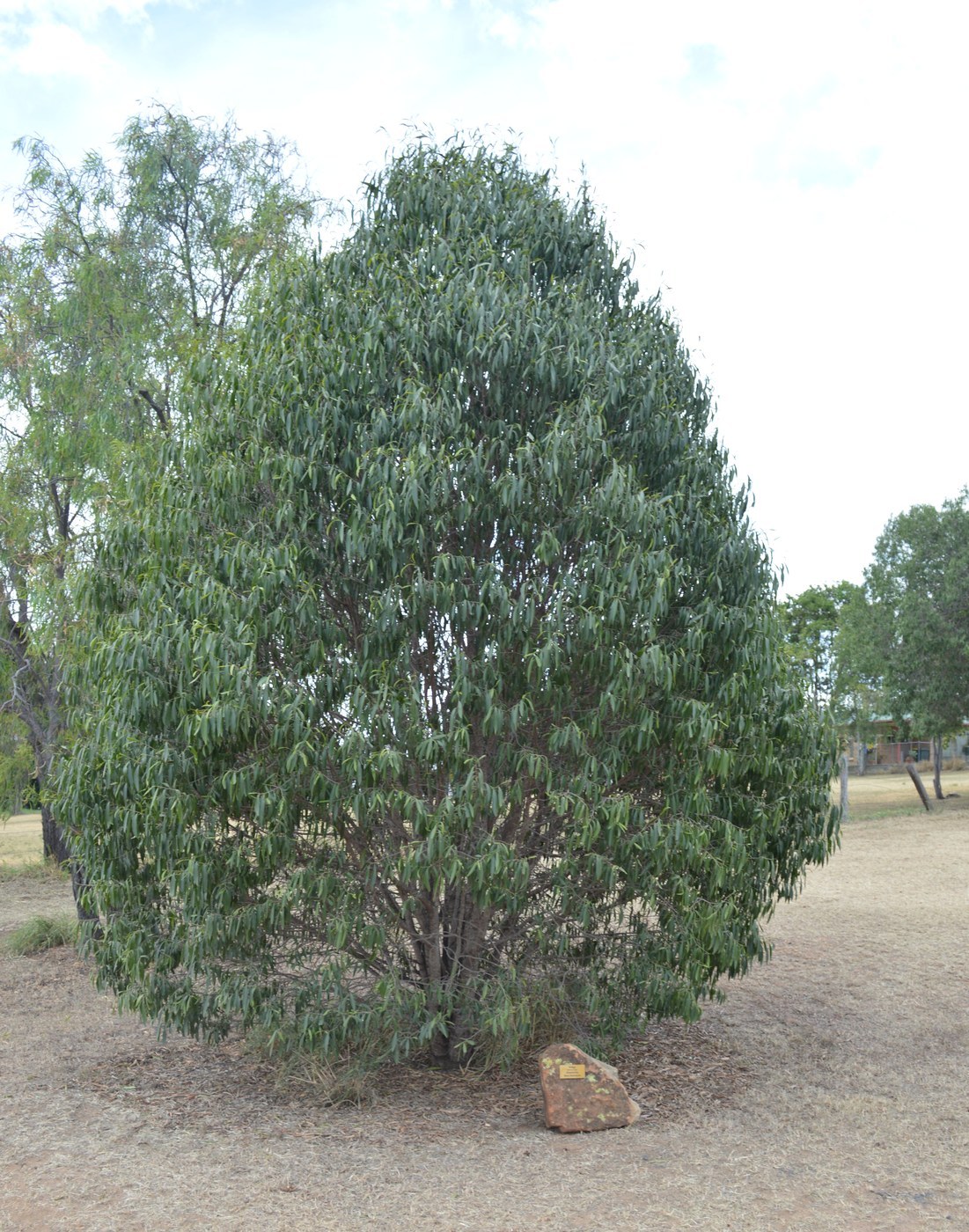
Australian Willow (Geijera parviflora) is a graceful evergreen tree with slender, weeping, willow-like foliage, though it is not a true willow. It is valued as a tough, tidy, low-maintenance shade and street tree for warm, dry climates.
Light
This tree wants full sun. Ample direct light produces the densest canopy and the most attractive weeping habit. It tolerates a little light shade but performs and looks best in an open, sunny position.
Water
Australian Willow is highly drought tolerant once established and needs only low water. Water young trees regularly through their first year or two to build a deep root system, then taper off. Mature trees are content with occasional deep soakings during prolonged dry periods and dislike constantly wet feet.
Soil & Potting
It adapts to a wide range of soils, including poor, sandy, and rocky ground, provided drainage is good. It handles moderately alkaline conditions well. Avoid heavy, waterlogged soils, which can cause root problems. Its tolerance of tough sites is a large part of its appeal as a durable landscape tree.
Humidity & Temperature
Adapted to hot, dry, warm-temperate climates, Australian Willow handles heat and drought with ease and tolerates mild frosts once established. It is not suited to very cold regions. Ordinary outdoor humidity is fine, and it copes well with dry air.
Feeding
This is a low-feed tree. A light application of balanced or slow-release fertilizer in spring supports young trees, but established specimens generally need little supplemental feeding in reasonable soil. Avoid overfeeding, which encourages weak, sappy growth.
Propagation
Australian Willow is usually propagated from seed, which can be slow and somewhat erratic to germinate. Semi-hardwood cuttings can also be tried, though rooting is not always reliable. Young plants establish steadily once past the seedling stage.
Repotting / Pruning
Container specimens should be potted on in spring as they outgrow their pots, using a free-draining mix. In the landscape, the tree needs little pruning; remove dead, damaged, or crossing branches and lightly shape when young to establish a good framework. Its naturally neat, non-invasive form means minimal ongoing maintenance.
Common Problems & Pests
Australian Willow is notably pest- and disease-resistant, which contributes to its popularity as a low-care tree. Occasional scale insects or sooty mold may appear on stressed trees, and root rot can develop in poorly drained, overwatered soil. Good drainage and full sun prevent most issues.
Seasonal Care Tips
Plant in spring or fall in a warm climate. Water regularly through the establishment period, then reduce to occasional deep watering. Mulch the root zone to conserve moisture while young. Little winter protection is needed in suitable climates, and its evergreen canopy provides year-round structure.
Frequently asked questions
How drought tolerant is Australian Willow?
Very. Once established it needs only low water and handles extended dry spells well, making it a popular low-maintenance tree for hot, dry climates.
Is Australian Willow a real willow?
No. Despite its slender, weeping, willow-like foliage, Geijera parviflora is not a true willow and does not have a willow's thirst for water or invasive roots.
Does it need much pruning?
Little. It has a naturally neat, tidy form; just remove dead or crossing branches and lightly shape young trees to establish a good framework.
What soil does Australian Willow prefer?
It adapts to many soils, including poor, sandy, rocky, and moderately alkaline ground, as long as drainage is good. It dislikes heavy, waterlogged soil.