How to Care for Azalea
Azalea (Rhododendron simsii) rewards steady moisture, acidic soil, and bright indirect light with a spectacular flush of spring blooms.
Read the full Azalea encyclopedia entry →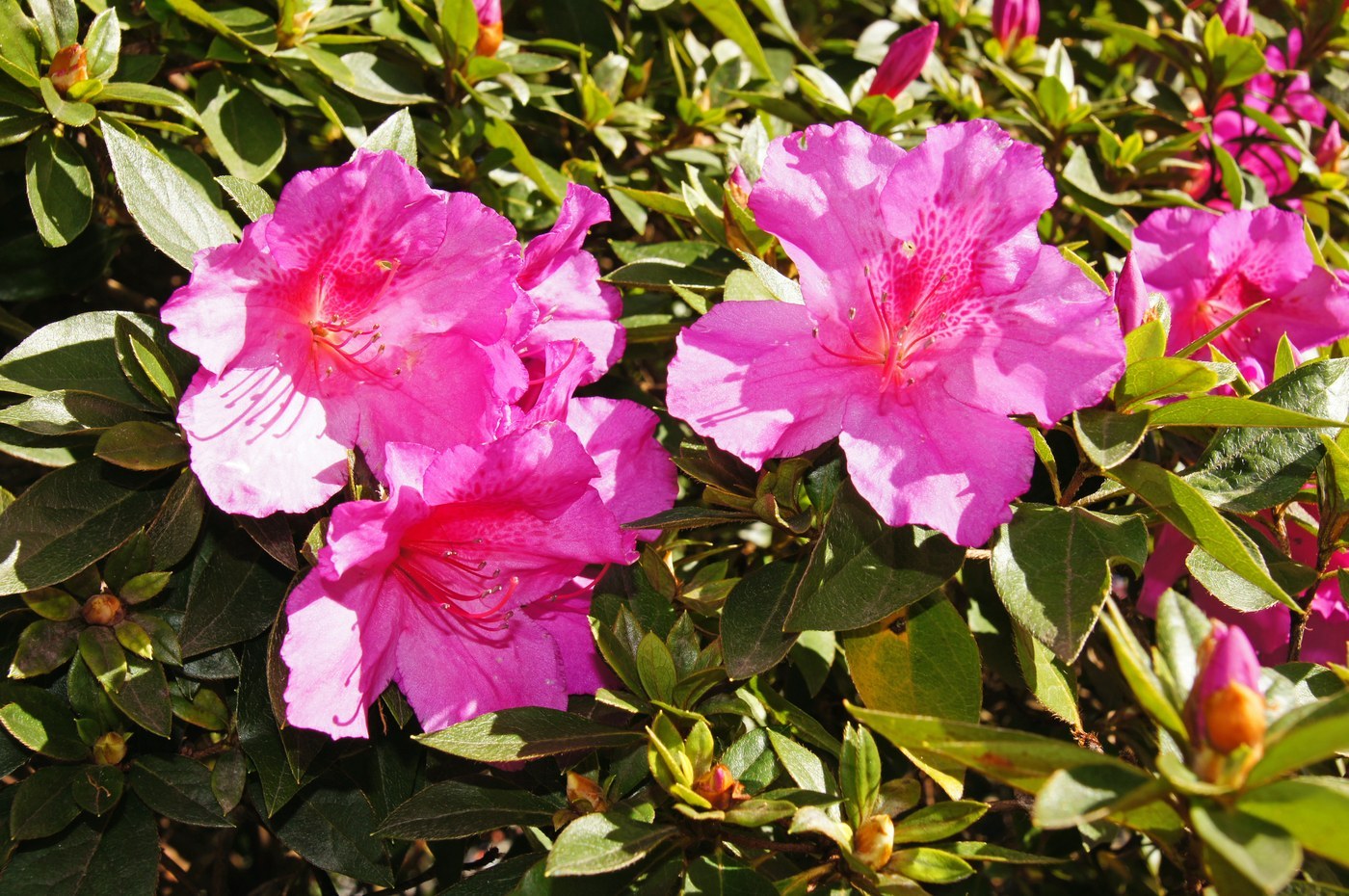
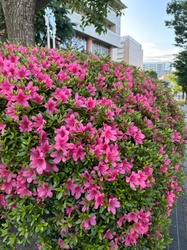
The Azalea (Rhododendron simsii), often sold as the florist's or indoor azalea, is a compact evergreen shrub celebrated for its dense, showy flush of funnel-shaped blooms in shades of pink, red, white, and bicolor. It is a rewarding but somewhat particular plant that thrives on consistent moisture, acidic soil, and cool, bright conditions.
Light
Give azaleas bright indirect light to partial shade. A spot near a bright window shielded from harsh midday sun is ideal indoors; outdoors, dappled shade or morning sun with afternoon shade suits it best. Too much direct, hot sun scorches the foliage and shortens flowering, while too little light reduces bud formation.
Water
Azaleas demand consistently moist soil and should never be allowed to dry out, as their fine, shallow roots are very sensitive to drought. Check often and water thoroughly whenever the surface begins to dry. Use rainwater or filtered water if possible, since azaleas dislike the lime and salts in some hard tap water. Never let the plant sit in standing water either, as soggy roots also cause trouble.
Soil & Potting
Azaleas require acidic, humus-rich, well-draining soil, ideally a specialist ericaceous (acid-loving) mix. A pH that is too high causes yellowing leaves and poor growth. Blend in peat-free acidic compost or composted bark for structure and moisture retention. Use a pot with good drainage, and avoid alkaline garden soils, which this plant will not tolerate.
Humidity & Temperature
Azaleas prefer cool, humid conditions. They flower longest in temperatures around 55 to 65 degrees Fahrenheit and dislike hot, dry indoor air, which causes buds and flowers to drop quickly. Boost humidity with a pebble tray or by grouping plants, and keep them away from heating vents and radiators. They tolerate cool nights well and actually bloom better for them.
Feeding
Feed with a fertilizer formulated for acid-loving or ericaceous plants during the active growing season after flowering. Apply at half strength every few weeks through spring and summer, then stop in autumn and winter. Regular acidic feeding keeps foliage deep green; general-purpose fertilizers can raise soil pH over time and cause chlorosis.
Propagation
Azaleas are propagated from semi-ripe stem cuttings taken in summer. Choose non-flowering shoots, dip the cut ends in rooting hormone, and insert them into a moist, acidic, free-draining rooting mix kept humid and warm. Rooting is slow and can take several weeks to months, so patience and steady moisture are key to success.
Repotting / Pruning
Repot every couple of years into fresh acidic mix, ideally just after flowering, keeping the shallow root ball intact. Prune lightly right after blooming to shape the plant and encourage bushy growth, since flower buds form on the new growth that follows. Pinching young shoots promotes a fuller, more floriferous plant. Remove spent flowers to keep it tidy.
Common Problems & Pests
Yellowing leaves with green veins (chlorosis) indicate soil that is too alkaline or hard water; correct with acidic soil, feed, and softer water. Bud and leaf drop usually stem from dry air, drought, or overly warm conditions. Watch for lace bugs, spider mites, and vine weevils, and for fungal leaf spots or root rot in poorly drained, soggy soil. Consistent moisture and cool, bright air prevent most problems.
Seasonal Care Tips
During winter and early spring bloom, keep the plant cool, bright, and evenly moist to prolong the flowers. After flowering, repot if needed, prune to shape, and begin acidic feeding. Move the plant to a sheltered, shaded outdoor spot for summer to enjoy fresh air, keeping it well watered. Bring it back to a cool, bright room before frost to set buds for the next display.
Frequently asked questions
Why are my azalea's leaves turning yellow?
Yellowing leaves, especially with green veins, usually indicate the soil is too alkaline or the water too hard. Use acidic ericaceous soil, an acid-loving plant feed, and rainwater or filtered water.
Why is my azalea dropping its buds and flowers?
Bud and flower drop is typically caused by dry air, letting the soil dry out, or temperatures that are too warm. Keep it cool, evenly moist, and boost humidity away from heating vents.
How much light does an azalea need?
Bright indirect light to partial shade is best. Protect it from hot direct midday sun, which scorches leaves, but give it enough light to form plenty of buds.
When and how should I prune an azalea?
Prune lightly right after flowering to shape the plant and encourage bushy new growth, since next season's buds form on that fresh growth. Pinching young shoots creates a fuller plant.
What kind of soil do azaleas need?
They need acidic, humus-rich, well-draining soil, ideally a specialist ericaceous (acid-loving) mix. Alkaline soils cause yellowing and poor growth.
Azalea identified by the community
Recent Azalea specimens identified with Plant Identifier.