
How to Care for Baby's Breath
Grow baby's breath (Gypsophila paniculata), the airy cloud of tiny white flowers beloved in borders and bouquets.
Read the full Baby's Breath encyclopedia entry →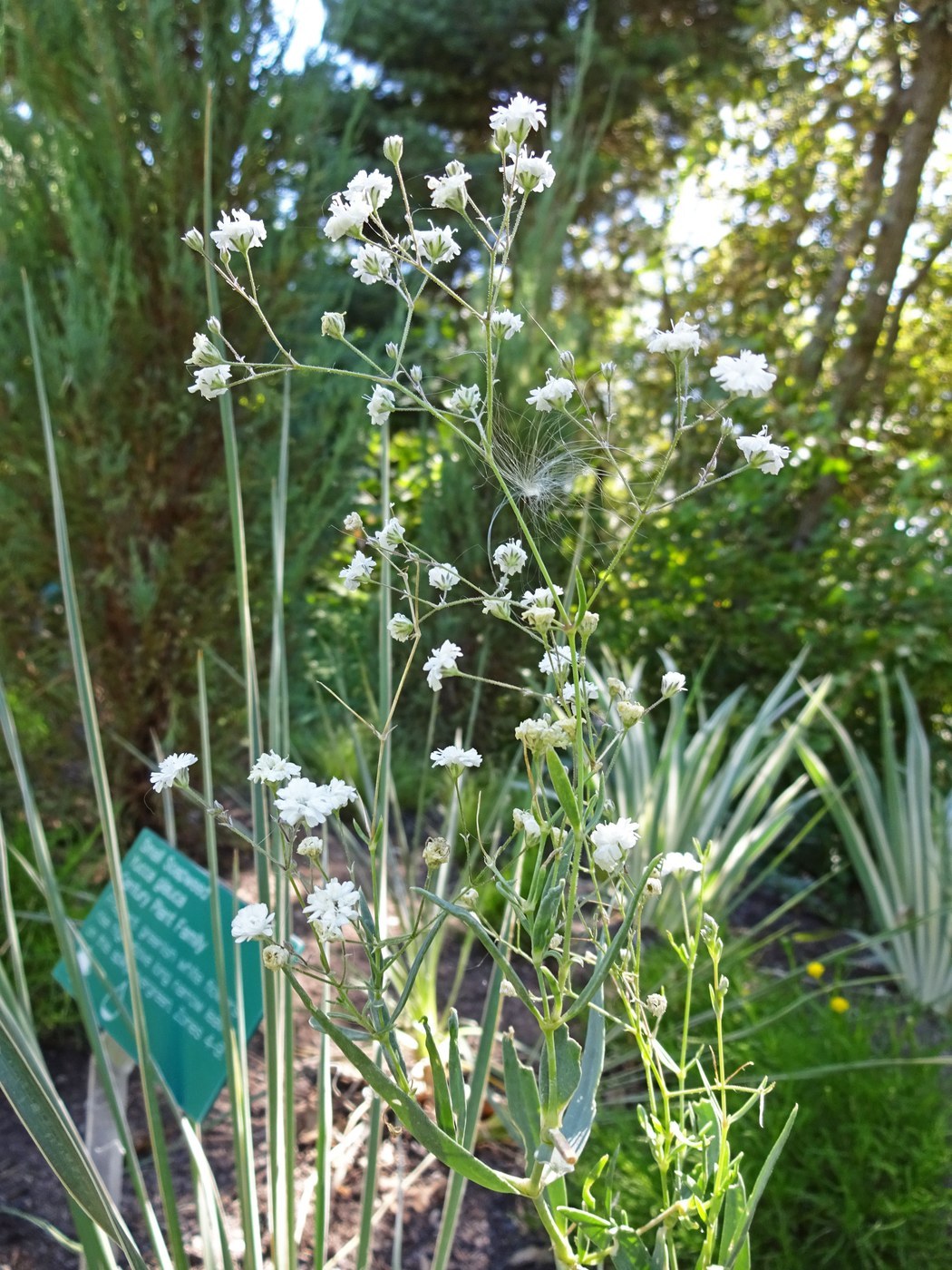
Baby's breath (Gypsophila paniculata) is a beloved perennial that forms billowing clouds of tiny white or pink flowers on wiry, branching stems. It is an easy, sun-loving plant that thrives on neglect and lends an airy, romantic texture to borders and cut arrangements.
Light
Baby's breath needs full sun to flower well, ideally six or more hours of direct light daily. In too much shade it grows floppy and blooms poorly. The sunniest, most open spot in the garden produces the fullest, most floriferous plants.
Water
Keep watering low to moderate. Baby's breath is drought-tolerant once established and dislikes wet feet. Water deeply but infrequently, letting the soil dry between waterings, and avoid overhead watering that keeps foliage damp. Overwatering is the fastest way to lose this plant to root rot.
Soil & Potting
Sharp drainage is essential. Baby's breath prefers light, sandy or loamy soil and famously thrives in alkaline conditions, hence the name from the Latin for 'chalk-loving.' If your soil is acidic, add garden lime to raise the pH. Heavy clay must be amended with grit or the plant will not persist.
Humidity & Temperature
A hardy perennial for temperate zones (roughly USDA 3-9), baby's breath handles cold winters and warm summers with ease. It prefers dry air and good air circulation; humid, stagnant conditions encourage fungal problems. No humidity measures are needed.
Feeding
Feed lightly, if at all. A single application of balanced fertilizer or compost in spring is sufficient. Overfeeding, especially with nitrogen, produces lush foliage and weak, flopping stems at the expense of flowers. This plant genuinely prefers lean soil.
Propagation
Propagate species types from seed sown in spring. Named double-flowered cultivars are propagated from softwood cuttings or by division, since they do not come true from seed. Established clumps have deep, brittle taproots and resent disturbance, so divide only when necessary.
Repotting / Pruning
Because of its long taproot, baby's breath dislikes being moved, so choose its permanent spot carefully. Shear plants back after the first flush of bloom to encourage a second round of flowers. Tall varieties benefit from staking or a support grid to keep the airy stems upright.
Common Problems & Pests
Root rot and crown rot from poorly drained or overwet soil are the main threats. In humid conditions it can develop fungal leaf spots or botrytis; good spacing and airflow help. Aphids and leafhoppers occasionally appear but rarely cause serious harm. The plant may resent transplanting due to its taproot.
Seasonal Care Tips
Plant in spring in a permanent, sunny, well-drained spot. Shear after the early-summer bloom for repeat flowering, and cut stems for drying just as flowers open. In fall, cut back spent growth; the perennial roots overwinter reliably in its hardiness range with no special protection.
Frequently asked questions
Why is my baby's breath flopping over?
Floppy growth usually comes from too little sun, overly rich soil, or excess nitrogen. Grow it in full sun and lean soil, and stake tall varieties for support.
What soil pH does baby's breath prefer?
It prefers neutral to alkaline soil. If your soil is acidic, add garden lime to raise the pH, since the plant is naturally chalk-loving.
How do I get baby's breath to bloom again?
Shear the plants back after the first flush of flowers in early summer. This encourages a fresh round of blooms later in the season.
Can I grow baby's breath from cuttings?
Double-flowered cultivars are best grown from softwood cuttings or division because they do not come true from seed. Single species types can be sown from seed.