
How to Care for Bachelor's Button
Grow cheerful blue Bachelor's Button from seed in full sun and lean soil for an easy, drought-tolerant cottage-garden annual.
Read the full Bachelor's Button encyclopedia entry →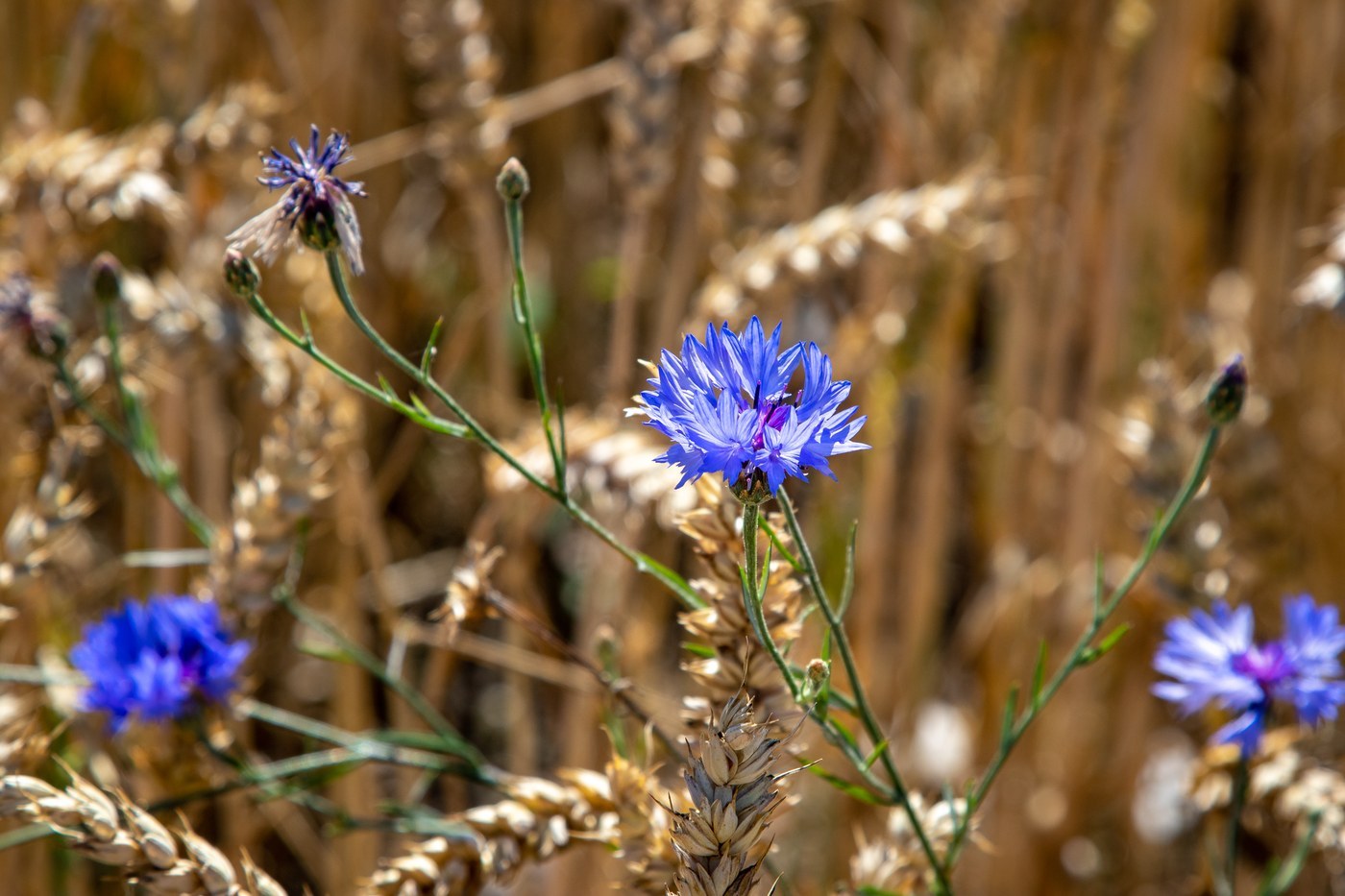
Bachelor's Button (Centaurea cyanus), also called cornflower, is an easy, fast-growing annual famous for its intensely blue, fringed flowers on slender gray-green stems. It is a cottage-garden classic that thrives in sun and lean soil and is simple to grow from a direct-sown seed.
Light
Full sun is best, meaning at least six hours of direct light daily. Ample sun keeps the stems strong and upright and maximizes flowering. In shade the plants grow leggy, bloom sparsely, and flop over.
Water
Water low to moderately. Bachelor's Button is drought-tolerant once established and dislikes soggy conditions. Keep seedlings evenly moist until they root in, then water only during dry spells, letting the soil surface dry between waterings. Avoid overwatering, which encourages weak growth and root problems.
Soil & Potting
It is unfussy and actually prefers lean, well-drained, even slightly alkaline soil. Overly rich ground produces floppy, foliage-heavy plants with fewer flowers. Ensure good drainage; in containers use a standard free-draining mix and a pot with drainage holes. It tolerates poor and sandy soils well.
Humidity & Temperature
A cool-season annual, Bachelor's Button germinates and grows best in mild temperatures and can tolerate light frost. It often struggles and fades in intense summer heat and humidity. Good airflow reduces the risk of mildew on the foliage.
Feeding
Feed sparingly or not at all. These plants flower best in low-fertility soil, so avoid rich feeding, which favors leaves over blooms. If your soil is very poor, a single light dose of balanced fertilizer early in growth is sufficient.
Propagation
Grow from seed, which is the standard method. Direct-sow in the garden in early spring (or in fall in mild-winter regions) since it dislikes root disturbance from transplanting. Barely cover the seed, keep it lightly moist, and expect germination within one to two weeks. It self-sows readily and often returns from dropped seed.
Repotting / Pruning
As an annual it is not repotted long-term, but you can pot up seedlings carefully if started in cells. Deadhead spent flowers regularly to prolong blooming and prevent the plant from going fully to seed too soon. Pinching young plants once encourages bushier, better-branched growth. Tall types may need light staking.
Common Problems & Pests
Generally trouble-free. In warm, humid, or crowded conditions it can develop powdery mildew or rust; improve spacing and airflow and avoid wetting the foliage. Aphids sometimes cluster on buds and tender shoots and can be hosed off. Overwatering or poor drainage can cause root rot and stem collapse.
Seasonal Care Tips
Sow seed in early spring or in autumn where winters are mild for the earliest, strongest bloom. Deadhead through the flowering season to extend it. As summer heat sets in, plants naturally decline; let a few flowers set seed if you want volunteers, then clear spent plants and consider a fresh sowing.
Frequently asked questions
Should I start Bachelor's Button seeds indoors or direct-sow?
Direct-sowing is best because the plant resents root disturbance. Sow seed straight into the garden in early spring, or in fall in mild-winter areas, and barely cover it.
Why is my Bachelor's Button flopping over?
Flopping comes from too little sun or overly rich soil. Grow it in full sun and lean ground, avoid heavy feeding, and pinch young plants or lightly stake tall varieties.
How do I keep Bachelor's Button blooming longer?
Deadhead spent flowers regularly to prevent early seed set, and sow in cool weather. Hot, humid summers naturally shorten the bloom season.
Does Bachelor's Button come back every year?
It is an annual, but it self-sows freely, so it often reappears from dropped seed and can seem to return year after year.