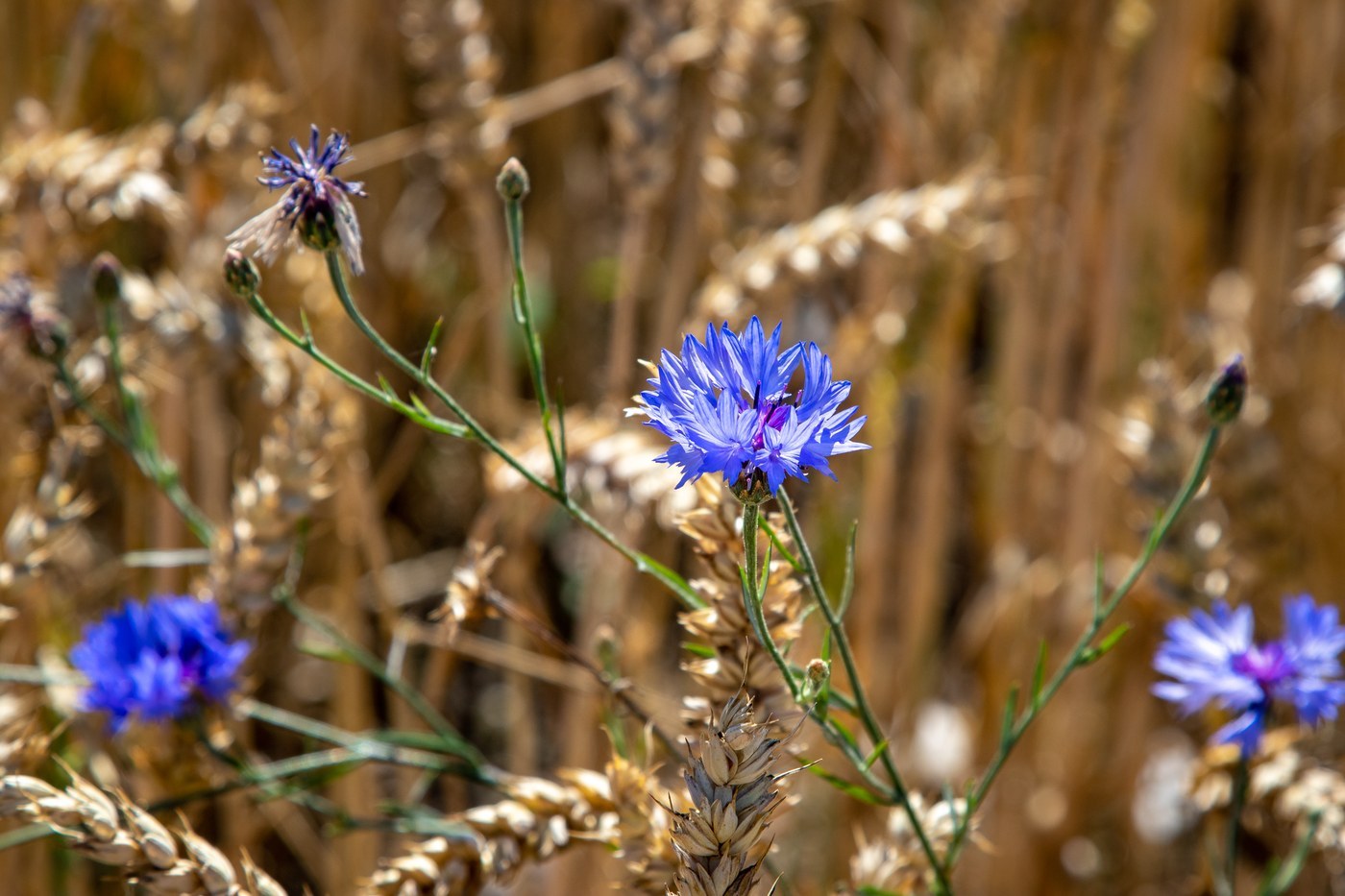
Bachelor's Button
Centaurea cyanus
Bachelor's button, or cornflower, is an easy cottage-garden annual famous for its intense true-blue, fringed flowers that are excellent for cutting.
- Light
- Full sun
- Water
- Low to moderate; drought-tolerant
- Difficulty
- Easy
Got a plant like this?
Identify any plant from a photo, free.
Overview
Bachelor's button, better known as cornflower, is a classic hardy annual celebrated for its vivid, almost electric blue blooms, though pink, purple, white, and maroon forms also exist. The ruffled, fringed flowers sit atop slender, gray-green stems.
Long a symbol in cottage gardens and a traditional buttonhole flower, it is tough, undemanding, and self-sows freely. It tolerates poor soil and cool weather, blooming from late spring into summer.
How to identify it
- Habit: Slender and upright, 1-3 ft tall
- Flowers: Fringed, thistle-like heads about 1-1.5 in across
- Colors: Intense blue (classic), plus pink, purple, white, maroon
- Leaves: Narrow, lance-shaped, gray-green, slightly downy
- Bloom time: Late spring into summer
Care & growing
Light: Full sun for best bloom and sturdy stems.
Water: Drought-tolerant once established; water moderately.
Soil: Average to poor, well-drained soil; tolerates lean ground.
Temperature: A cool-season hardy annual; can be sown in early spring or fall.
Feeding: Minimal; rich soil promotes floppy growth.
Propagation: Easy from seed sown directly; deadhead for longer bloom or leave heads to self-sow.
Habitat & origin
Native to Europe, where it was once a common weed of grain (corn) fields, giving rise to the name cornflower. Modern agriculture has made it rare in the wild in parts of its native range.
It is now grown worldwide as a garden annual and is a staple of wildflower and pollinator seed mixes, naturalizing readily in temperate climates.
Frequently asked questions
Why is it called both cornflower and bachelor's button?
Cornflower comes from its old habit of growing as a weed in European grain (corn) fields. Bachelor's button refers to its traditional use as a man's buttonhole flower.
Will bachelor's buttons come back each year?
They are annuals but self-seed reliably, so they often return from dropped seed year after year.
Can I grow cornflowers in poor soil?
Yes. They actually prefer lean, well-drained soil; overly rich ground makes them flop.
What color are bachelor's button flowers?
The classic form is an intense true blue, but pink, purple, white, and maroon-flowered selections are also widely grown.
Bachelor's Button guides
In-depth guides for identifying, growing, and caring for Bachelor's Button.
How to Care for Bachelor's Button
Grow cheerful blue Bachelor's Button from seed in full sun and lean soil for an easy, drought-tolerant cottage-garden annual.
Bachelor's Button Identification Guide
Identify Bachelor's Button (cornflower) by its intense blue fringed flower heads, slender gray-green leaves, and wiry branching stems.