
How to Care for Bald Cypress
Grow the majestic bald cypress with our care guide on sun, wet soils, watering, and pruning for a graceful deciduous conifer that loves the water.
Read the full Bald Cypress encyclopedia entry →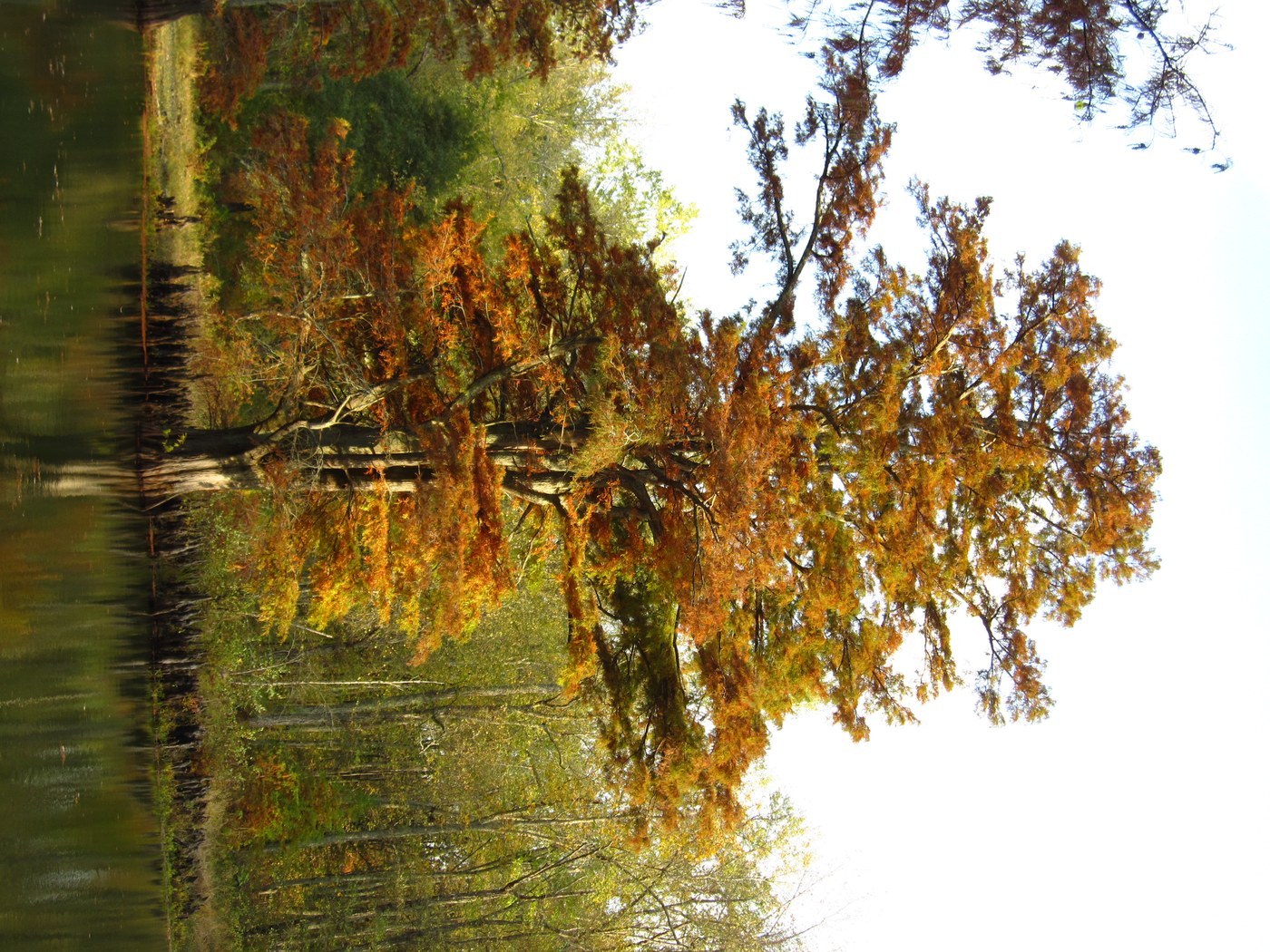
Bald cypress (Taxodium distichum) is a stately, deciduous conifer famous for thriving in swamps and along waterways, where mature trees develop distinctive knobby "knees" around their bases. Despite its wetland reputation it is remarkably adaptable and easy to grow, turning coppery-russet before dropping its feathery needles each autumn.
Light
Bald cypress demands full sun for strong, symmetrical growth. Give it at least six to eight hours of direct light daily. In too much shade the canopy thins, the trunk grows spindly, and fall color is muted. This is a large landscape tree, so site it where it can bask in open, unobstructed light.
Water
Few trees are as forgiving of wet feet. Bald cypress thrives in wet, boggy, even seasonally flooded soil and makes an ideal choice for pond edges, rain gardens, and low, poorly drained spots. Yet it is equally happy in ordinary, occasionally dry ground once established. Keep young trees generously watered while they root in; mature specimens tolerate flooding and moderate drought alike.
Soil & Potting
This tree adapts to a wide range of soils, from heavy clay to sandy loam, and tolerates compacted or waterlogged ground that would kill most conifers. It prefers acidic soil and may show yellowing foliage in very alkaline conditions. There is no need to amend heavily; simply plant into native soil and mulch the root zone. Young trees can be container-grown in a deep pot with a moisture-retentive mix.
Humidity & Temperature
Bald cypress is cold-hardy and heat-tolerant across a broad climate range, shrugging off both hard freezes and hot, humid summers. It is a true four-season performer, unfazed by high humidity near water. No special humidity management is needed outdoors.
Feeding
Established trees rarely need fertilizer. For young trees, a light spring application of a balanced slow-release fertilizer supports steady growth. On alkaline sites, an acidifying or iron-supplemented feed corrects interveinal yellowing. Avoid excessive nitrogen, which encourages weak, floppy growth.
Propagation
Bald cypress is most reliably grown from seed, which benefits from a period of cold, moist stratification and often germinates best when sown in consistently wet soil. Softwood or semi-hardwood cuttings can be rooted under mist with hormone treatment, though success is variable. Seedlings grow quickly once established in moist ground.
Repotting / Pruning
Little pruning is required beyond removing dead, damaged, or crossing branches and establishing a single strong central leader while young. Prune in late winter during dormancy. If growing a young tree in a container, pot up every couple of years into a larger, deep pot before planting out; the deep root system prefers not to be cramped.
Common Problems & Pests
Bald cypress is notably trouble-free. Occasional pests include bagworms, spider mites in hot dry spells, and cypress twig gall midge, which forms harmless galls on the foliage. Chlorosis (yellowing between the veins) points to alkaline soil and can be corrected with acidifying amendments. Its knees can be a nuisance in mown lawns; siting the tree in a bed or near water avoids conflict.
Seasonal Care Tips
Plant in spring or fall in a sunny, open spot with room to mature. Water young trees deeply through their first summers. Enjoy the soft green feathery foliage in summer and the coppery fall color before needle drop. In winter the bare, buttressed trunk and fluted base are a sculptural feature. Prune only during dormancy, and refresh mulch annually to keep the root zone cool and moist.
Frequently asked questions
Does bald cypress have to grow in water?
No. While it thrives in wet, flooded, or boggy soil, bald cypress also grows well in ordinary garden soil once established and even tolerates occasional drought. Its swamp tolerance simply makes it one of the few trees for permanently wet sites.
Is bald cypress evergreen?
No, it is a deciduous conifer. The soft needle-like foliage turns coppery-russet in autumn and drops for winter, then re-flushes bright green in spring, giving the tree four seasons of interest.
What are the knees on a bald cypress?
Knees are knobby woody projections that rise from the roots, most commonly on trees growing in wet ground. They are a natural feature; to avoid conflict with a lawn mower, plant the tree in a bed or beside water.
How big does bald cypress get?
It is a large landscape tree that can reach 50 to 70 feet or more over time, with a narrow pyramidal crown when young that broadens with age. Give it plenty of open space and full sun.