Bald Cypress
Taxodium distichum
A deciduous conifer of southern swamps, famous for its feathery foliage, buttressed trunk, and 'knees' that poke up from the water. Drops its needles in fall, hence 'bald.'
- Light
- Full sun
- Water
- Ample; thrives in wet/flooded soil
- Difficulty
- Easy
Got a plant like this?
Identify any plant from a photo, free.
Overview
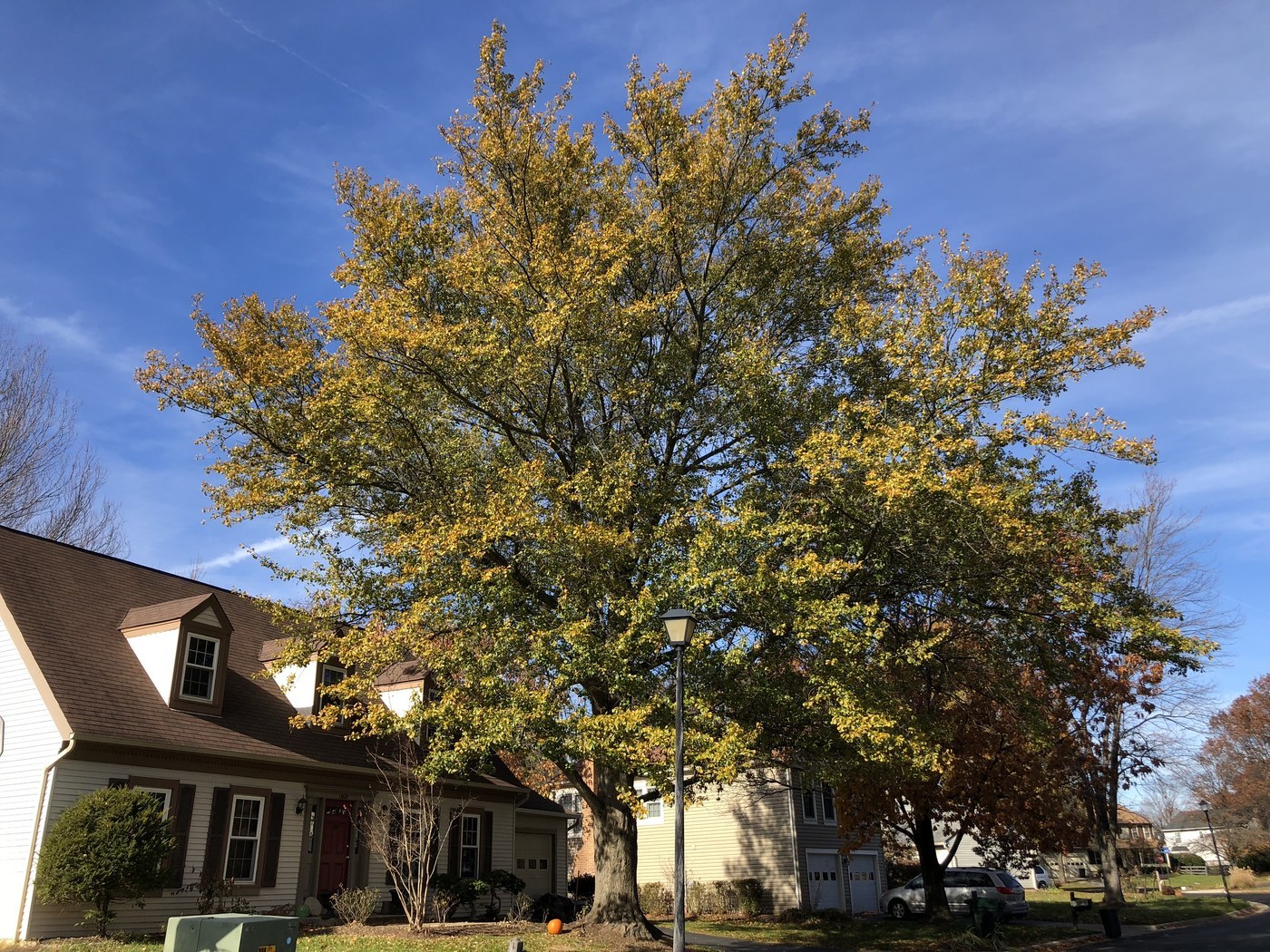
Bald cypress is a large, long-lived deciduous conifer native to the southeastern United States, an icon of southern swamps and bayous. Unlike most conifers, it sheds its soft, feathery needles each autumn—earning the name 'bald.'
Growing in standing water, it develops a swollen, fluted, buttressed trunk base and produces distinctive woody 'knees' (pneumatophores) that project up from the root system around it.
Despite its swamp origins, it is remarkably adaptable and grows well in ordinary, even dry, landscape soils, making it a tough and beautiful ornamental.
How to identify it
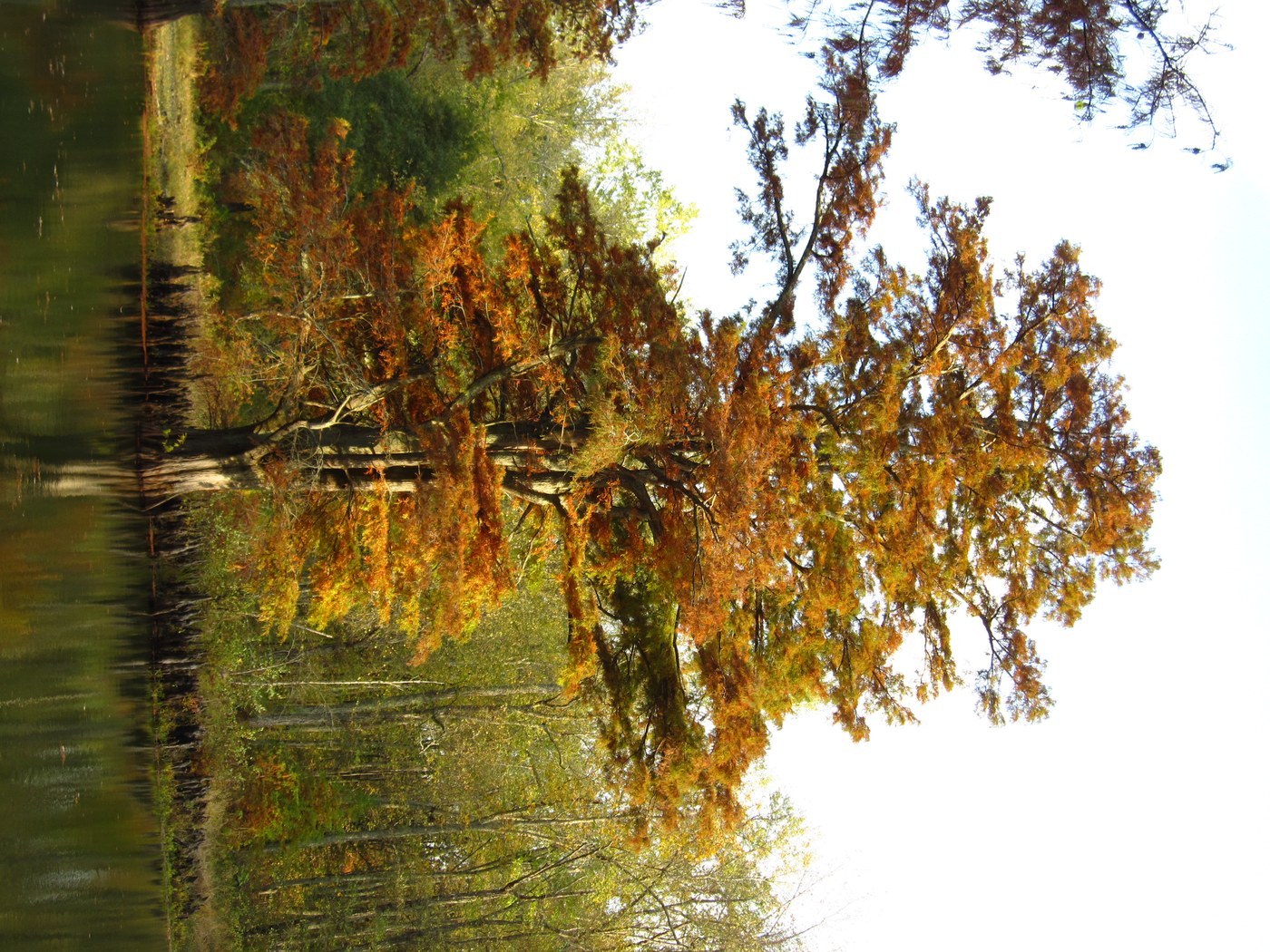
- Foliage: soft, feathery, needle-like leaves arranged in flat, featherlike sprays; bright green turning russet-orange/cinnamon before dropping in fall
- Trunk: tapered with a buttressed, fluted base, especially when grown in water; reddish-brown fibrous bark
- Knees: woody, knobby 'cypress knees' rising from roots in wet sites
- Cones: small, round, woody cones about 1 in across
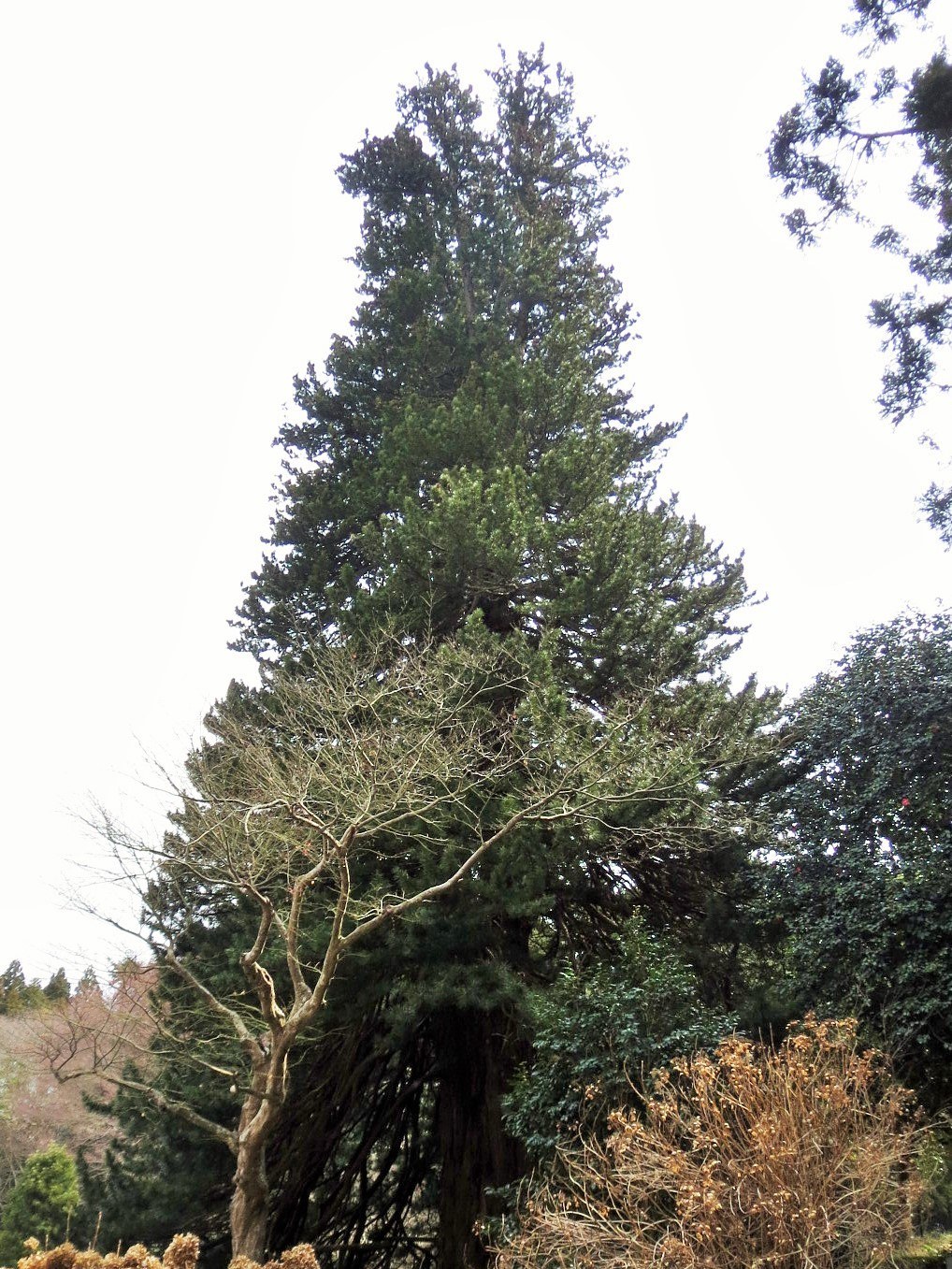
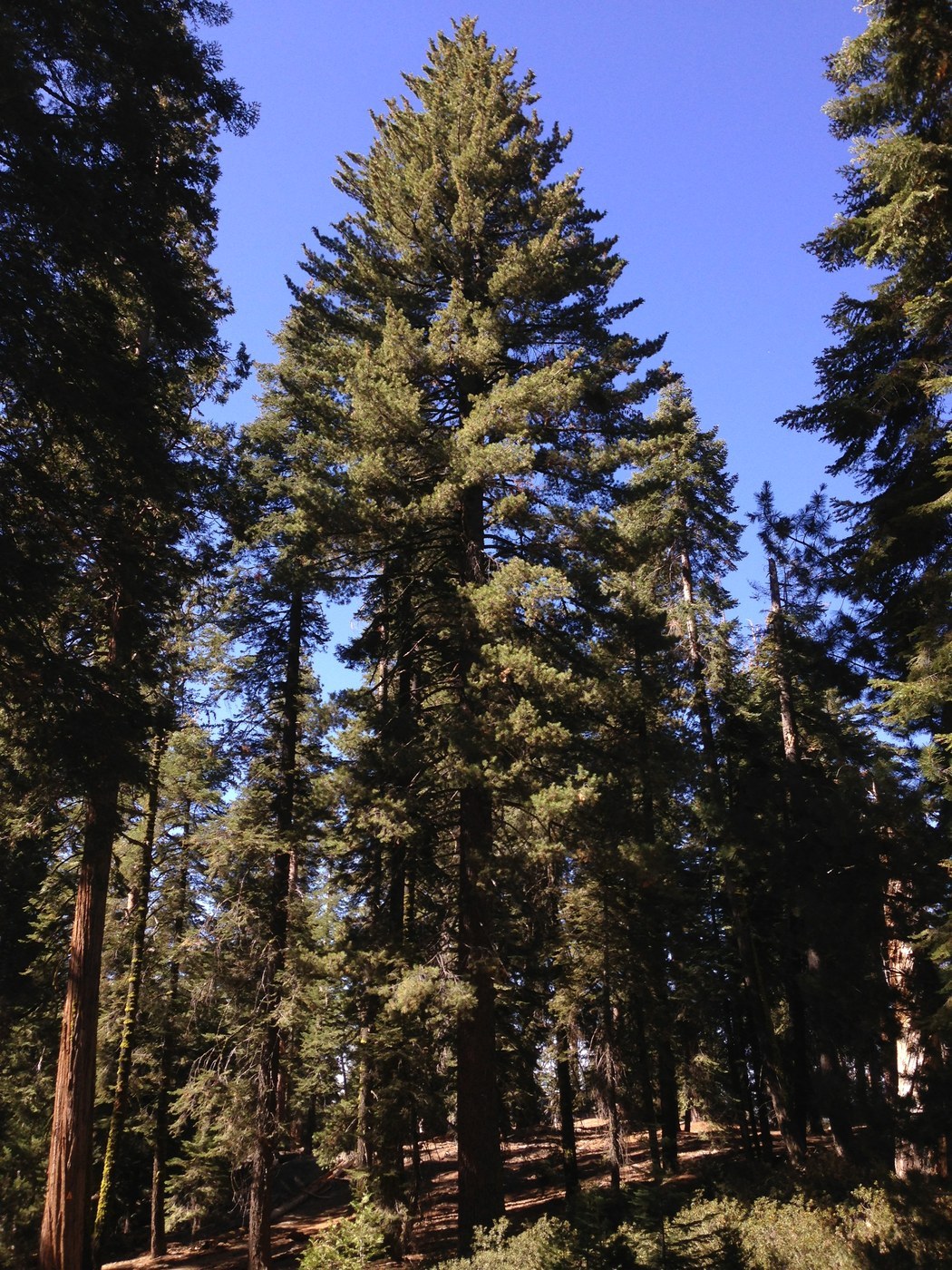
- Size: 50-70 ft tall (occasionally over 100 ft) with a pyramidal to broad crown
Care & growing
- Light: full sun
- Water: extremely adaptable—thrives in flooded swamps yet also tolerates average and even fairly dry soils once established
- Soil: prefers acidic, moist soil; can develop chlorosis in very alkaline soil
- Temperature: hardy in USDA zones 4-10
- Feeding: rarely needed
- Propagation: from seed (needs wet stratification) or cuttings
- Note: 'knees' usually form only in wet sites; in normal lawns they rarely appear
Habitat & origin
Native to the southeastern United States, from Delaware south through Florida and west along the Gulf Coast into Texas, extending up the Mississippi River valley.
It dominates river swamps, bayous, floodplains and the edges of lakes, where it tolerates prolonged flooding. Widely planted far beyond its native range as a durable ornamental and street tree because it adapts surprisingly well to dry, compacted urban soils.
Frequently asked questions
Is bald cypress an evergreen?
No. It is a deciduous conifer—it produces needles like a pine but drops them each fall after they turn coppery-orange, which is why it is called 'bald.'
Will it grow if I don't have a swamp?
Yes. Although it grows in standing water, bald cypress thrives in ordinary garden soil and even tolerates dry, compacted urban sites once established.
What are cypress knees?
They are woody projections (pneumatophores) that grow up from the roots, mainly in wet conditions. In normal yard soil they usually don't form.
Does bald cypress make a good street tree?
Surprisingly, yes—it is tough, adaptable, pest-resistant and tolerant of poor urban soils, making it an increasingly popular shade and street tree.
Bald Cypress guides
In-depth guides for identifying, growing, and caring for Bald Cypress.
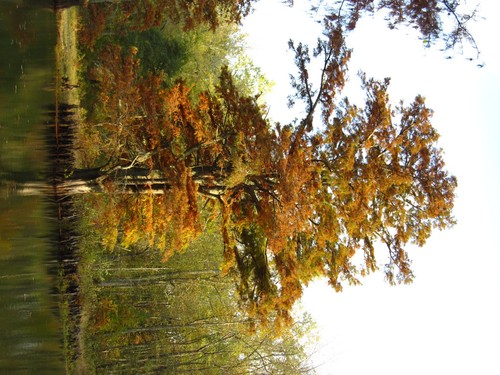
How to Care for Bald Cypress
Grow the majestic bald cypress with our care guide on sun, wet soils, watering, and pruning for a graceful deciduous conifer that loves the water.
Bald Cypress Identification Guide
How to identify bald cypress (Taxodium distichum) by its feathery deciduous needles, swollen fluted base, and woody 'knees' in swamps.