
How to Care for Balloon Flower
Grow Balloon Flower (Platycodon grandiflorus), an easy perennial with puffed buds that pop open into starry blue blooms.
Read the full Balloon Flower encyclopedia entry →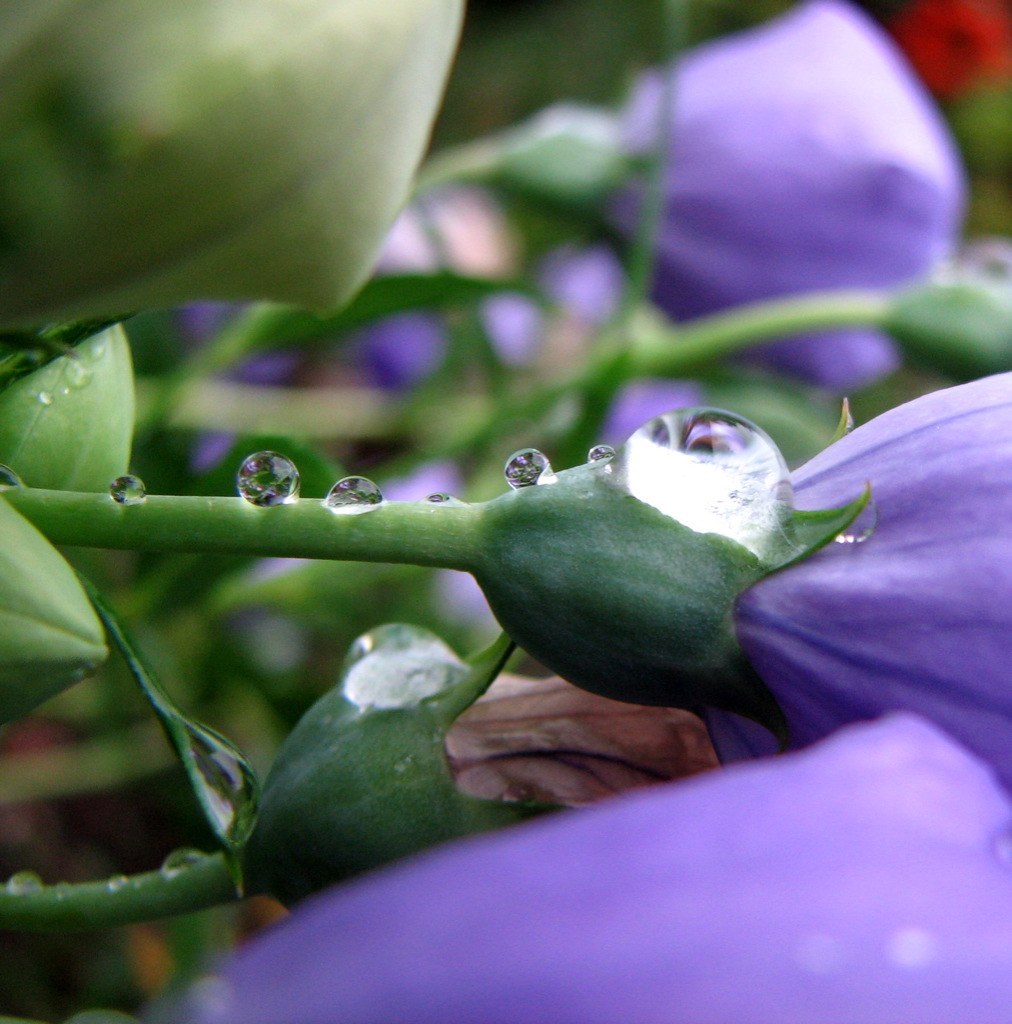
Balloon Flower (Platycodon grandiflorus) is a charming, long-lived perennial named for its inflated balloon-like buds that burst open into star-shaped blooms in blue, white, or pink. It is an easy, reliable border plant that thrives in sun to part shade with steady moisture.
Light
Balloon Flower performs best in full sun to part shade. In cooler climates give it full sun for the sturdiest stems and heaviest bloom; in hot-summer regions, a little afternoon shade prevents scorch and keeps flowers fresh longer. Too much shade makes plants floppy and reduces flowering.
Water
Water moderately and aim to keep the soil evenly moist, especially through the first season and during dry spells. Established plants tolerate brief dryness but bloom best with consistent moisture. Avoid waterlogging, which can rot the fleshy taproot; a light mulch helps hold even moisture without keeping the crown soggy.
Soil & Potting
Provide loose, fertile, well-drained soil with a neutral to slightly acidic pH. Balloon Flower forms a deep taproot, so deep, loose soil suits it and makes it resent transplanting once established. Work in compost at planting for fertility and structure. In containers, use a rich, free-draining potting mix and a fairly deep pot.
Humidity & Temperature
A hardy temperate perennial, Balloon Flower thrives in USDA zones 3-8 and handles cold winters with ease, dying back to the ground and returning in late spring. It prefers moderate temperatures and needs no special humidity. Note that it emerges late in spring, so mark its spot to avoid disturbing dormant roots.
Feeding
Feed lightly. A spring application of balanced slow-release fertilizer or a topdressing of compost as growth resumes is usually plenty. Avoid heavy nitrogen, which encourages weak, floppy stems and fewer flowers. Overfeeding is unnecessary for this undemanding plant.
Propagation
Balloon Flower is easily grown from seed sown in spring; seedlings often bloom in their second year. Because of the deep taproot it divides poorly, but careful division of the crown in spring is possible. Basal stem cuttings taken in early summer can also be rooted. Self-sown seedlings frequently appear around established clumps.
Repotting / Pruning
Repot or transplant only when necessary and do it in spring, digging deeply to preserve the taproot. Deadhead spent flowers to prolong bloom and keep plants tidy. Tall varieties may need staking or can be pinched back by about half in late spring for bushier, self-supporting growth. Cut stems back after frost or leave them for winter interest.
Common Problems & Pests
Balloon Flower is generally trouble-free. The main risk is crown or root rot in soggy, poorly drained soil, so avoid overwatering. Occasional pests include slugs and snails on new growth, and aphids on buds. Powdery mildew or leaf spot may appear in humid, crowded conditions; improve airflow and spacing to prevent it.
Seasonal Care Tips
Be patient in spring since it emerges late, marking its location. Deadhead through summer for continued bloom and stake or pinch tall types early. Water steadily during heat and dry spells. Cut back or tidy foliage after it dies down in fall, and apply a light winter mulch in the coldest zones.
Frequently asked questions
Why has my Balloon Flower not come up yet in spring?
It is naturally one of the last perennials to emerge, often waiting until late spring. Mark its spot so you do not accidentally dig up or overplant the dormant roots.
Can I divide Balloon Flower?
It is possible but tricky because of the deep, brittle taproot that resents disturbance. Divide carefully in spring if needed, or propagate more reliably from seed or basal cuttings.
How do I keep Balloon Flower from flopping?
Grow it in enough sun, avoid heavy nitrogen feeding, and pinch tall stems back by about half in late spring or stake them. Afternoon shade in hot climates also helps stem strength.
Will deadheading make it bloom longer?
Yes. Removing spent flowers regularly encourages more buds and extends the blooming season through much of summer while keeping the plant tidy.