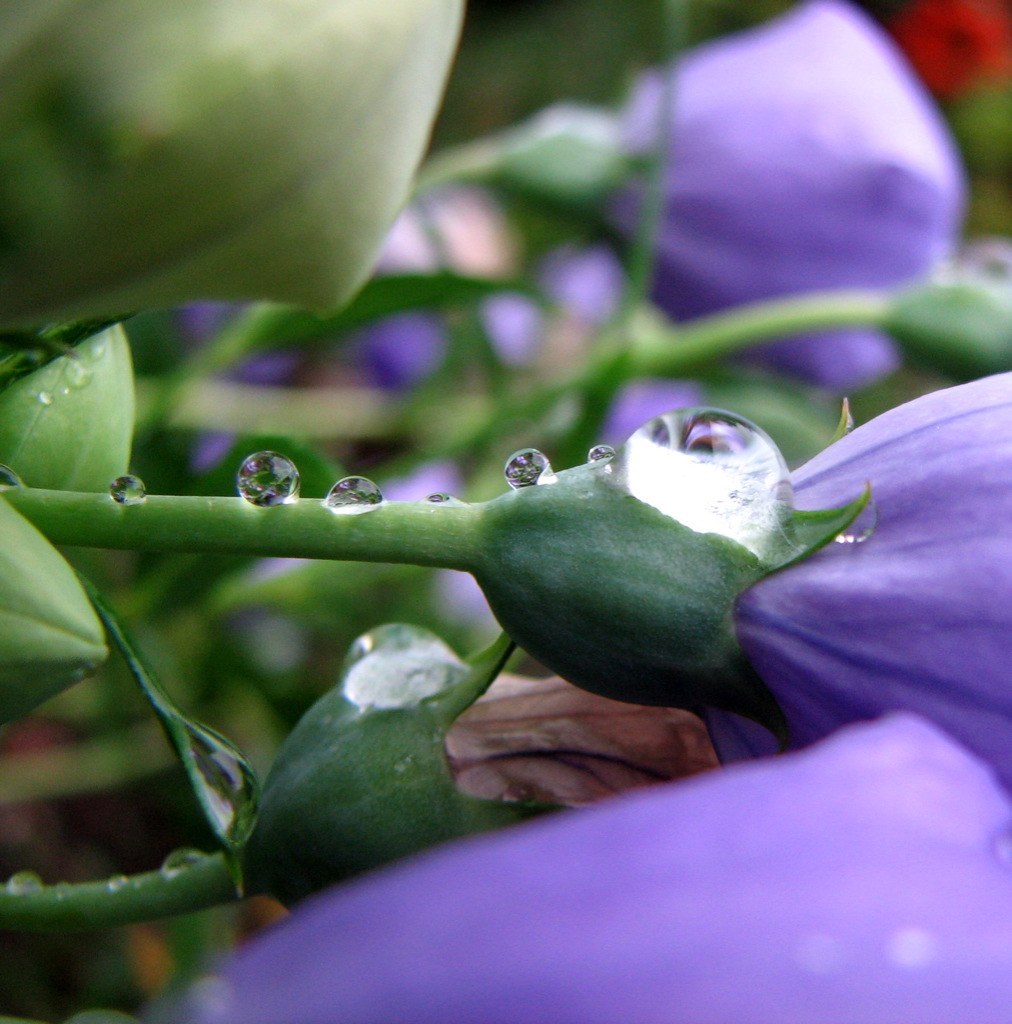
Balloon Flower
Platycodon grandiflorus
Balloon flower is a long-lived perennial named for its puffy, balloon-like buds that pop open into star-shaped blue, pink or white blooms. It is an easy, deer-resistant plant that flowers reliably through summer.
- Light
- Full sun to part shade
- Water
- Moderate; keep evenly moist
- Difficulty
- Easy
Got a plant like this?
Identify any plant from a photo, free.
Overview
Balloon flower (Platycodon grandiflorus) is the sole species in its genus, a member of the bellflower family native to East Asia. Its signature feature is the way its inflated, balloon-shaped buds swell before bursting open into broad, star-shaped flowers.
It is a clump-forming herbaceous perennial that is exceptionally long-lived and low-maintenance, with blue-violet being the classic color alongside pink and white forms.
Balloon flower is slow to emerge in spring, so gardeners often mark its spot to avoid disturbing the roots.
How to identify it
The inflated buds are unmistakable.
- Buds: Puffy, five-sided, balloon-like buds before opening
- Flowers: Broad, five-pointed star-shaped blooms about 2-3 in across in blue-violet, pink, or white
- Leaves: Oval to lance-shaped, toothed, blue-green, arranged alternately or in whorls
- Habit: Upright clumps 1-2.5 ft tall; dwarf forms exist
- Sap: Stems exude a milky sap when cut
Care & growing
Very easy and undemanding.
- Light: Full sun to partial shade; light shade helps in hot regions
- Water: Moderate, even moisture; tolerates short dry spells once established
- Soil: Rich, well-drained, slightly acidic soil; dislikes wet feet
- Temperature: Hardy in USDA zones 3-8
- Feeding: Light feeding in spring is sufficient
- Propagation: Best from seed; division is risky because of the brittle taproot
- Tip: Tall types may need staking; deadhead to prolong bloom. Emerges late, so mark the spot
Habitat & origin
Balloon flower is native to East Asia, including China, Korea, Japan, and eastern Siberia, where it grows in sunny mountain meadows, grassland, and forest clearings.
It is widely cultivated as an ornamental in temperate gardens worldwide.
Frequently asked questions
Why isn't my balloon flower coming up in spring?
Balloon flower is one of the last perennials to emerge. Be patient and mark its location so you don't accidentally dig it up.
Can I divide balloon flower?
It's best not to. The plant has a brittle taproot that resents disturbance, so propagate from seed instead.
Why are the buds shaped like balloons?
The fused petals inflate with trapped air as the bud develops, creating the signature balloon look before they split open into a star.
Is balloon flower deer resistant?
Yes, it is generally deer and rabbit resistant, making it a good choice for gardens with browsing pressure.
Balloon Flower guides
In-depth guides for identifying, growing, and caring for Balloon Flower.
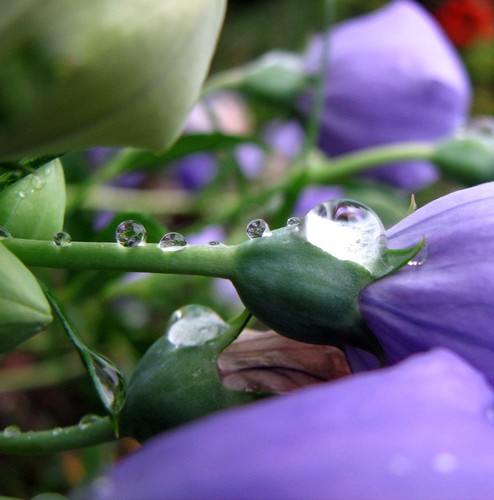
How to Care for Balloon Flower
Grow Balloon Flower (Platycodon grandiflorus), an easy perennial with puffed buds that pop open into starry blue blooms.
Balloon Flower Identification Guide
How to identify balloon flower (Platycodon grandiflorus) by its inflated balloon-like buds that pop open into broad five-pointed star bells.