
Balloon Flower Identification Guide
How to identify balloon flower (Platycodon grandiflorus) by its inflated balloon-like buds that pop open into broad five-pointed star bells.
Read the full Balloon Flower encyclopedia entry →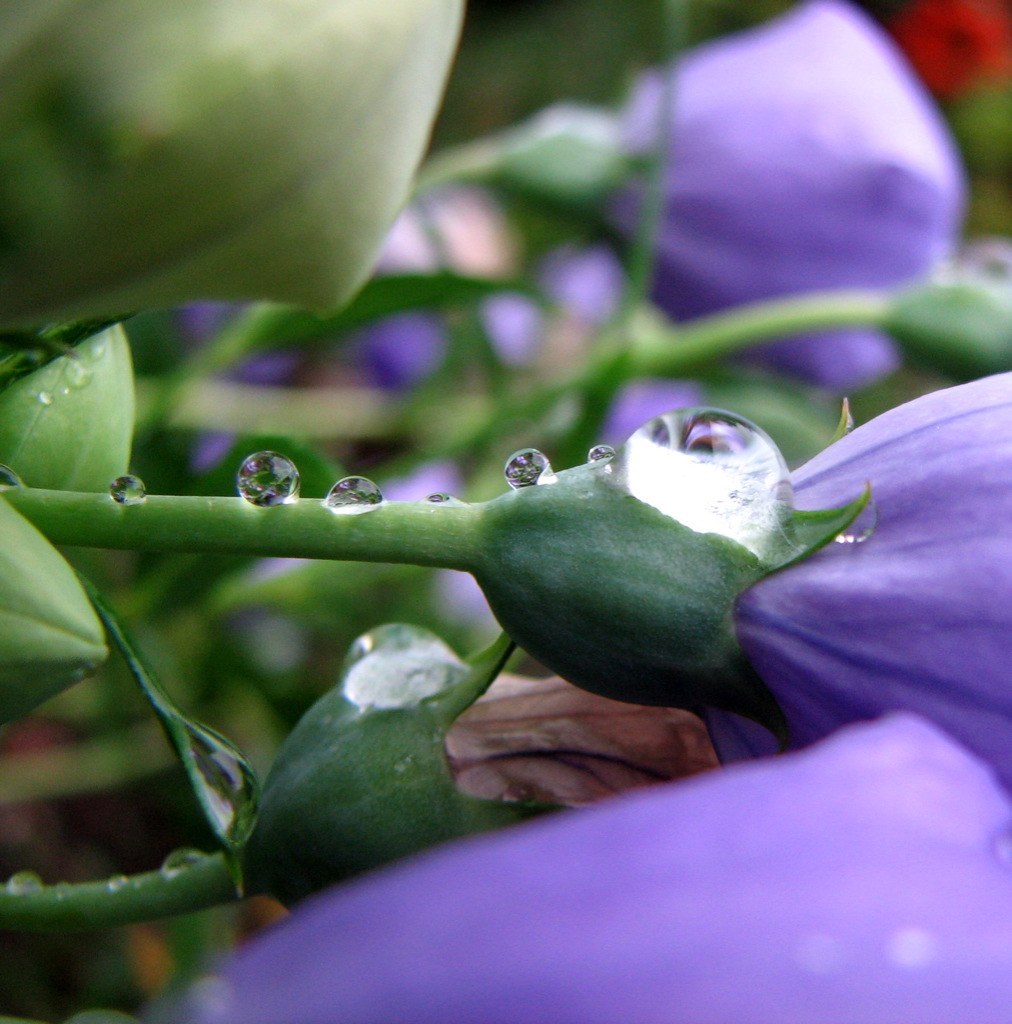
Key Identifying Features
Balloon flower (Platycodon grandiflorus) is a clump-forming perennial in the bellflower family (Campanulaceae) and the only species in its genus. Its name comes from the flower buds, which swell into puffy, balloon-like, hollow pods before splitting open. When they open they form a broad, upward-facing, five-pointed star bell.
- Unmistakable inflated, balloon-shaped buds
- Open flowers a wide five-lobed star-bell, usually facing up or out
- Color most often violet-blue, also white and pink, with darker veining
- Plant exudes milky white sap when cut (typical of the family)
Leaves & Stems
Stems are erect, 30–80 cm tall, smooth and often slightly blue-green. Leaves are oval to lance-shaped with sharply toothed margins, blue-green above and paler beneath, arranged alternately to nearly whorled on the upper stem. Broken stems and leaves release a milky latex. The plant grows from a thick fleshy taproot and emerges late in spring.
Flowers & Fruit
The defining stage is the bud: it inflates like a tiny paper balloon or lantern with visible ridged seams, then bursts open. The opened flower is 5–8 cm across, with five fused, pointed lobes forming a shallow upward-facing bell, prominent dark veins, and a central five-branched style. After flowering, fruit is a dry capsule that releases small seeds. Blue, white, and pink forms exist, plus semi-double types.
How to Tell It Apart from Look-Alikes
- Bellflowers (Campanula): closest relatives, but their buds are not inflated like balloons, and flowers are usually nodding tubular bells rather than flat upward stars.
- Gentians: also have blue upward bells, but lack the balloon bud, lack milky sap, and have opposite untoothed leaves.
- Platycodon vs. Chinese bellflower (doraja): these are the same plant, simply known by different common names in different regions.
Where You'll Find It
Balloon flower is a popular garden border and rock-garden perennial, thriving in full sun to light shade and well-drained soil. Native to East Asia (China, Korea, Japan, eastern Russia), it grows wild on grassy slopes and mountain meadows and is widely cultivated. It blooms mid- to late summer.
Quick ID Checklist
- Balloon-like inflated buds before opening
- Open flower a broad 5-pointed star-bell, usually upward-facing
- Color violet-blue (also white/pink) with dark veins
- Milky sap from cut stems
- Toothed, blue-green oval leaves; clump 30–80 cm tall
Frequently asked questions
What makes the buds look like balloons?
The five petals are fused at the edges as the bud develops, trapping air inside so the bud puffs up into a hollow, balloon- or lantern-like pod before the seams finally split open.
How is balloon flower different from a bellflower (Campanula)?
They are close relatives, but Campanula buds are not inflated and its flowers are usually nodding tubular bells. Balloon flower has the distinctive balloon bud and a broad, upward-facing five-pointed star bell.
Is the milky sap a useful clue?
Yes. Broken stems and leaves ooze a milky white latex, which is typical of the bellflower family and helps confirm the plant alongside the balloon buds.
When does balloon flower bloom and emerge?
It is slow to appear in spring, emerging late from a fleshy taproot, then blooms through mid- to late summer. Knowing it emerges late prevents mistaking it for a dead plant early in the season.