
How to Care for Balsam Fir
Growing guide for balsam fir (Abies balsamea): cool moist soil, full sun to part shade, acidic ground, and patient, low-maintenance care.
Read the full Balsam Fir encyclopedia entry →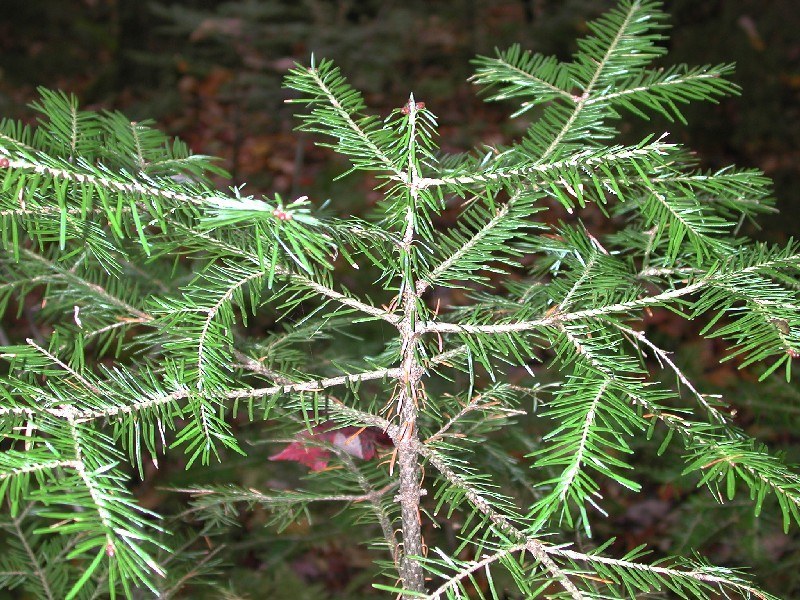
Balsam fir (Abies balsamea) is a narrow, spire-shaped evergreen conifer with fragrant, flat needles and a classic Christmas-tree silhouette. It is a moderate grower to site correctly, rewarding you with dense, aromatic foliage where summers stay cool.
Light
Balsam fir grows well in full sun to part shade. Full sun gives the densest, most symmetrical form, while young trees actually appreciate some light shade. In hot-summer regions, afternoon shade and cool roots matter more than maximum light.
Water
Keep the soil consistently moist and cool. Balsam fir is shallow-rooted and intolerant of drought, so water deeply and regularly, especially during the first few years and in dry spells. A thick organic mulch (bark or needle litter) over the root zone is essential to conserve moisture and moderate soil temperature. It will not tolerate prolonged dryness.
Soil & Potting
Plant in moist, well-drained, acidic soil rich in organic matter. It naturally favors cool, damp, loamy-to-peaty ground and resents alkaline or compacted soils. Amend poor sites generously with compost or peat. Good drainage still matters, since standing water around the roots invites rot.
Humidity & Temperature
This is a cold-climate, northern conifer that thrives where winters are long and summers cool and humid. It is very cold-hardy but struggles with heat, drought, and hot urban conditions. Choose a sheltered spot with cool root run; it is not suited to hot, dry southern gardens.
Feeding
Balsam fir needs little feeding. A spring topdressing of compost or a light application of an acid-formulated, slow-release evergreen fertilizer supports steady growth. Avoid heavy nitrogen and never feed late in the season, which can push tender growth vulnerable to cold.
Propagation
Balsam fir is grown mainly from seed, which benefits from a period of cold, moist stratification before spring sowing. Germination and early growth are slow, requiring patience. Named dwarf and ornamental forms are usually grafted rather than grown from seed or cuttings, which root poorly.
Repotting / Pruning
Firs need minimal pruning; their natural pyramidal shape is the main attraction. Remove any dead, damaged, or crossing branches in late winter, and lightly shear new candle growth in late spring only if you want a denser tree. Avoid cutting into old bare wood, as firs rarely resprout from it.
Common Problems & Pests
Balsam woolly adelgid and spruce budworm are the most serious pests, along with occasional bark beetles, aphids, and spider mites in stressed trees. Root rots develop in poorly drained or waterlogged soil, and heat or drought stress causes needle browning and thinning. Keeping roots cool, moist, and mulched is the best defense.
Seasonal Care Tips
Spring: mulch, topdress with compost, and shear candles if shaping. Summer: keep soil moist and cool, watch for adelgid and mite activity, and never let the root zone dry out. Fall: reduce feeding, maintain moisture into the first frosts. Winter: the tree is dormant and cold-hardy; protect young trees from drying winter winds and heavy snow load.
Frequently asked questions
Why are my balsam fir's needles turning brown?
Usually heat or drought stress on its shallow roots, or poorly drained soil. Keep the root zone cool and evenly moist with a thick mulch and deep, regular watering, especially in summer.
Does balsam fir tolerate hot climates?
Not well. It is a cool, northern conifer that struggles with heat and drought. In warm regions give it afternoon shade and constant cool, moist soil, but it generally performs best where summers stay cool.
How much should I prune a balsam fir?
Very little. Its natural spire shape is the appeal. Remove only dead or damaged branches in late winter, and lightly shear new spring candles if you want denser growth. Avoid cutting into old bare wood.
What kind of soil does balsam fir need?
Moist, well-drained, acidic soil high in organic matter. Amend with compost or peat and avoid alkaline, compacted, or waterlogged ground.