
How to Care for Baobab Tree
Grow the iconic Baobab Tree (Adansonia digitata) in full sun with fast-draining soil and sparing water; a drought-tough specimen or bonsai.
Read the full Baobab Tree encyclopedia entry →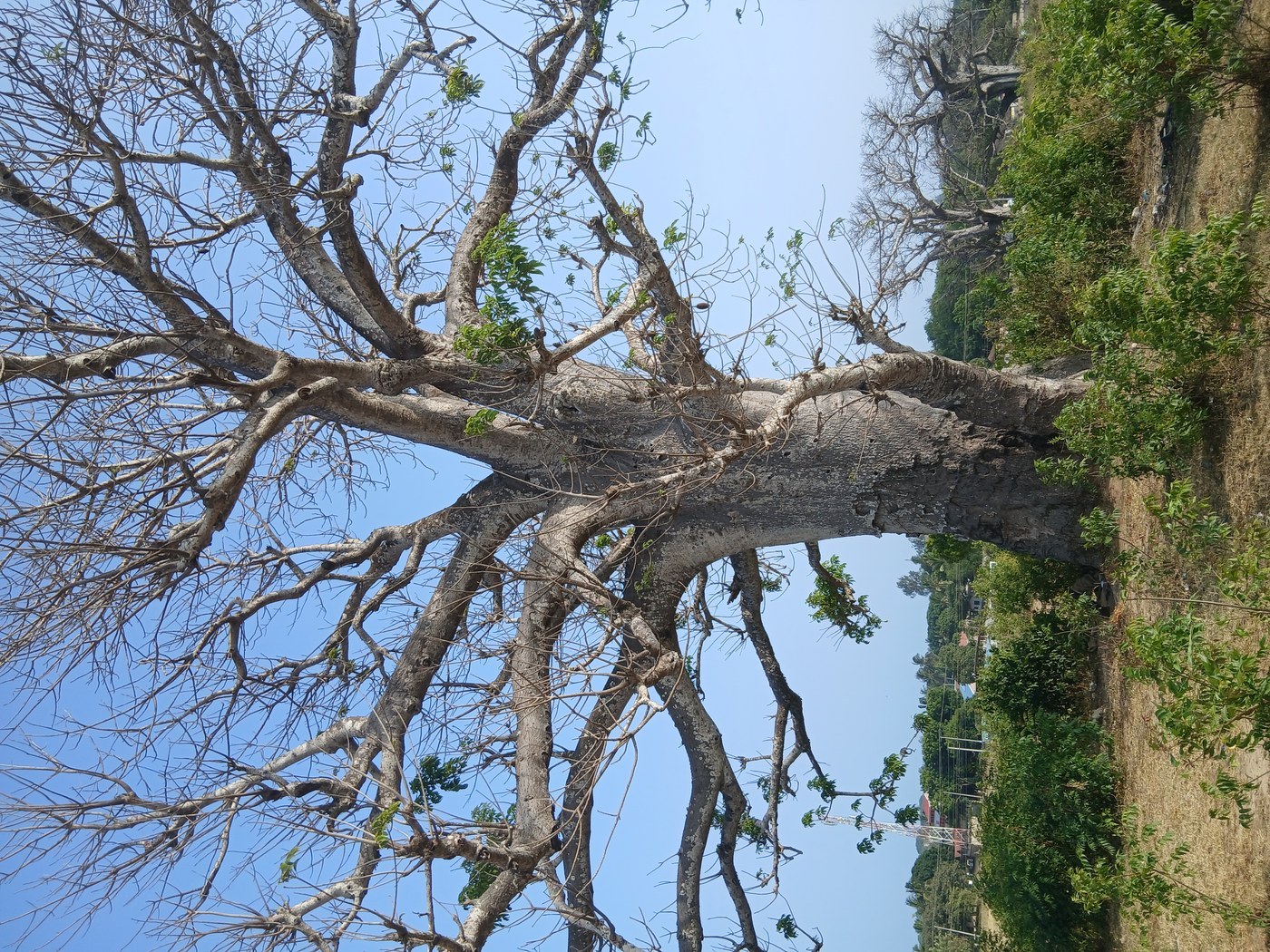
The Baobab (Adansonia digitata) is the iconic swollen-trunked tree of African savannas, storing water in its massive caudex and dropping its leaves during dry spells. It is a slow, long-lived succulent tree that many growers keep as a potted specimen or caudex bonsai, and it demands sun, warmth, and very careful watering.
Light
Give Baobab as much light as possible: full, direct sun for at least 6-8 hours daily. It is a savanna tree adapted to intense sunlight and will not thrive in shade, where it grows weak and etiolated. Indoors, place it at the brightest south-facing window and supplement with a strong grow light, and give young plants a bright spot to build sturdy trunks.
Water
Water low and infrequently; this is a drought-tolerant water-storing tree that rots easily if kept wet. During the warm growing season when it is in leaf, water thoroughly and then let the soil dry out almost completely before watering again. As days shorten and it drops its leaves, cut water drastically. When fully leafless and dormant, keep it nearly bone dry, giving only an occasional sip to prevent total shriveling. Overwatering, especially in cool conditions, is the fastest way to kill a Baobab.
Soil & Potting
Use a very fast-draining, gritty mineral mix such as a cactus and succulent blend heavily amended with coarse sand, pumice, or perlite. Excellent drainage is essential to protect the water-storing trunk and roots from rot. Always use a pot with generous drainage holes; unglazed terracotta helps excess moisture evaporate. A somewhat snug pot is fine and can encourage a fatter caudex.
Humidity & Temperature
Baobab loves heat and low to moderate humidity. Keep it warm, ideally 20-35 C (68-95 F) during active growth, and never expose it to frost, which it cannot survive. Below about 10 C (50 F) it should be dry and dormant. If grown outdoors in a warm climate, bring it in before cold weather; otherwise treat it as a greenhouse or indoor sun-room plant in temperate regions.
Feeding
Feed sparingly during the active growing season only. A diluted, balanced or low-nitrogen fertilizer once a month while in full leaf supports steady growth. Do not feed while the tree is leafless and dormant. Excess fertilizer can cause weak, floppy growth rather than the thick trunk most growers want.
Propagation
Baobab is most commonly grown from seed. The hard seed coat benefits from scarification (nicking or lightly sanding) and a warm soak before sowing in a warm, gritty medium; germination can be erratic but seedlings grow surprisingly fast in their first years and quickly form a swollen base. Cuttings are possible but often produce plants without the prized bottle-shaped caudex, so seed is preferred for that classic form.
Repotting / Pruning
Repot young, fast-growing plants every 1-2 years in spring to refresh the mix and accommodate the thickening trunk; mature specimens need repotting less often. Handle the fleshy roots gently and let the plant settle a few days before watering after repotting. Prune in the growing season to shape the canopy or to train it as a bonsai; the tree tolerates pruning well and branches will resprout.
Common Problems & Pests
The overwhelming risk is rot from overwatering or cold, wet soil, shown by a soft, mushy trunk or blackening base. Prevent it with gritty soil, careful watering, and warmth. Under glass, watch for spider mites, mealybugs, and scale, treating with insecticidal soap or neem oil. Sudden leaf drop is often just the natural dry-season dormancy response, not a problem, as long as the trunk stays firm.
Seasonal Care Tips
In spring and summer, the tree leafs out and grows actively, so give it maximum sun, regular deep-but-spaced watering, and monthly feeding. As fall arrives and leaves yellow and drop, taper off water and stop feeding to ease it into dormancy. Through winter, keep it warm and dry with minimal water, and resume normal care only when new leaves appear and temperatures rise again.
Frequently asked questions
Why did my Baobab drop all its leaves?
Baobabs are deciduous and naturally shed their leaves for the dry season or winter dormancy. As long as the trunk stays firm, this is normal; simply reduce watering while it is leafless and resume when new growth appears.
How often should I water a potted Baobab?
Water thoroughly only when in full leaf during the warm season, letting the soil dry almost completely between waterings. Keep it nearly dry while dormant and leafless, as overwatering causes trunk rot.
Can I grow a Baobab indoors?
Yes, especially as a young plant or caudex bonsai, provided you give it the brightest possible sun-filled window or strong grow lights, fast-draining soil, and warm temperatures year-round.
How do I get a thick, bottle-shaped trunk?
Grow from seed in bright light with restrained watering and modest feeding. Strong sun, a snug gritty pot, and avoiding excess nitrogen encourage the swollen water-storing caudex rather than thin, leggy growth.