Baobab Tree
Adansonia digitata
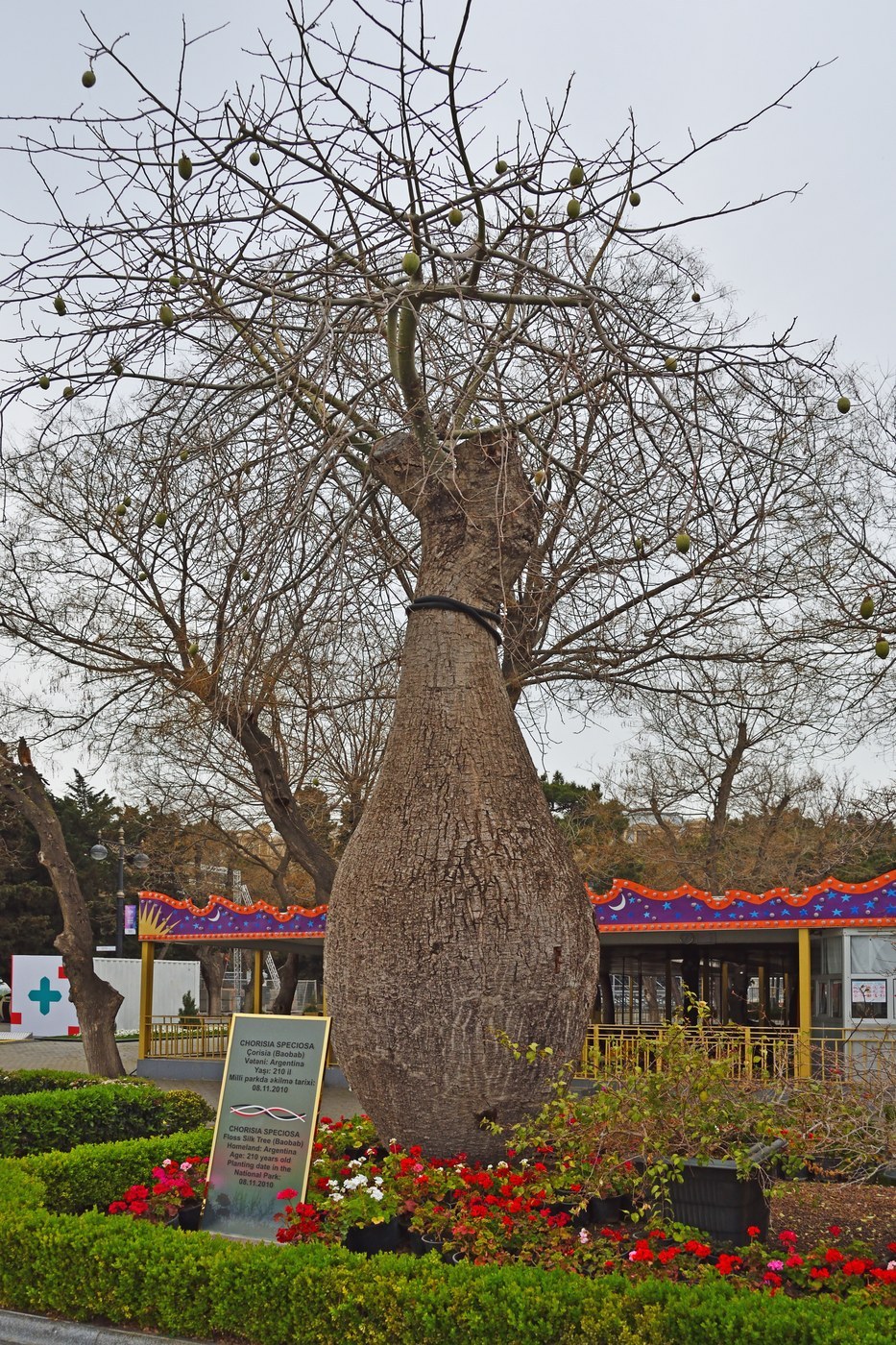
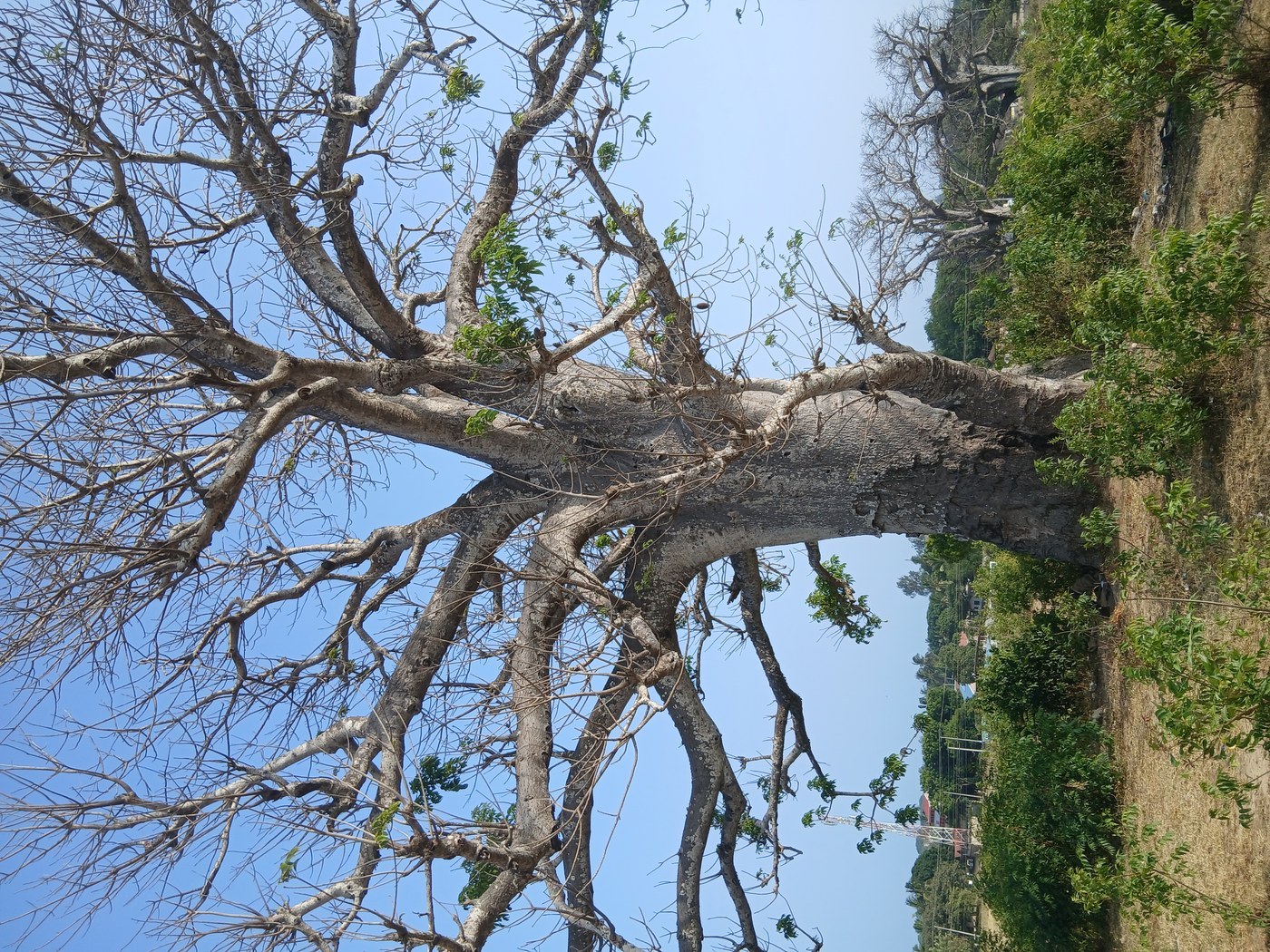
The baobab is an iconic African tree with a massive, swollen, water-storing trunk and stout branches that look like roots, earning it the name upside-down tree. Some specimens live over a thousand years.
- Light
- Full sun
- Water
- Low; very drought-tolerant
- Difficulty
- Moderate
Got a plant like this?
Identify any plant from a photo, free.
Overview
The baobab, Adansonia digitata, is one of the most recognizable trees on Earth, with an enormously thick, bottle-shaped trunk that stores water and a sparse crown of thick branches that resemble roots, hence "upside-down tree."
Baobabs are extremely long-lived, with some African specimens estimated at well over 1,000 years old, and they swell and shrink as they store and use water through long dry seasons.
They produce large white night-blooming flowers and big pendulous fruits. The genus Adansonia includes eight species in Africa, Madagascar and Australia; this entry covers the widespread African baobab.
How to identify it
- Trunk: massively swollen, often bottle- or barrel-shaped, sometimes over 30 ft in diameter, with smooth grey bark
- Branches: thick, stubby and root-like, forming a sparse flat-topped crown
- Leaves: palmately compound with 5-7 leaflets (digitate), shed in the dry season
- Flowers: large, white, waxy, pendulous, opening at night and pollinated by bats
- Fruit: large, hard-shelled, gourd-like pods covered in velvety hairs, containing seeds in chalky-white pulp
Care & growing
Light: full sun.
Water: very drought-tolerant; water sparingly, allowing the soil to dry, as the trunk stores water and rot is a risk in wet conditions.
Soil: sharply drained, sandy or rocky soil; never waterlogged.
Temperature: strictly frost-free, tropical to subtropical (USDA zones 10-12); young plants are very frost-sensitive.
Feeding: minimal.
Propagation: from seed (scarified or soaked); young baobabs are popular as bonsai and caudiciform container plants.
Note: extremely slow to reach the iconic massive form.
Habitat & origin
Adansonia digitata is native to the hot, dry savannas and bushland of sub-Saharan Africa, from the Sahel to South Africa, and has been spread by people to other tropical regions.
It is a keystone tree of African dry landscapes, often standing as a solitary landmark, and is grown as a curiosity, bonsai or specimen in frost-free climates worldwide.
Frequently asked questions
Why is the baobab called the upside-down tree?
When leafless in the dry season, its stout, twiggy branches look like a root system, giving the impression of a tree planted upside down.
How old can baobabs get?
They are among the longest-lived trees, with some African baobabs radiocarbon-dated at well over 1,000 years, and a few estimated over 2,000.
Can I grow a baobab in a pot?
Yes, baobabs are popular caudiciform and bonsai subjects when young. They need full sun, very sharp drainage, sparing water and protection from frost.
Baobab Tree guides
In-depth guides for identifying, growing, and caring for Baobab Tree.
How to Care for Baobab Tree
Grow the iconic Baobab Tree (Adansonia digitata) in full sun with fast-draining soil and sparing water; a drought-tough specimen or bonsai.
Baobab Tree Identification Guide
Identify the baobab (Adansonia) by its massively swollen barrel trunk, sparse root-like branches, palmate leaves, and large white night-blooming flowers.