How to Care for Barberry
Growing guide for Barberry (Berberis thunbergii), a tough, colorful thorny shrub for full sun with excellent drought tolerance.
Read the full Barberry encyclopedia entry →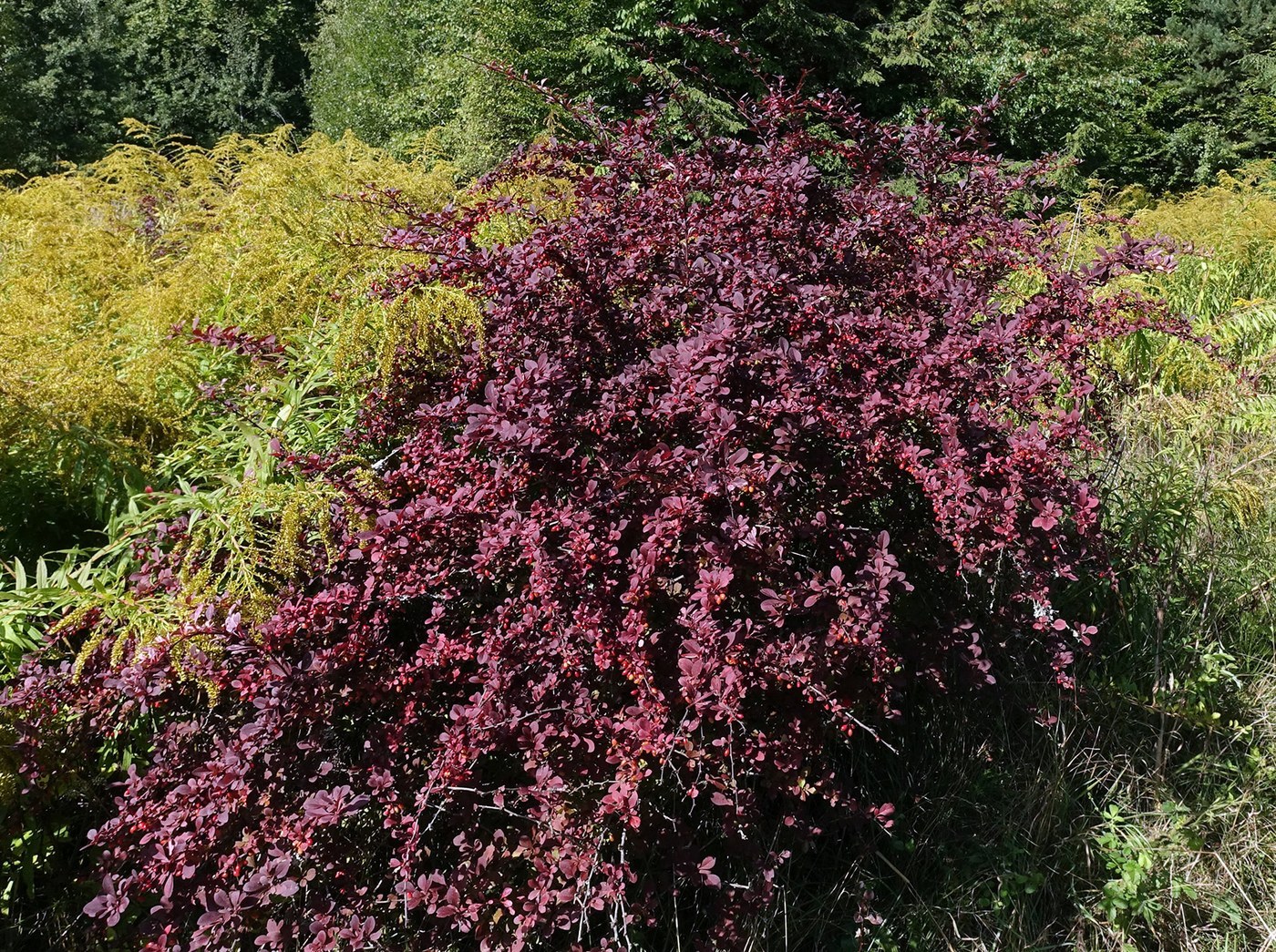
Barberry (Berberis thunbergii) is a compact, thorny deciduous shrub prized for its dense, fine-textured foliage in shades of green, gold, or deep burgundy, its arching branches, and its reliable toughness. It is one of the easiest ornamental shrubs to grow, thriving in tough spots and needing little care once established.
Light
Barberry grows well in full sun to part shade. For the most vivid foliage color, especially in gold and purple-leaved cultivars, give it full sun, where at least six hours of direct light intensifies the pigments. In too much shade, colorful varieties fade toward green and growth becomes looser and less dense. It tolerates part shade but performs and colors best in bright, open positions.
Water
Water needs are low. Keep young plants evenly moist through their first growing season to establish a strong root system. After that, barberry is notably drought-tolerant and rarely needs supplemental water except during extended dry spells. It dislikes soggy, poorly drained ground, so err on the dry side. A deep, occasional soak during severe drought is far better than frequent shallow watering.
Soil & Potting
Barberry adapts to a wide range of soils, from sandy to clay, and tolerates poor and rocky ground. The key requirement is good drainage; it will not thrive in wet, heavy soils. It prefers a slightly acidic to neutral pH but is broadly adaptable. If growing in a container, use a well-draining general potting mix and a pot with ample drainage holes, and choose a compact cultivar.
Humidity & Temperature
This is a hardy, cold-tolerant shrub that withstands harsh winters and hot summers alike. It needs no special humidity and tolerates dry air, wind, and urban conditions well. Being deciduous, it drops its leaves in autumn and goes fully dormant in winter, resprouting reliably in spring. Its wide temperature tolerance makes it a dependable choice for exposed and challenging sites.
Feeding
Barberry is a light feeder and generally needs little supplemental fertilizer. A single application of a balanced, slow-release granular fertilizer in early spring is more than enough to support healthy growth and strong color. Avoid overfeeding, particularly with high nitrogen, which promotes soft, leggy growth at the expense of the shrub's naturally dense, compact form and rich foliage color.
Propagation
Barberry is most easily propagated from semi-hardwood cuttings taken in summer. Take short, healthy stem tips, remove the lower leaves, dip in rooting hormone, and insert into a gritty, well-drained rooting mix kept lightly moist. Wear thick gloves when handling because of the sharp thorns. Seed propagation is possible but slower and requires a period of cold stratification before germination.
Repotting / Pruning
Barberry tolerates pruning very well and can be shaped or sheared to keep it neat. The best time to prune is late winter or early spring before new growth begins, or lightly after the spring flush. Remove dead, damaged, or crossing branches and trim to maintain shape. Old, overgrown shrubs respond well to hard rejuvenation pruning. Always wear sturdy gloves to guard against thorns. Container plants can be repotted or top-dressed every couple of years.
Common Problems & Pests
Barberry is exceptionally trouble-free and rarely bothered by serious pests or diseases. Occasionally aphids may appear on new growth, and in poorly drained soils root rot or fungal leaf spots can develop. Powdery mildew is possible in humid, crowded conditions. Ensuring good drainage, full sun, and adequate air circulation prevents most issues. Its thorns also make it naturally resistant to browsing.
Seasonal Care Tips
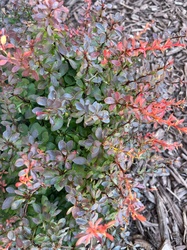
In spring, apply a light feed, prune to shape, and enjoy the fresh foliage and small flowers. Through summer, little care is needed beyond occasional watering in drought. In autumn, many cultivars develop fiery red and orange tints before dropping their leaves, and small berries persist on the bare branches. In winter, the dormant shrub needs no attention beyond structural pruning on mild days.
Frequently asked questions
Why is my purple barberry turning green?
Insufficient light. Colorful gold and burgundy cultivars need full sun to develop their richest pigment; in shade the foliage reverts toward plain green.
When should I prune barberry?
Prune in late winter or early spring before growth starts, or lightly after the spring flush. It tolerates shaping and even hard rejuvenation pruning well. Wear thick gloves for the thorns.
How much water does an established barberry need?
Very little. After the first season it is drought-tolerant and needs watering only during extended dry spells. It dislikes soggy soil, so keep it on the drier side.
Does barberry grow in shade?
It tolerates part shade but grows densest and colors best in full sun. In deep shade it becomes loose and open and colorful varieties lose their vibrancy.
Barberry identified by the community
Recent Barberry specimens identified with Plant Identifier.