Barberry
Berberis thunbergii
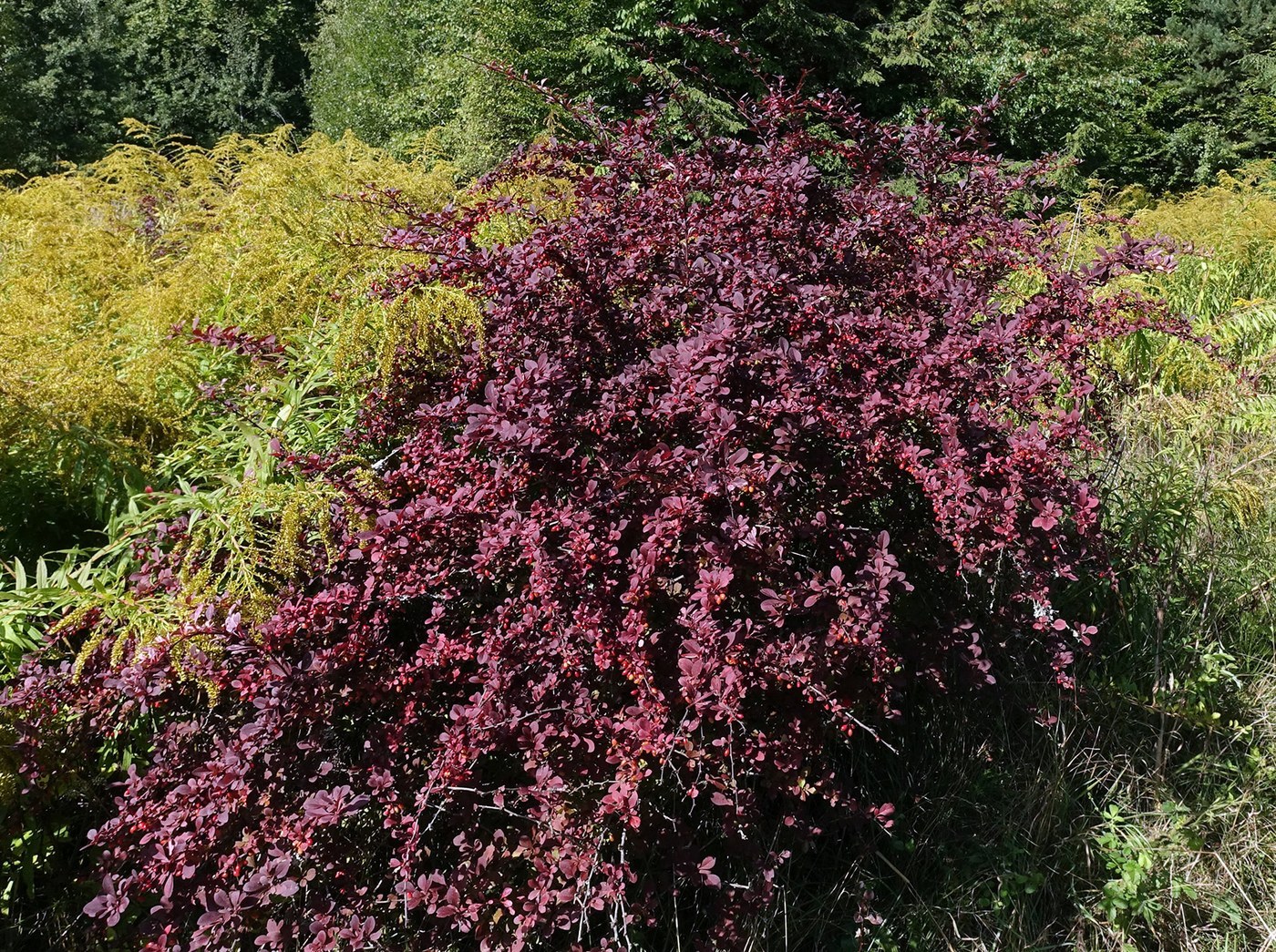
A dense, thorny deciduous shrub grown for colorful red, gold, or purple foliage and bright red berries. Tough and adaptable, though invasive in parts of North America.
- Light
- Full sun to part shade
- Water
- Low; drought-tolerant once established
- Difficulty
- Easy
Got a plant like this?
Identify any plant from a photo, free.
Overview
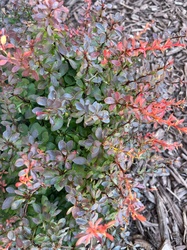
Barberry is a genus of spiny shrubs; Japanese barberry (Berberis thunbergii) is the most common ornamental, prized for compact habit and richly colored foliage in shades of burgundy, gold, and variegated forms.
Its small leaves, sharp thorns, and dense growth make it popular for low hedges and barrier plantings, while bright red oval berries hang on into winter. It is exceptionally easy to grow and drought-tolerant.
Important: Japanese barberry is invasive in many parts of the northeastern and midwestern United States and is banned or discouraged in some areas; check local regulations and consider sterile cultivars or native alternatives.
How to identify it
- Thorns: Single sharp spines along the stems
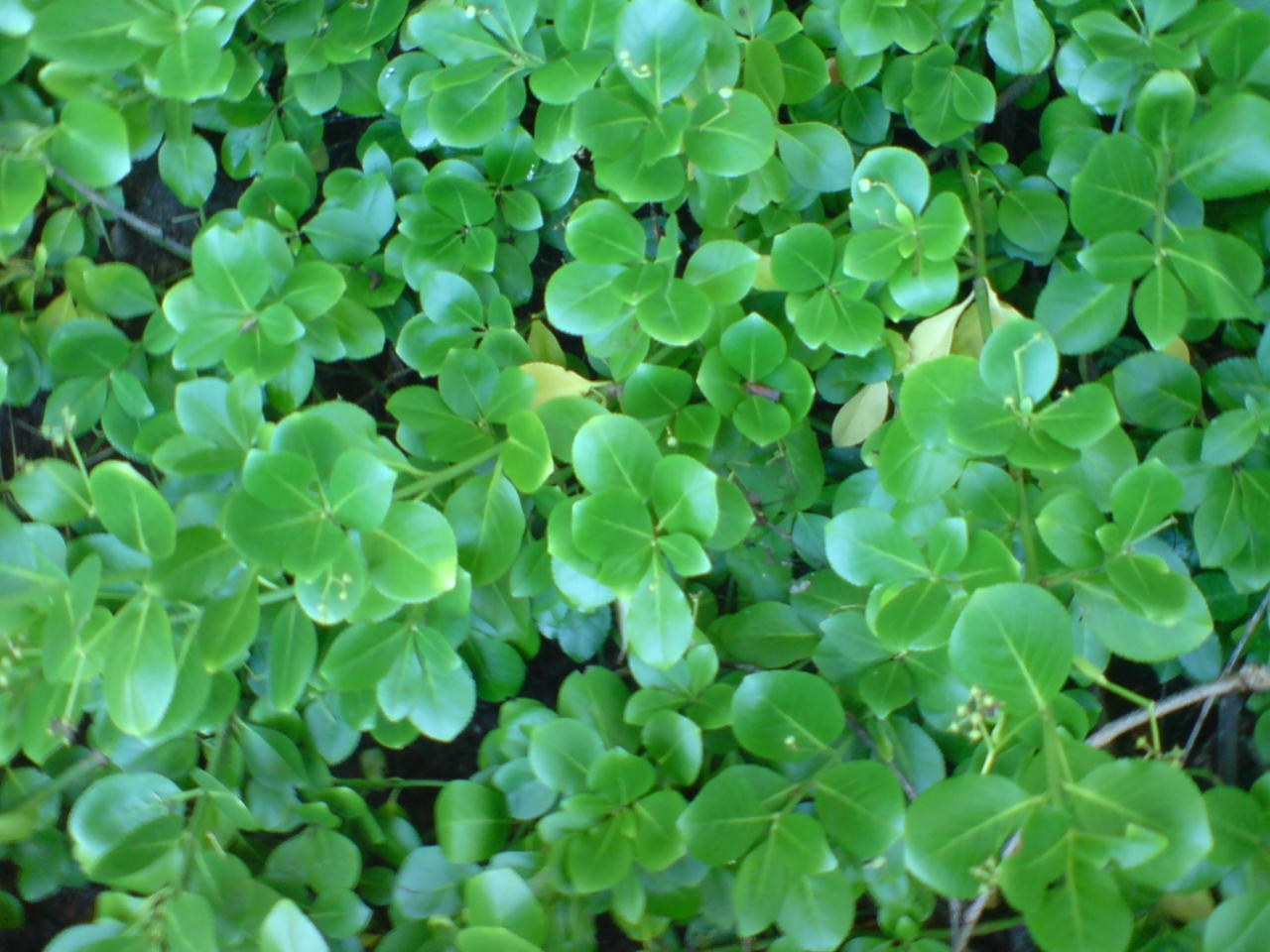
- Leaves: Small, spoon-shaped, often clustered; green, burgundy-purple, or gold depending on cultivar, frequently with red fall color
- Flowers: Tiny, pale yellow, often tinged red, hanging singly or in small clusters in spring
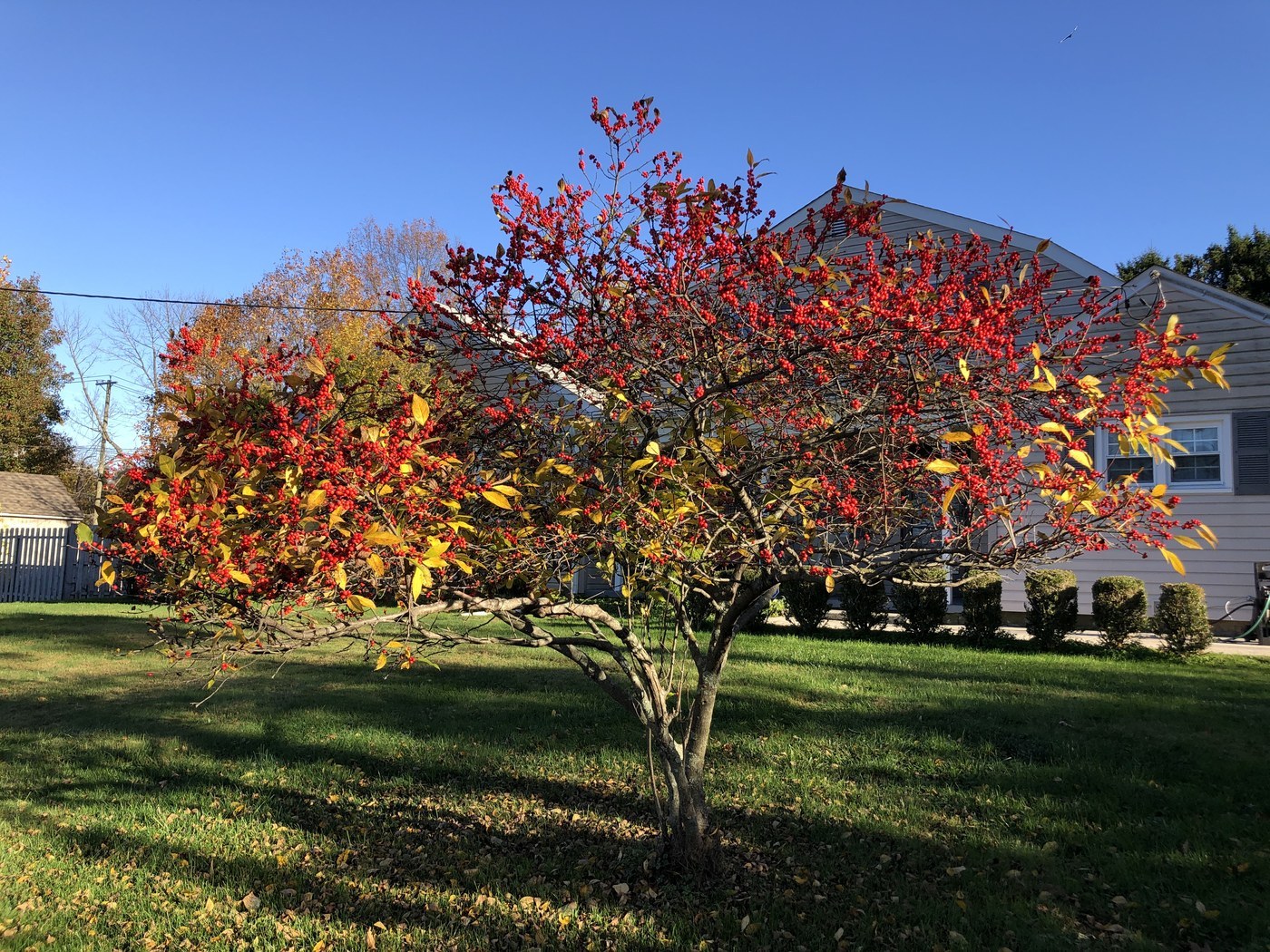
- Fruit: Glossy, oblong red berries that persist into winter
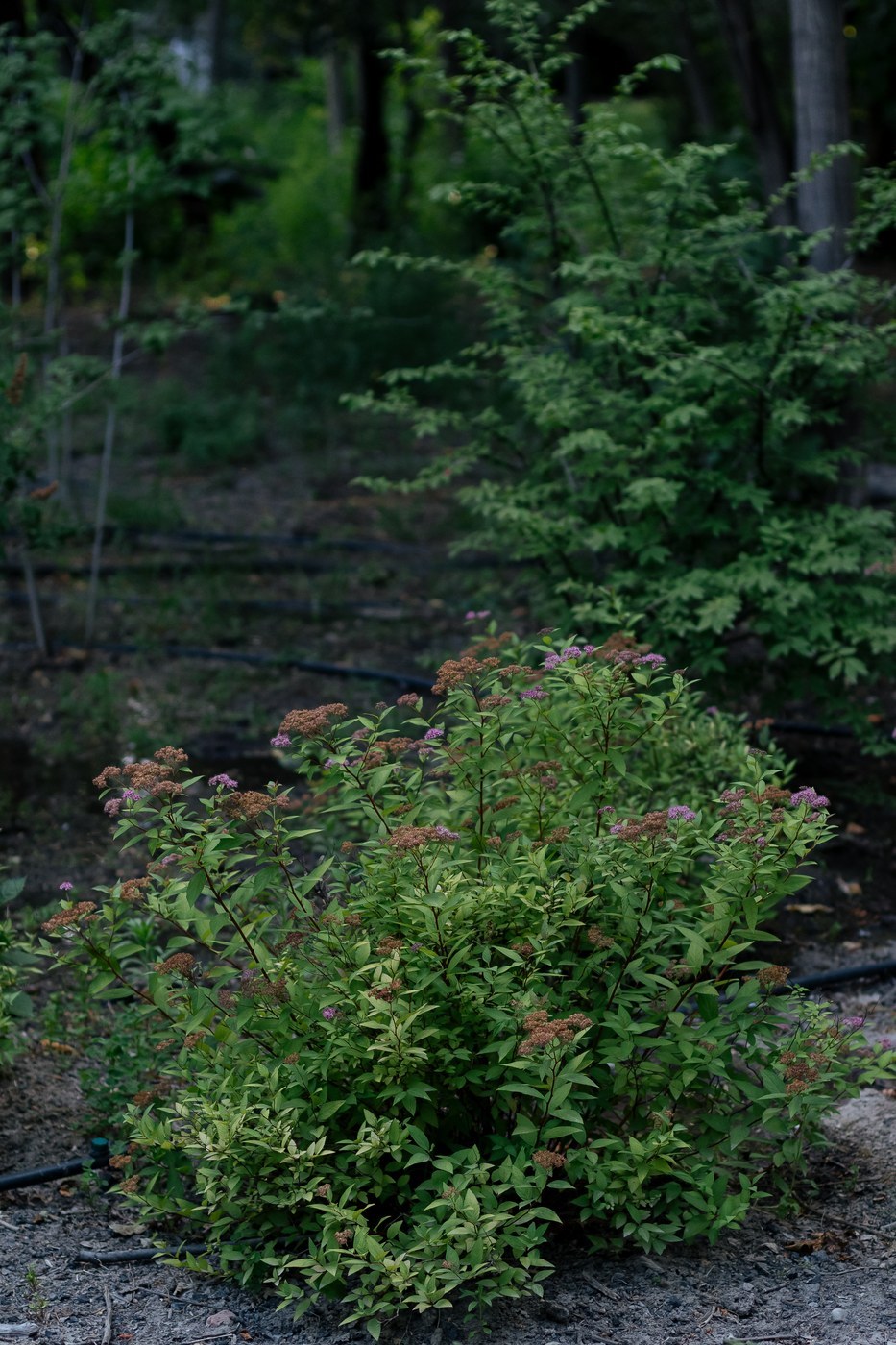
- Habit: Dense, rounded, twiggy shrub commonly 2-5 ft tall, with both dwarf and larger cultivars
- Inner wood/bark: Yellow inner bark, characteristic of the genus
Care & growing
Light: Full sun gives the best foliage color; tolerates part shade.
Water: Drought-tolerant once established; little supplemental water needed.
Soil: Adaptable to most well-drained soils; tolerates poor and dry ground.
Temperature: Hardy roughly USDA zones 4-8.
Feeding: Minimal; tolerates lean soil.
Pruning: Shears well for formal hedges and tolerates hard renewal pruning; wear thick gloves for the thorns.
Propagation: From semi-hardwood cuttings; the species self-seeds readily, which contributes to its invasiveness.
Habitat & origin
Japanese barberry is native to Japan and eastern Asia. Introduced as an ornamental, it has naturalized aggressively across forests and field edges in the eastern United States, where birds spread its seeds and dense thickets crowd out native plants.
It is still planted in gardens as low hedges and accents, though many regions now restrict it; check local invasive-species rules before planting.
Frequently asked questions
Is barberry invasive?
Japanese barberry is invasive in much of the northeastern and midwestern United States and is regulated or banned in some states. Check local rules and consider sterile cultivars or native alternatives.
Does barberry have thorns?
Yes, the stems carry sharp single spines, so wear heavy gloves when pruning. The thorns make it a good barrier hedge.
How do I keep barberry colorful?
Plant purple and gold cultivars in full sun; foliage color dulls and reverts toward green in shade.
Barberry guides
In-depth guides for identifying, growing, and caring for Barberry.
How to Care for Barberry
Growing guide for Barberry (Berberis thunbergii), a tough, colorful thorny shrub for full sun with excellent drought tolerance.
Barberry Identification Guide
How to identify barberry by its sharp single or three-pronged spines, small clustered leaves, yellow flowers, and red berries.
Barberry identified by the community
Real specimens identified with Plant Identifier.