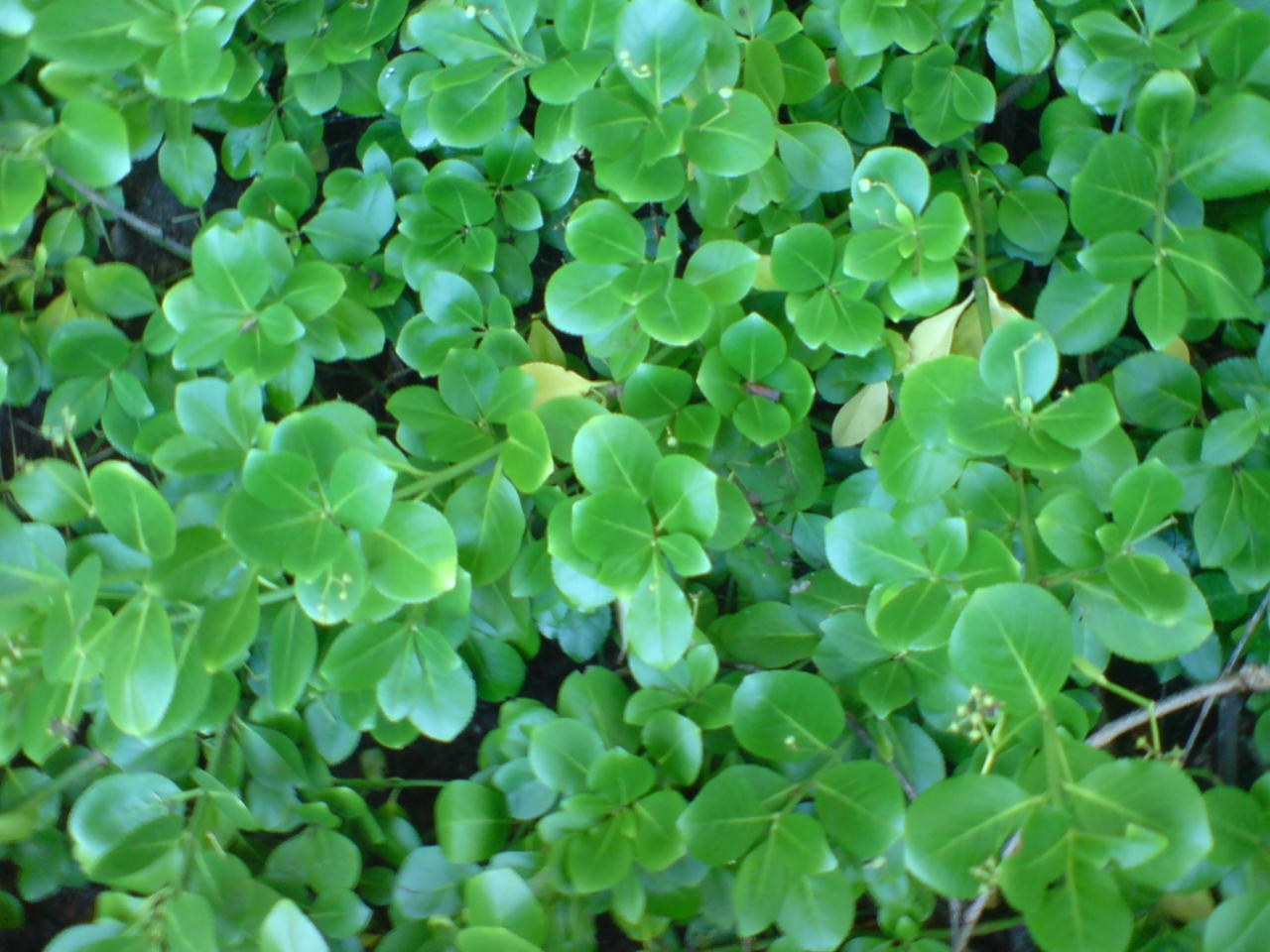
Wintercreeper
Euonymus fortunei
Wintercreeper is an extremely tough evergreen groundcover or climbing shrub, often grown for its variegated foliage. It tolerates harsh sites but is invasive in many regions.
- Light
- Full sun to full shade
- Water
- Low; drought-tolerant once established
- Difficulty
- Easy
Got a plant like this?
Identify any plant from a photo, free.
Overview
Wintercreeper (Euonymus fortunei) is a vigorous evergreen broadleaf that can sprawl as a groundcover, mound as a shrub, or climb walls and trees using rootlike holdfasts. It is best known through colorful variegated cultivars like 'Emerald 'n' Gold' and 'Emerald Gaiety'.
Its extreme adaptability—thriving in sun or deep shade, poor soil, and urban conditions—made it a longtime landscape staple. That same vigor, however, makes it invasive across much of the eastern and central United States, where it smothers native vegetation.
Gardeners should check local guidance before planting and consider native alternatives.
How to identify it
An evergreen with a variable, adaptable habit.
- Leaves: small (1–2 in), opposite, oval, leathery, glossy; green or variegated with white/gold margins
- Habit: trailing groundcover, low mound, or self-clinging climber
- Growth: climbing stems develop aerial rootlets that grip surfaces
- Flowers: tiny, greenish-white, inconspicuous (mostly on mature climbing growth)
- Fruit: pinkish capsules splitting to reveal orange-coated seeds (on mature plants)
Care & growing
Almost indestructible—often too easy.
- Light: thrives in everything from full sun to full shade
- Water: drought-tolerant once established; tolerates dry, poor soil
- Soil: adaptable to most soils, including compacted urban ground
- Temperature: hardy in USDA zones 4–9
- Feeding: rarely needed
- Pruning: shear or cut back anytime to control spread and shape; watch for euonymus scale
- Propagation: roots readily from cuttings or wherever stems touch soil—contributing to its weediness
Habitat & origin
Euonymus fortunei is native to East Asia, including China, Korea, and Japan, where it grows in forests and on slopes.
Widely introduced as an ornamental, it has naturalized and become invasive across the eastern and midwestern United States, escaping into forests where it forms dense ground-covering and climbing infestations. Check whether it is listed as invasive locally before planting.
Frequently asked questions
Is wintercreeper invasive?
Yes—in much of the eastern and central U.S. it escapes gardens and smothers native plants. Check local invasive-species lists before planting.
Will wintercreeper climb?
Yes. Given a vertical surface, it produces aerial rootlets and climbs walls, fences, and trees; otherwise it spreads as a groundcover.
What pests affect wintercreeper?
Euonymus scale is the most common problem, appearing as white and brown specks on stems and leaves that can weaken the plant.
Wintercreeper guides
In-depth guides for identifying, growing, and caring for Wintercreeper.
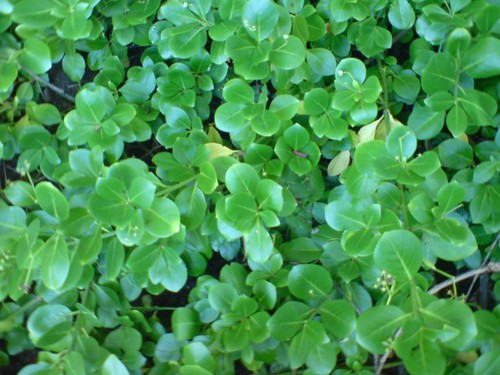
How to Care for Wintercreeper
Wintercreeper is a tough evergreen shrub-vine that thrives in sun or deep shade with minimal water once established.
Wintercreeper Identification Guide
Recognize Wintercreeper (Euonymus fortunei) by its evergreen opposite leaves, trailing and climbing rootlet-bearing stems, and bumpy bark on mature growth.