Sweetspire
Itea virginica
A North American deciduous shrub with drooping, fragrant white flower spikes in early summer and outstanding long-lasting crimson-to-burgundy fall color. Thrives in moist soils and tolerates shade.
- Light
- Full sun to part shade
- Water
- Medium to high; tolerates wet soil
- Difficulty
- Easy
Got a plant like this?
Identify any plant from a photo, free.
Overview
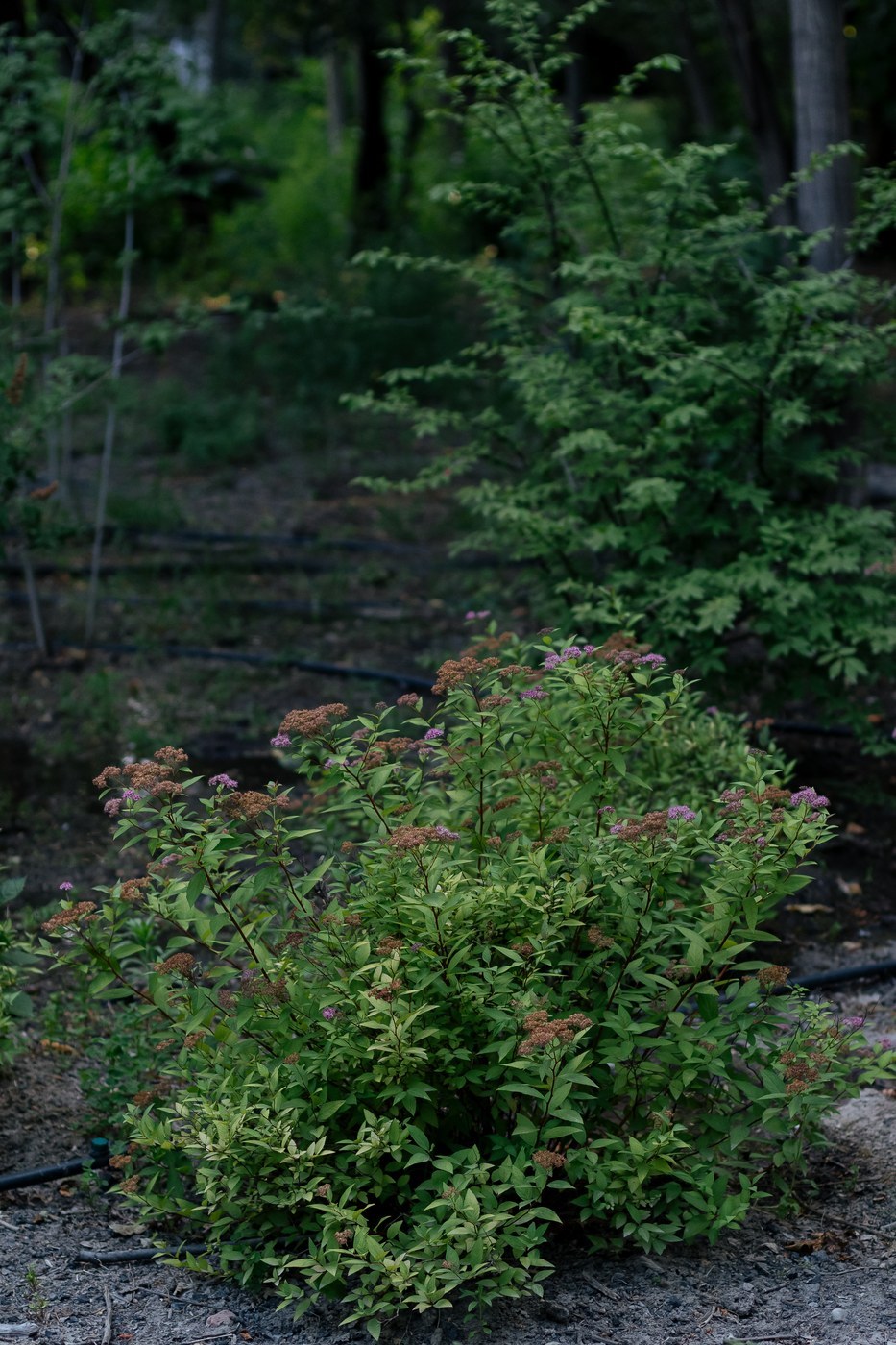
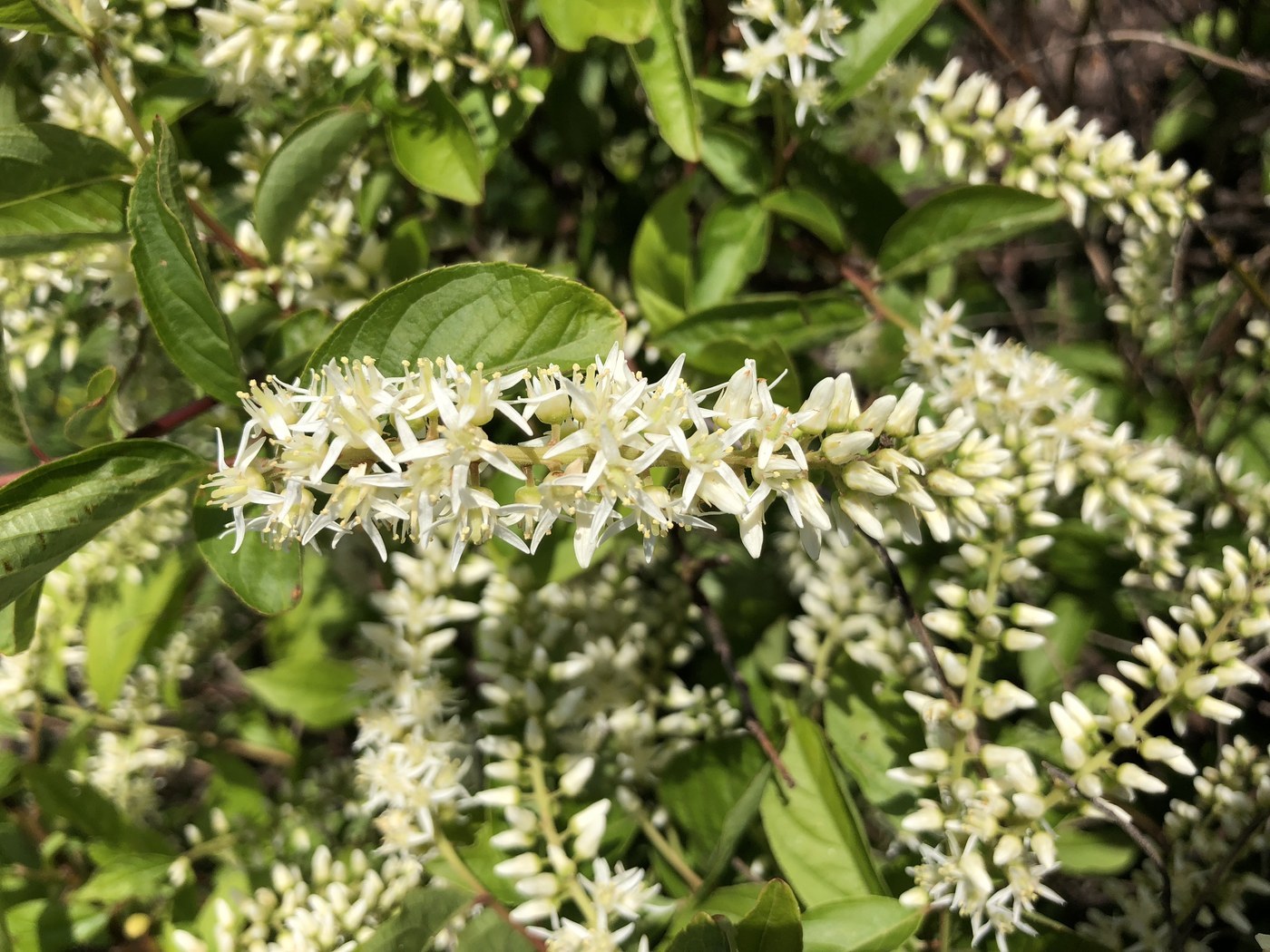
Virginia sweetspire is a graceful, mounding deciduous (to semi-evergreen) shrub native to the southeastern United States. It is loved for two seasons of show: arching, fragrant white flower spikes in late spring and early summer, and brilliant, long-lasting red-to-burgundy foliage in autumn.
It naturally grows in wet places and tolerates poor drainage, making it valuable for rain gardens, pond edges, and damp borders where many shrubs struggle. It spreads gently by suckers to form graceful colonies.
Adaptable, low-maintenance, and at home in sun or shade, sweetspire is an excellent native alternative to invasive shrubs.
How to identify it
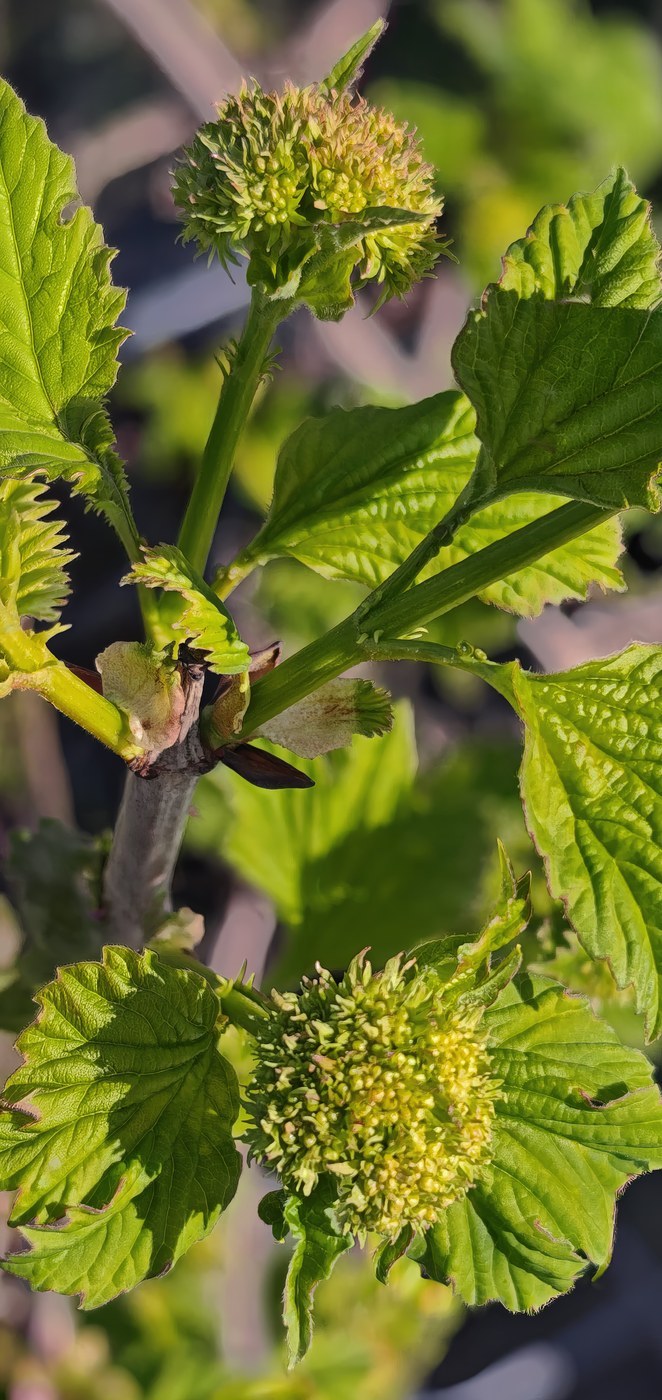
- Flowers: Long, slender, drooping racemes (3-6 in) packed with tiny fragrant white flowers in late spring to early summer
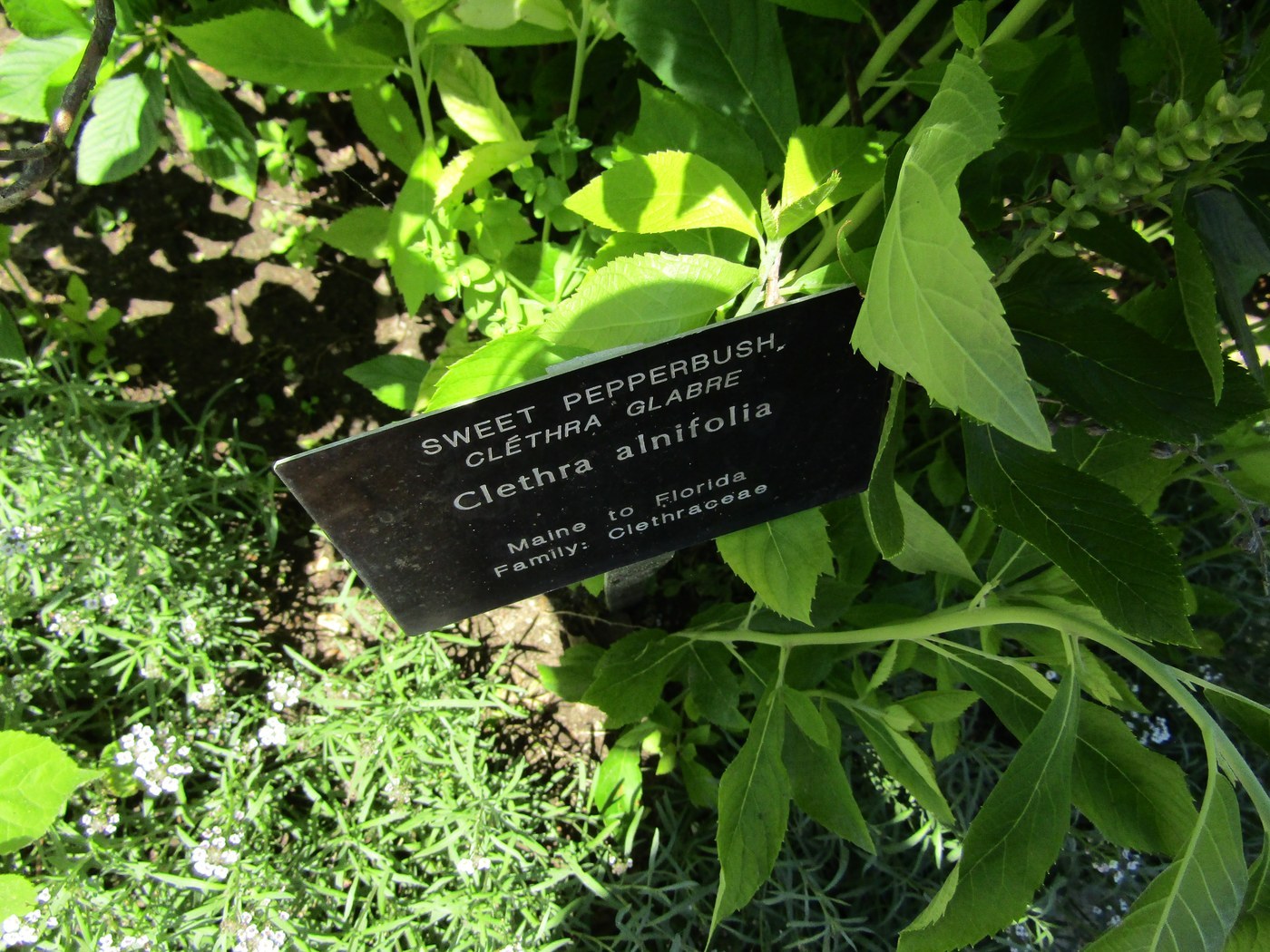
- Leaves: Alternate, oval, finely toothed, glossy green, turning vivid red, scarlet, and purple in fall and holding color late
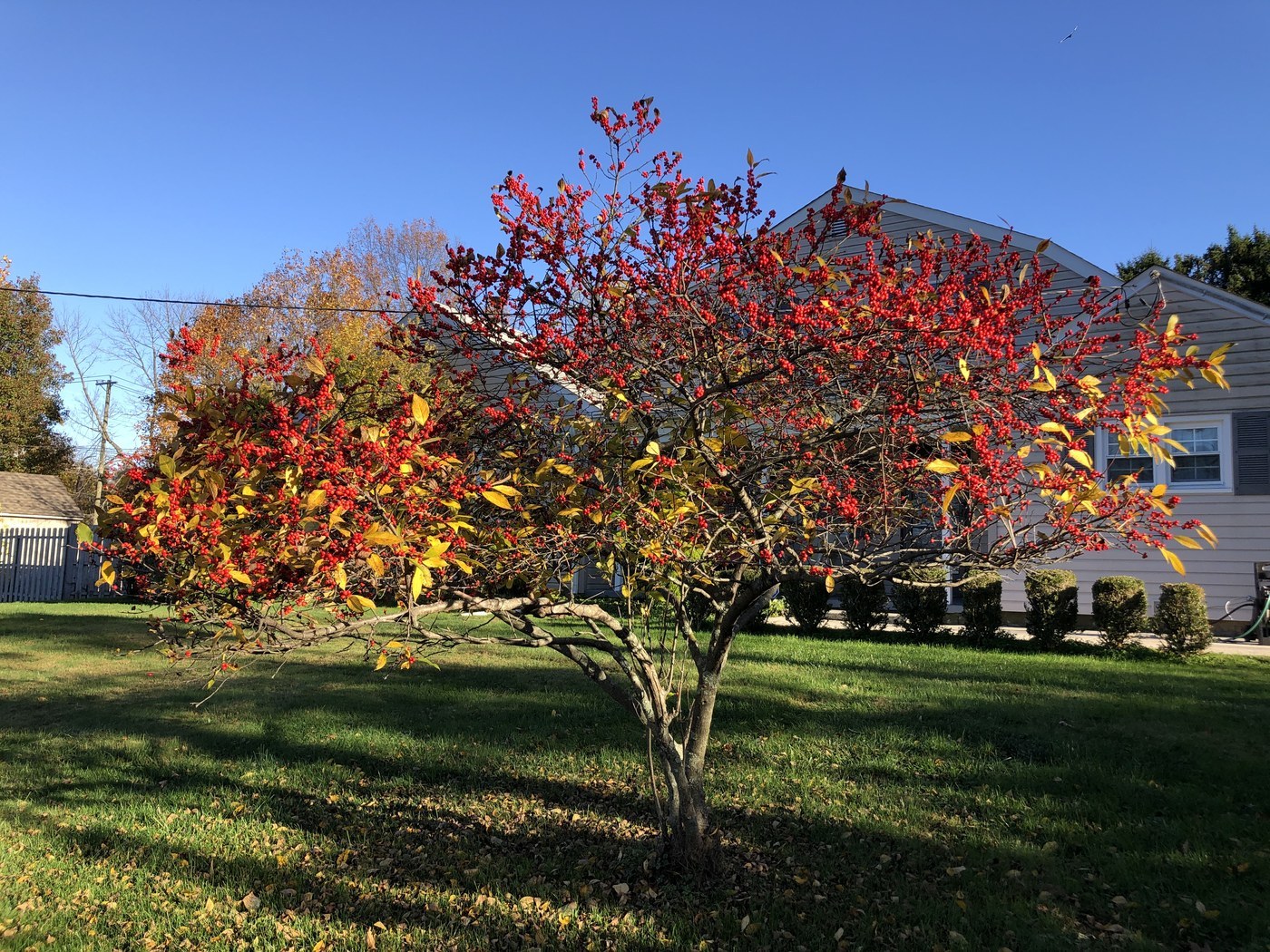
- Habit: Arching, mounding, suckering shrub typically 3-5 ft tall (dwarf cultivars like 'Little Henry' smaller), spreading wider
- Stems: Slender, arching branches that root where they touch moist soil
Care & growing
Light: Full sun to part shade; best flowering in sun, best fall color with good light, but tolerates shade.
Water: Prefers consistently moist soil and tolerates wet ground and short flooding; water during dry spells.
Soil: Adaptable; thrives in rich, moist, slightly acidic soils.
Temperature: Hardy roughly USDA zones 5-9.
Feeding: Light; a spring mulch of compost is usually enough.
Pruning: Prune after flowering; remove suckers to limit spread, or let it naturalize. Can be cut back hard to rejuvenate.
Propagation: Easy from suckers, layering, or softwood cuttings.
Habitat & origin
Native to the southeastern and eastern United States, where it grows in wet woodlands, swamps, streambanks, and floodplains. Its tolerance of wet feet reflects this riparian habitat.
It is widely planted in temperate gardens for rain gardens, moist borders, mass plantings, and naturalizing, and is valued as a native landscape shrub.
Frequently asked questions
Does sweetspire grow in wet soil?
Yes. Virginia sweetspire naturally grows in swamps and along streams, so it tolerates moist and periodically wet soils better than most shrubs, making it ideal for rain gardens.
How do I get the best fall color?
Give it enough light and consistent moisture. The foliage turns brilliant red and burgundy and holds the color late into the season, even into early winter in mild areas.
Does sweetspire spread?
Yes, it slowly suckers to form colonies. Remove suckers to keep it tidy, or let it naturalize as an informal mass.
Is sweetspire fragrant?
Yes. Its drooping white flower spikes have a pleasant sweet fragrance and attract pollinators in late spring and early summer.
Sweetspire guides
In-depth guides for identifying, growing, and caring for Sweetspire.
How to Care for Sweetspire
Sweetspire is an easy, adaptable shrub for sun or part shade, tolerating wet soil and rewarding growers with fragrant white spires and brilliant fall color.
Sweetspire Identification Guide
How to identify Virginia sweetspire by its arching stems, drooping spires of fragrant white flowers, and rich red-purple fall color.