Snowberry
Symphoricarpos albus
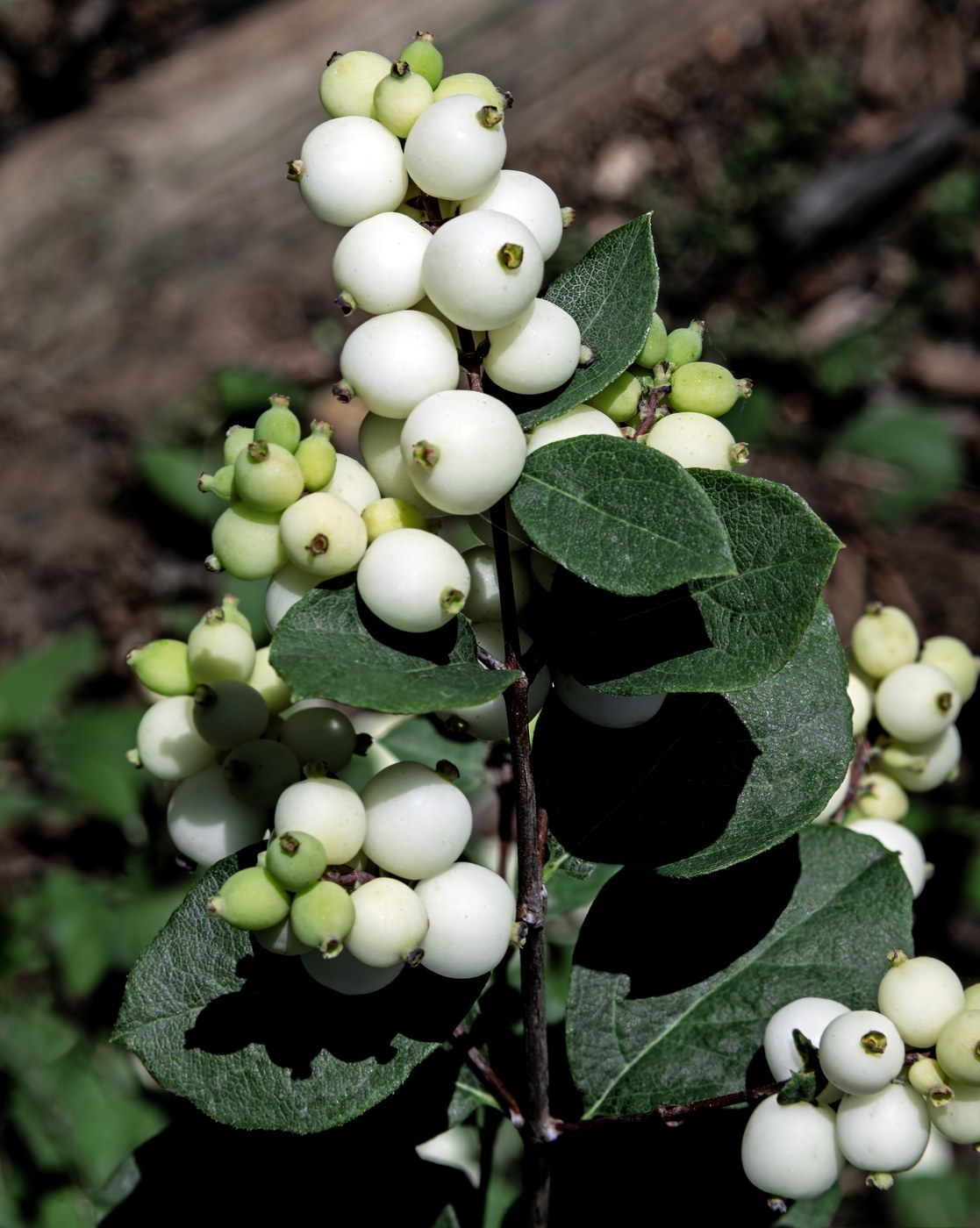
Snowberry is a hardy, suckering deciduous shrub best known for its clusters of plump, white, marble-like berries that persist into winter. It is exceptionally tough and thrives almost anywhere.
- Light
- Full sun to shade
- Water
- Moderate; adaptable once established
- Difficulty
- Easy
Got a plant like this?
Identify any plant from a photo, free.
Overview
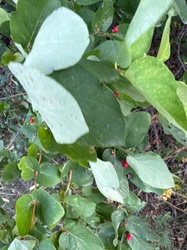
Snowberry (Symphoricarpos albus) is a deciduous North American shrub grown chiefly for its striking clusters of round, waxy white berries that cling to bare branches well into winter, long after the leaves have dropped.
It forms a thicket of arching, suckering stems with small blue-green leaves and tiny pink bell-shaped summer flowers that bees love. Extremely adaptable, it tolerates sun or shade, poor soil, drought, cold and pollution, making it useful for tough sites and erosion control.
The ghostly white berries are highly decorative, valued for winter interest and as a food source for birds and other wildlife.
How to identify it
- Fruit: clusters of round, plump, waxy white berries, persisting on bare stems into winter
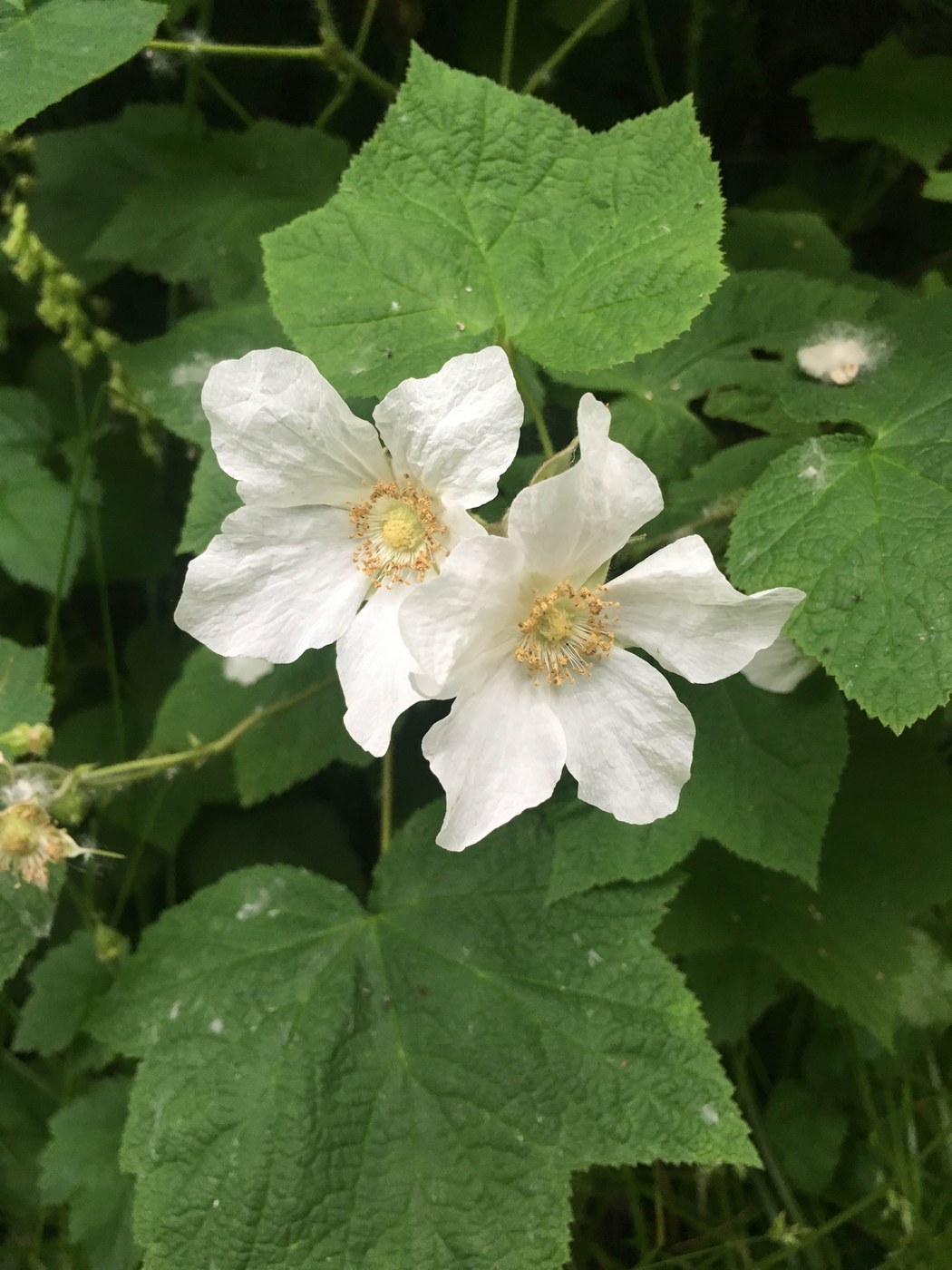
- Flowers: small, bell-shaped, pink to white, in clusters in summer; attract bees
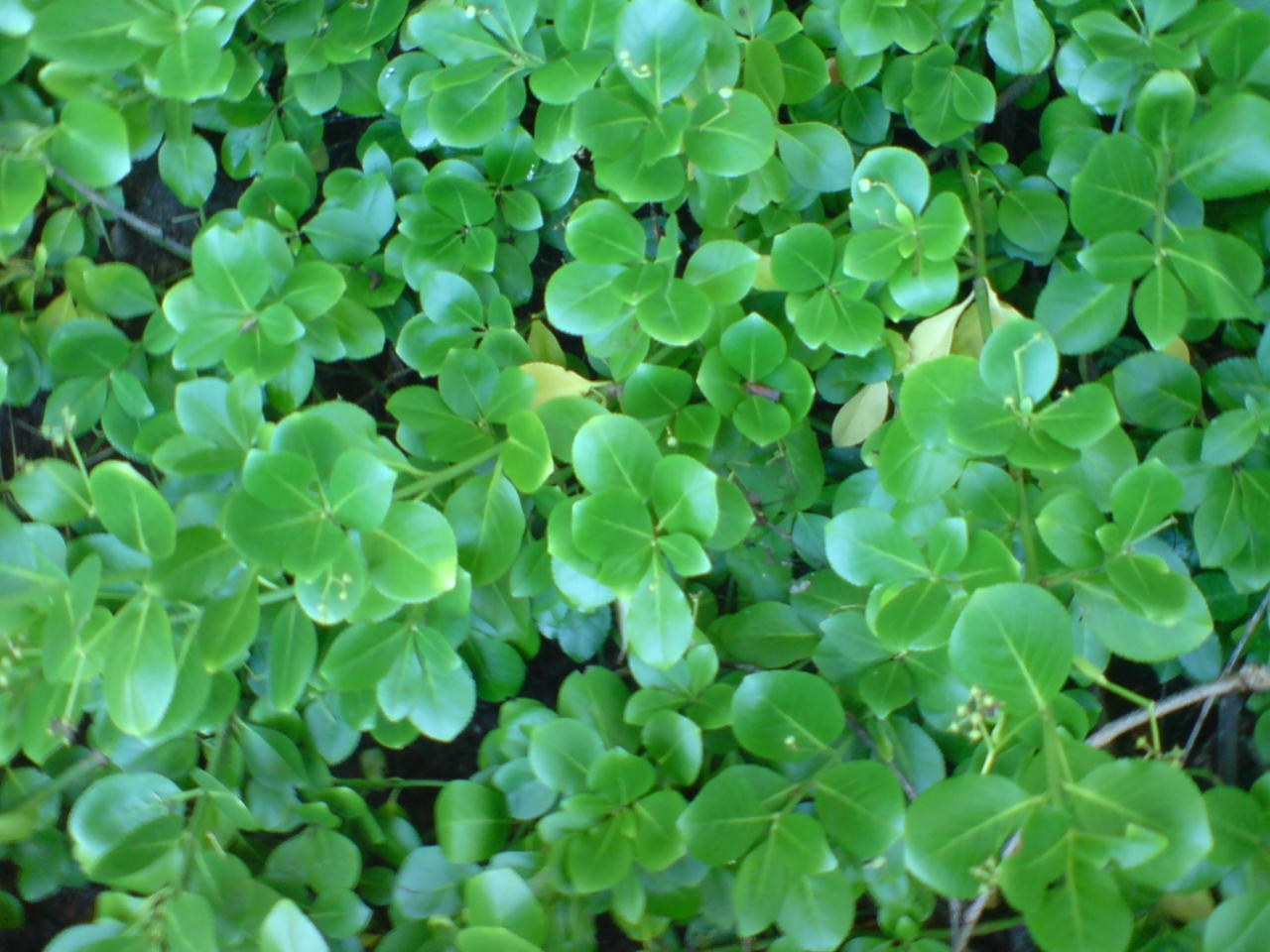
- Leaves: small, oval, blue-green, opposite; deciduous
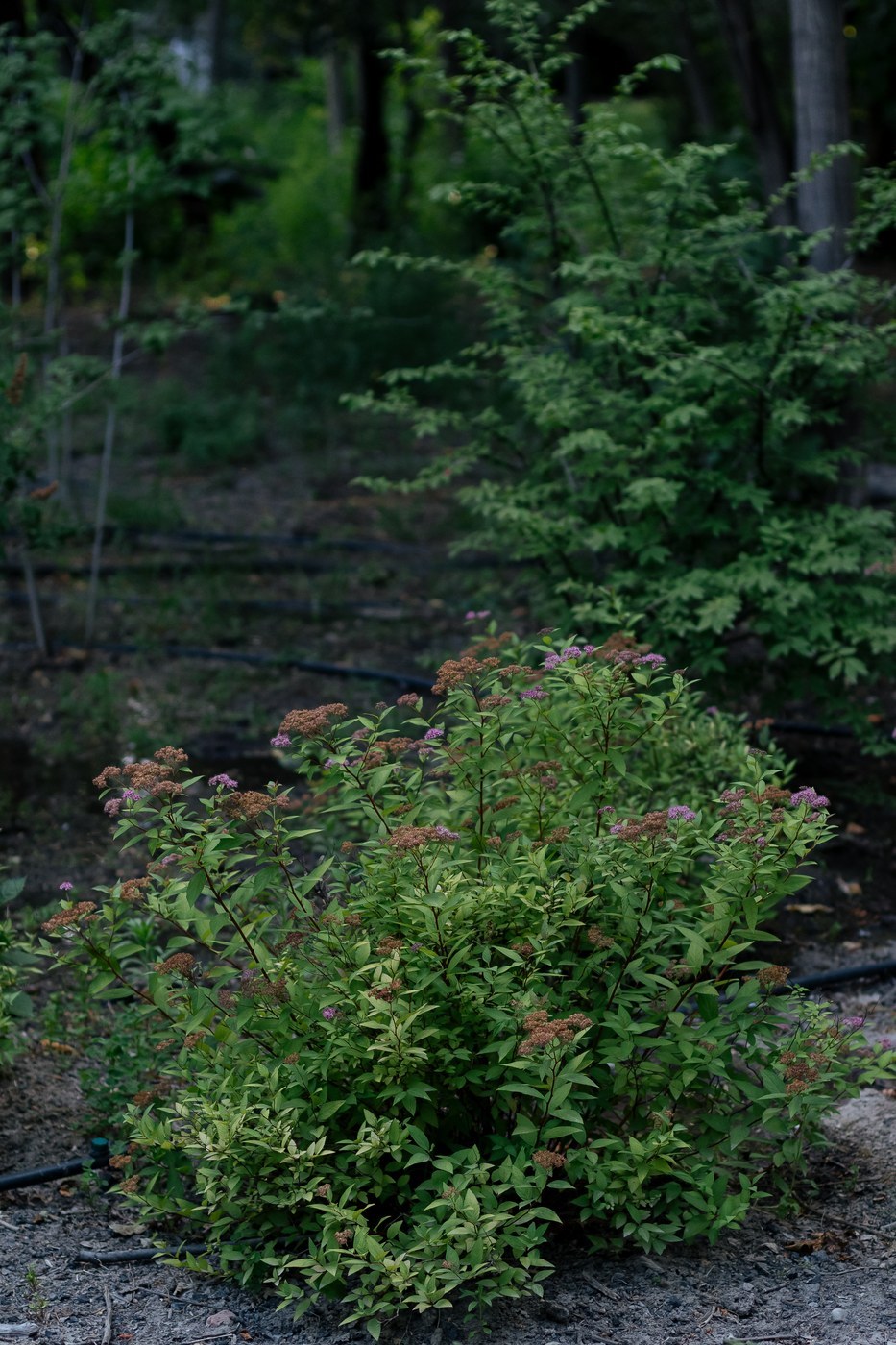
- Habit: dense, twiggy, suckering deciduous shrub forming thickets 3 to 6 ft tall
- Stems: slender, arching, often forming colonies
Care & growing
Grows in full sun to full shade and tolerates a very wide range of conditions.
- Water: adaptable; tolerates both drought and occasional wet once established
- Soil: undemanding; grows in poor, clay, chalky or rocky soils
- Temperature: very cold hardy, USDA zones 3 to 7
- Feeding: generally needs none
- Pruning: cut back in late winter to renew; spreads by suckers, so contain if needed
- Propagation: easy by division of suckers, cuttings or seed
Habitat & origin
Native to North America, ranging widely across Canada and the United States, where it grows in open woods, thickets, streambanks and rocky slopes.
Valued for its toughness, it is planted for wildlife, hedgerows, erosion control and naturalistic gardens, and has naturalized in parts of Europe where it was introduced as an ornamental and game cover.
Frequently asked questions
Why are the berries white?
Snowberry is unusual among shrubs in producing waxy pure-white berries, which is exactly the feature it is grown for, especially as winter interest.
Does snowberry spread?
Yes, it suckers freely and forms thickets, which is useful for covering banks and erosion control but may need containing in a formal garden.
Will it grow in shade?
Yes, snowberry is very adaptable and tolerates everything from full sun to full shade, plus poor soil and cold.
When do the berries appear?
The white berries form after the summer flowers and cling to the bare branches well into winter, long after the leaves have dropped.
Snowberry guides
In-depth guides for identifying, growing, and caring for Snowberry.
How to Care for Snowberry
Grow snowberry, a tough deciduous shrub prized for its round white autumn fruit and easy, adaptable nature in sun or shade.
Snowberry Identification Guide
Identify snowberry (Symphoricarpos) by its clusters of soft white marble-like berries, small oval opposite leaves, and thicket-forming deciduous habit.
Snowberry identified by the community
Real specimens identified with Plant Identifier.