Winterberry
Ilex verticillata
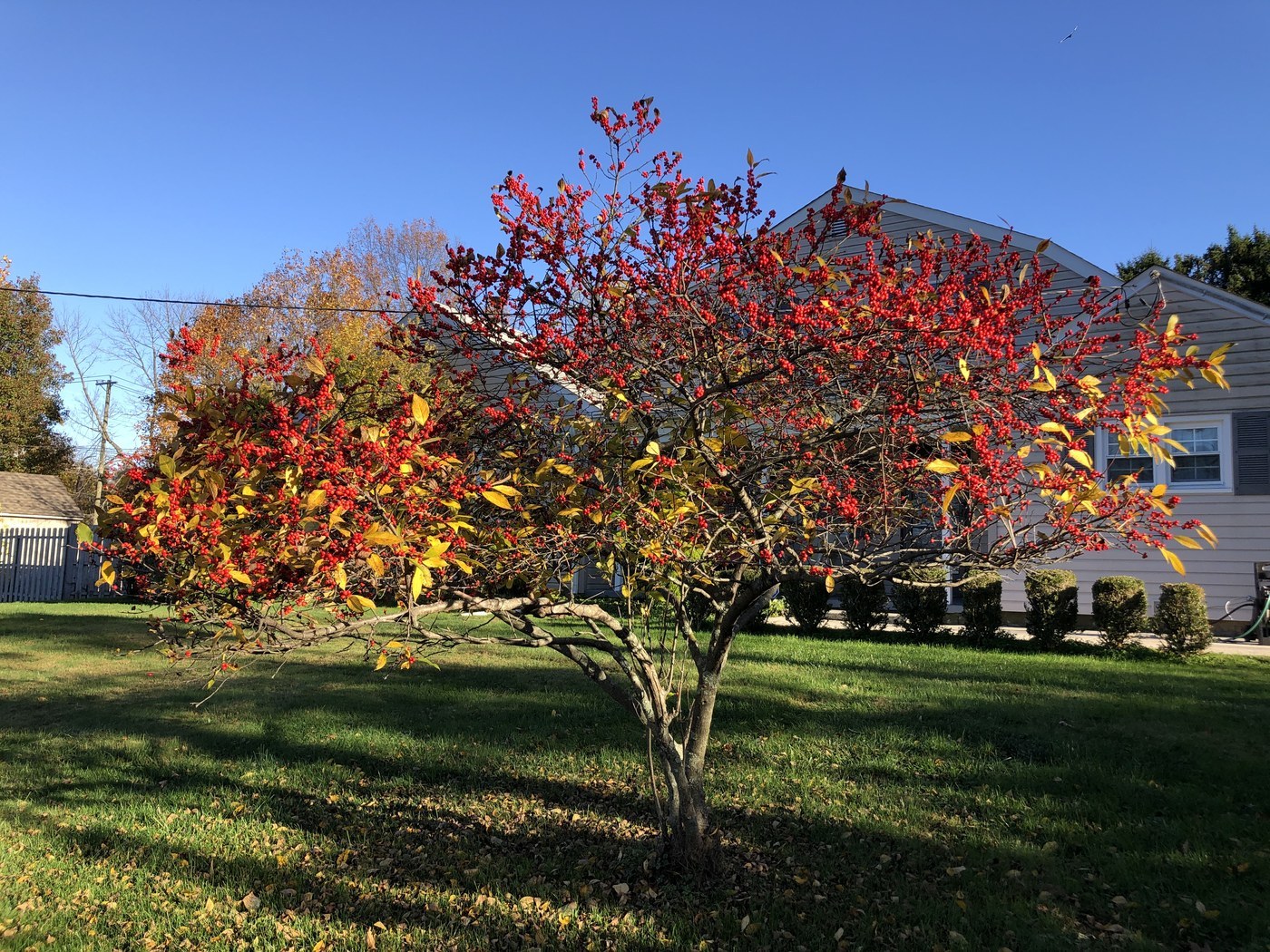
Winterberry is a deciduous holly native to eastern North America, prized for the dense clusters of brilliant red berries that cling to its bare branches through winter. Unlike most hollies it drops its leaves, leaving a striking show of fruit against snow.
- Light
- Full sun to part shade
- Water
- Consistently moist; tolerates wet soil
- Difficulty
- Easy
Got a plant like this?
Identify any plant from a photo, free.
Overview
Winterberry (Ilex verticillata) is a deciduous member of the holly family that grows wild in wetlands, swamps and pond margins across the eastern and central United States and adjacent Canada. Where evergreen hollies keep their glossy leaves, winterberry sheds them in autumn to reveal a tangle of stems studded with vivid red berries.
It is dioecious, meaning plants are either male or female. Only female plants produce the showy fruit, and they need a compatible male nearby to set berries. A single male can pollinate several females.
Long cultivated for winter interest, it has become a staple of cold-climate landscapes and a favorite for holiday cut stems.
How to identify it
A multi-stemmed shrub typically 3-12 ft tall and wide, with a rounded, suckering habit.
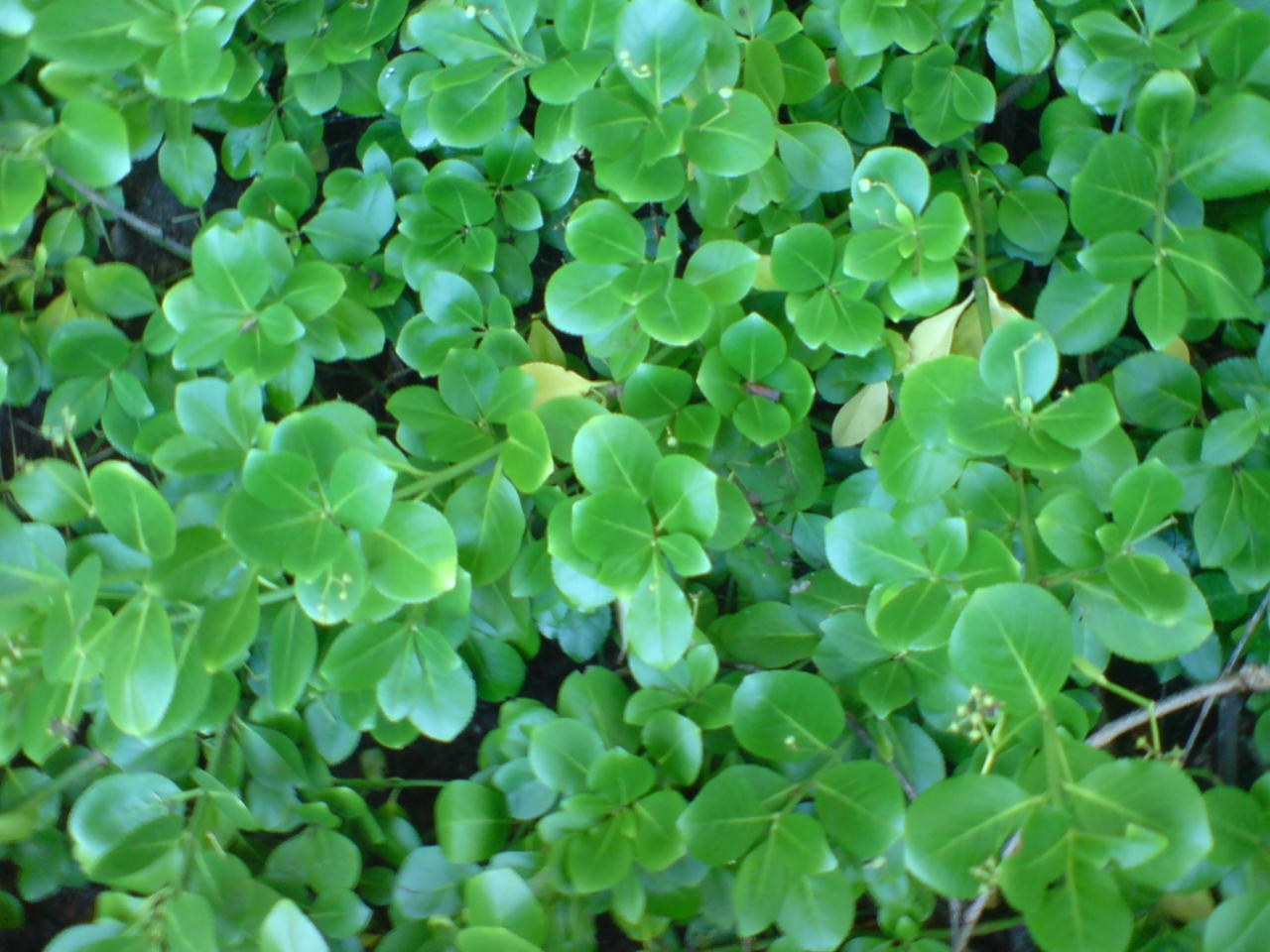
- Leaves: alternate, oval to elliptic, 1.5-3 in long, finely toothed, dull green; turn yellow-bronze and drop in fall
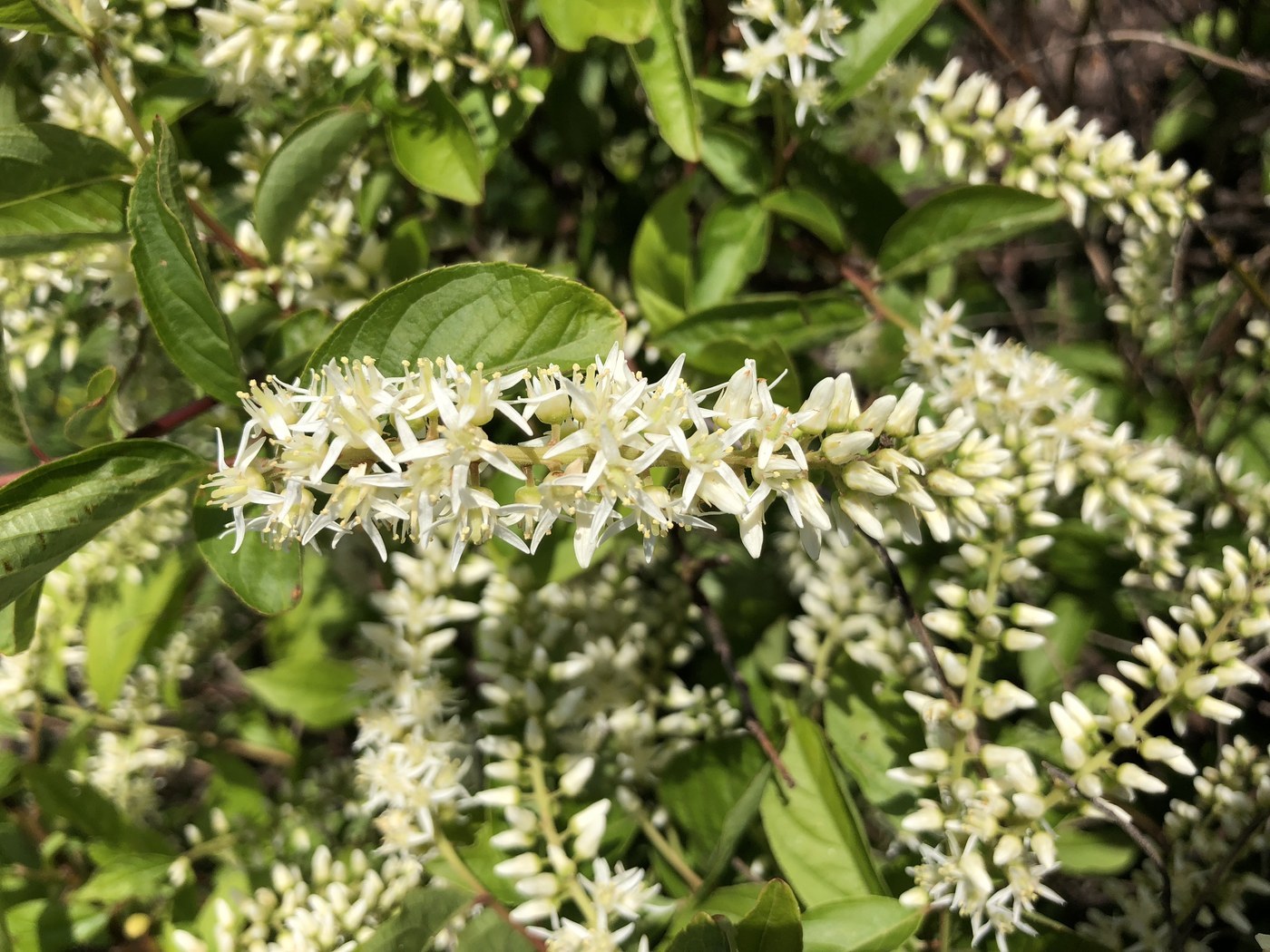
- Flowers: small, greenish-white, in leaf axils in late spring; easy to overlook
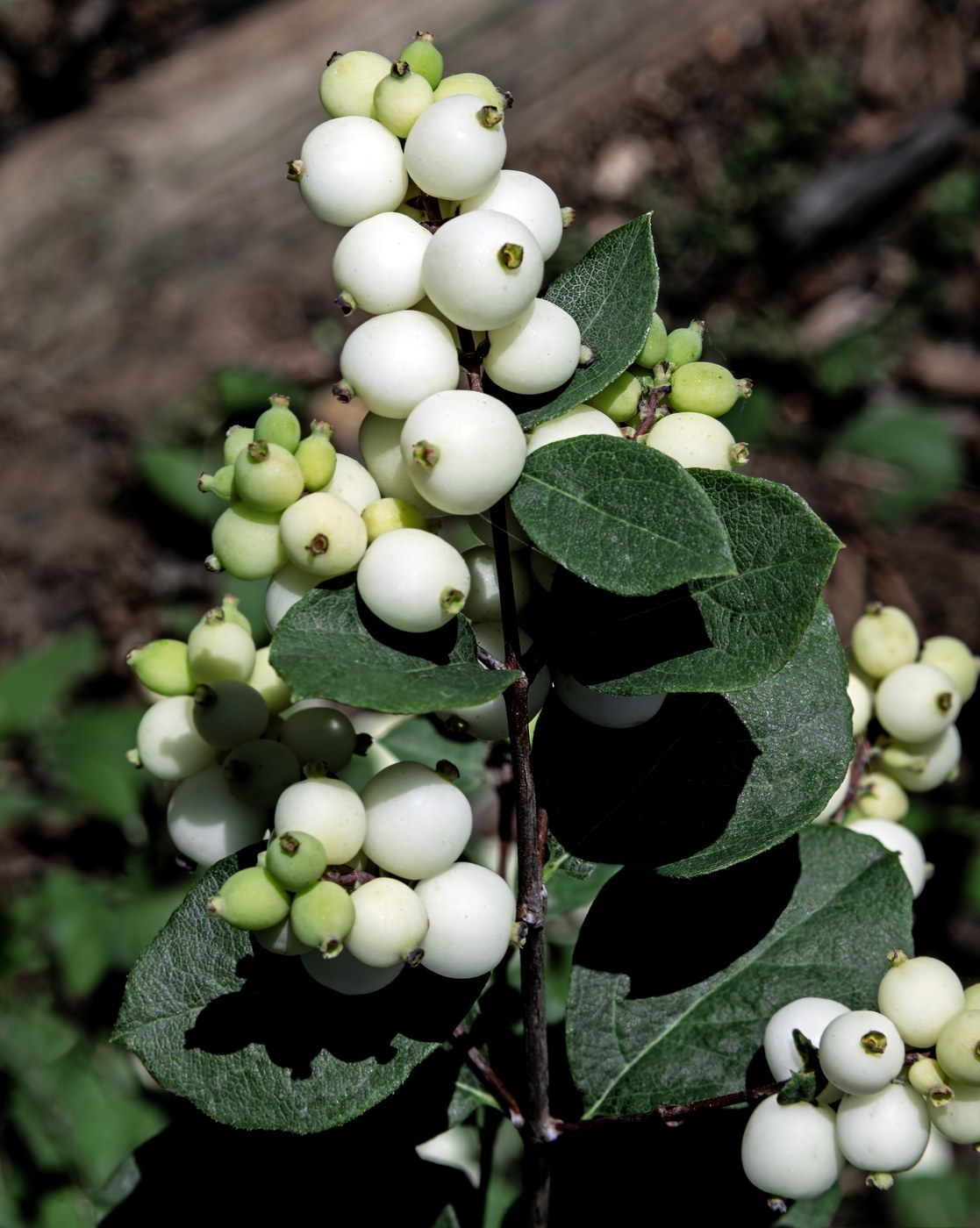
- Fruit: clusters of bright red (occasionally orange or yellow) berry-like drupes about 1/4 in across, hugging the stems
- Bark/stems: smooth gray, the berries most obvious once leaves fall
- Habit: dense, twiggy, often forming thickets
Care & growing
Tough and low-maintenance once established.
- Light: Full sun gives the heaviest fruit set; tolerates part shade
- Water: Loves moisture; thrives in wet, even boggy soil and tolerates seasonal flooding. Water regularly in dry spells
- Soil: Prefers acidic, moist, organically rich soil; tolerates clay
- Temperature: Very cold hardy (USDA zones 3-9)
- Feeding: Rarely needed; a spring layer of compost is plenty
- Pollination: Plant at least one male (e.g. 'Jim Dandy', 'Southern Gentleman') near female cultivars for berries
- Propagation: Softwood cuttings in summer, or seed (slow, requires stratification)
Habitat & origin
Native to eastern and central North America, from Newfoundland and Minnesota south to Florida and Texas. In the wild it colonizes swamps, bogs, wet thickets, low woods and the edges of ponds and streams, where its tolerance of poorly drained soil gives it an advantage.
It is widely planted in gardens throughout temperate North America and parts of Europe, especially in rain gardens, pond plantings and naturalized borders where its moisture tolerance shines.
Frequently asked questions
Why doesn't my winterberry have berries?
Most likely you have a female plant with no compatible male nearby, or only a male plant. You need both, with bloom times that overlap, within about 50 feet.
Can winterberry grow in wet soil?
Absolutely. It is one of the best shrubs for boggy, poorly drained or periodically flooded sites.
Does it lose its leaves?
Yes. Unlike evergreen hollies, winterberry is deciduous and drops its leaves in fall, which is what makes the bare berried branches so striking.
Winterberry guides
In-depth guides for identifying, growing, and caring for Winterberry.
How to Care for Winterberry
Grow Winterberry, a deciduous holly whose bare winter branches blaze with red berries; it loves moist, acidic soil and sun.
Winterberry Identification Guide
How to recognize winterberry (Ilex verticillata), a deciduous native holly known for its brilliant red berries on bare winter stems.