Spirea
Spiraea japonica
A versatile, easy-care deciduous shrub grown for clusters of pink or white flowers and often colorful foliage. Compact and reliable, spirea suits borders, mass plantings and low informal hedges.
- Light
- Full sun to part shade
- Water
- Moderate; water during dry spells
- Difficulty
- Easy
Got a plant like this?
Identify any plant from a photo, free.
Overview
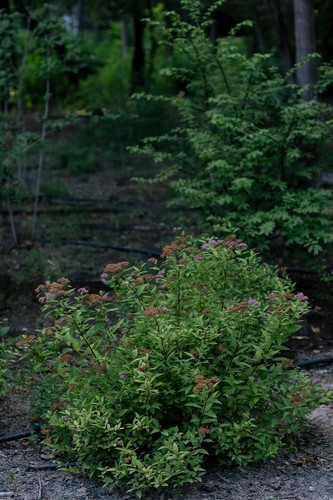
Spirea is a popular genus of hardy deciduous shrubs in the rose family, grown for their massed flowers and, in many cultivars, attractive gold, lime or reddish foliage. Forms range from the arching white 'bridal wreath' types to compact, mounded summer-blooming Japanese spireas.
They are among the easiest flowering shrubs to grow, tolerating a wide range of conditions and responding well to pruning. Bloom color is typically pink, rose or white.
Spireas are widely used in foundation plantings, low hedges and mixed borders, and many cultivars offer multi-season interest from foliage and flowers.
How to identify it
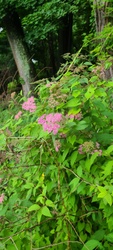
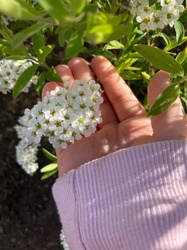
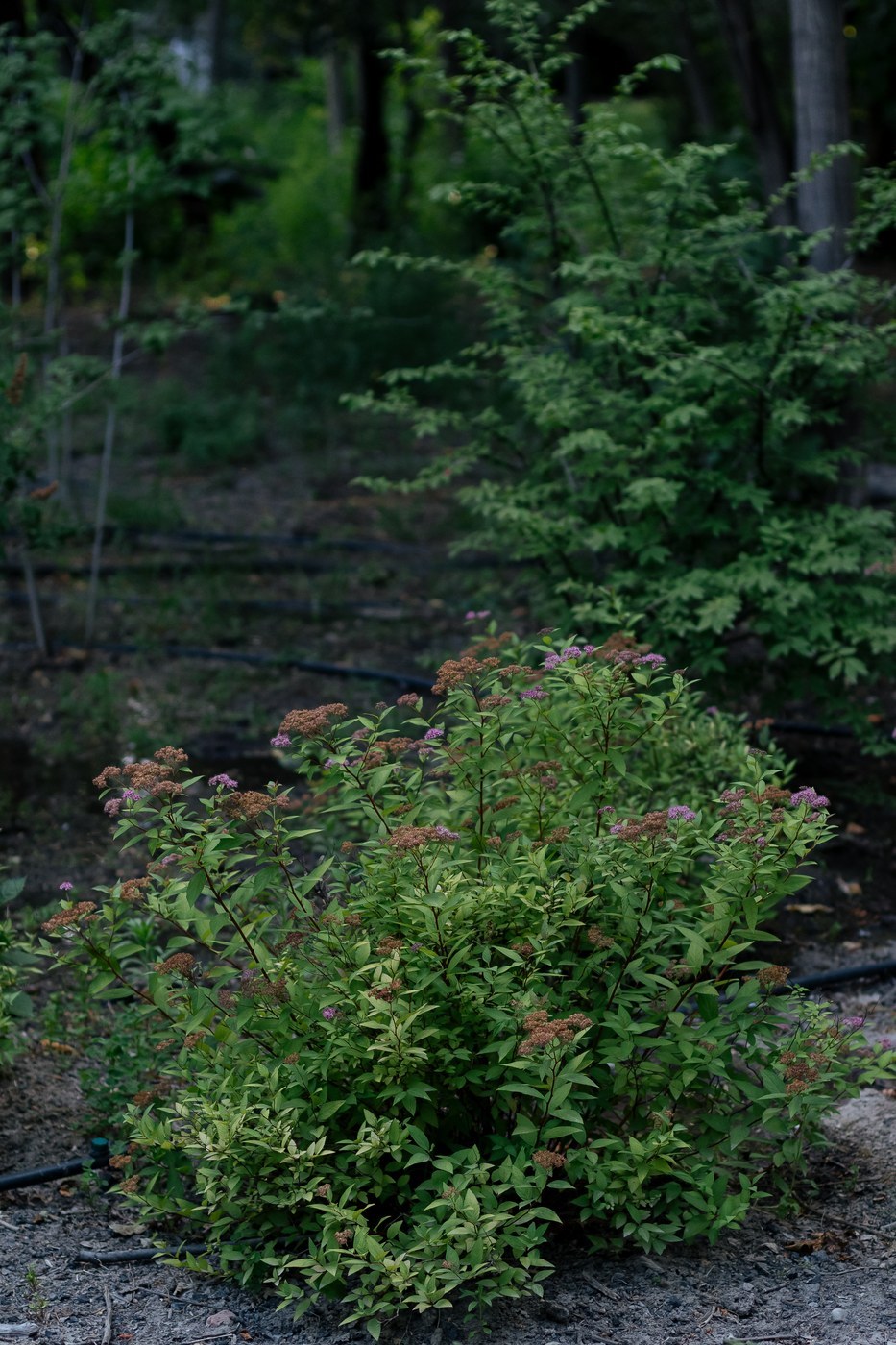
- Flowers: small, in flat clusters or sprays; pink, rose or white depending on type
- Bloom time: spring (bridal-wreath types) or summer (Japanese types)
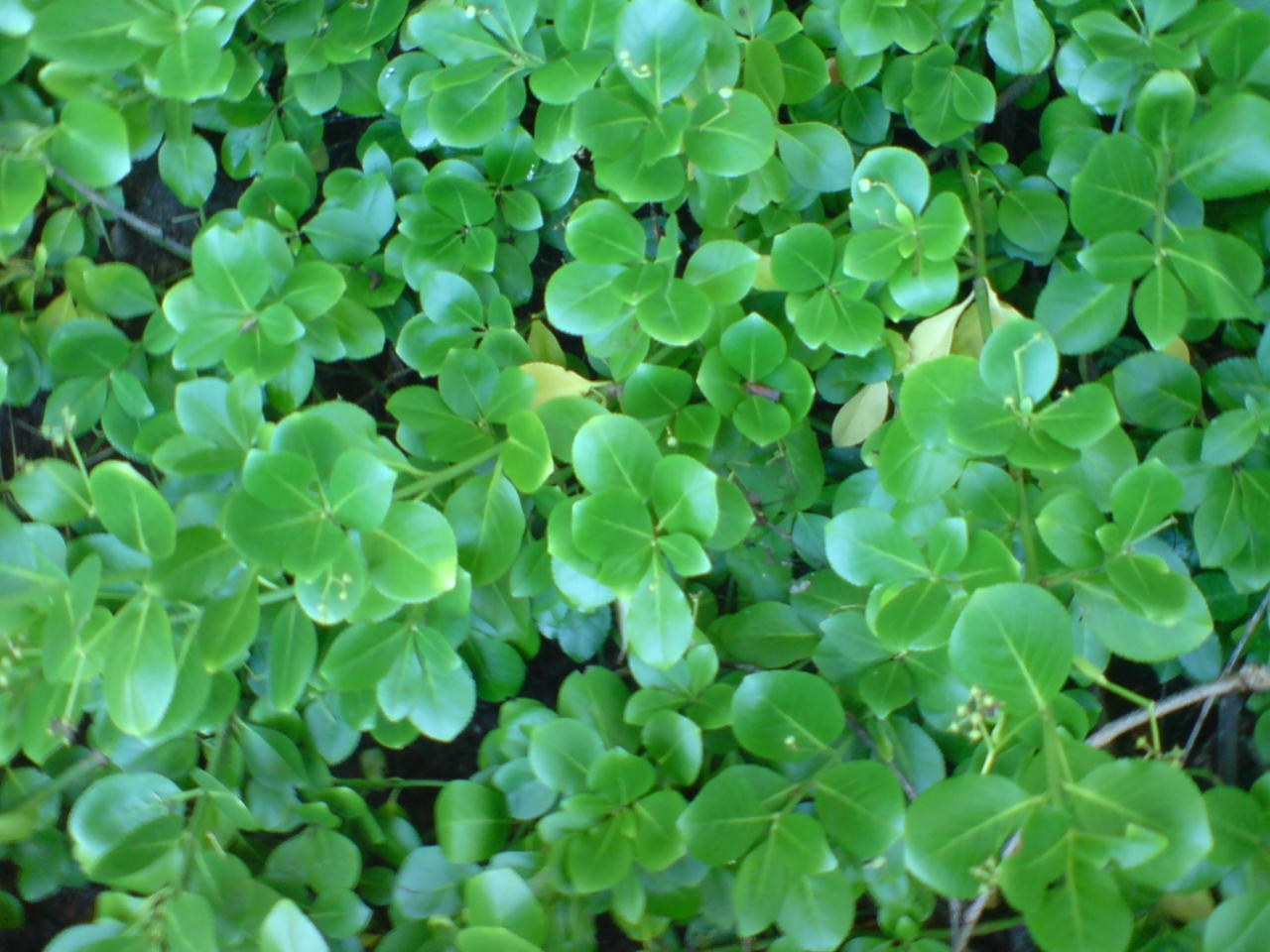
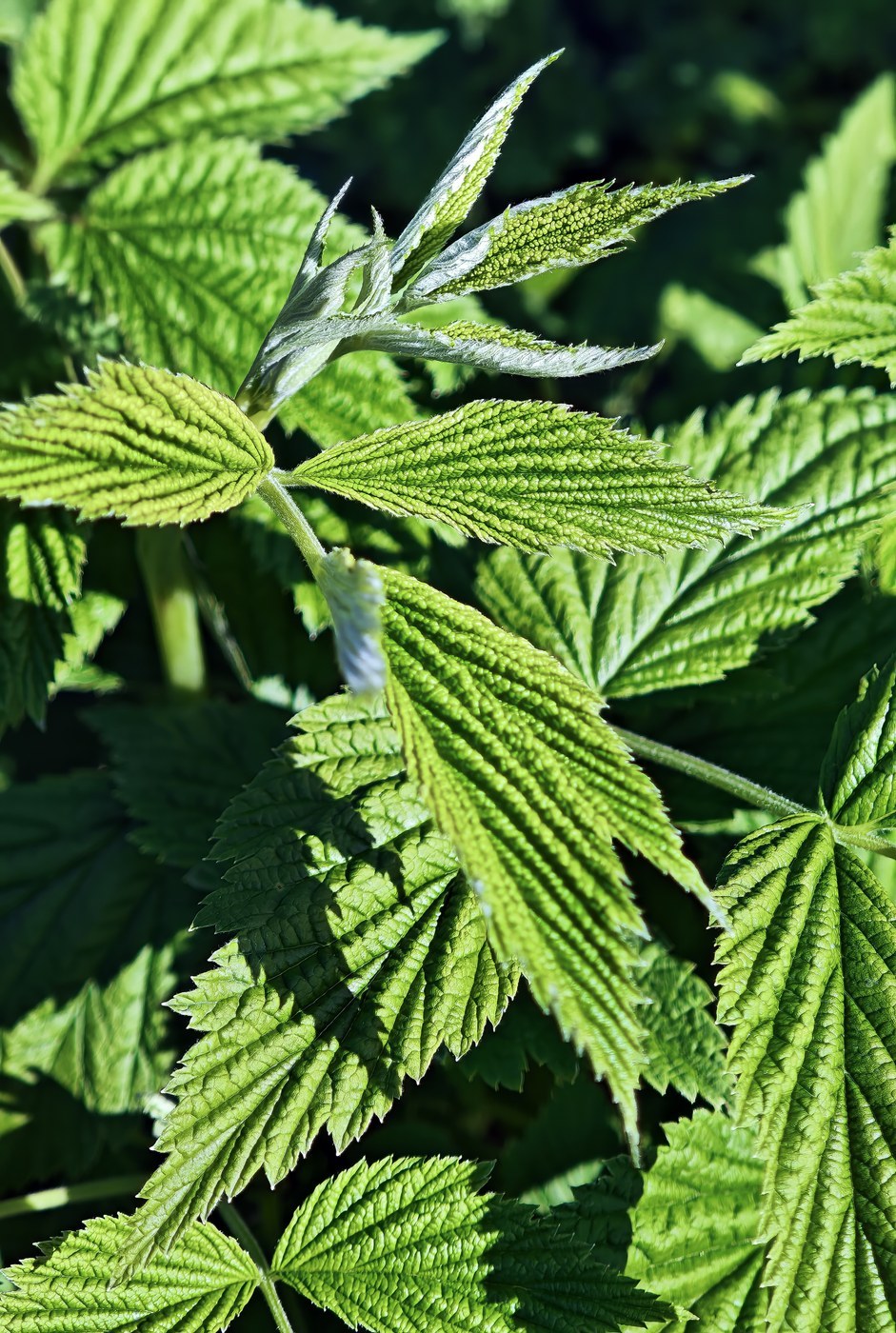
- Leaves: small, alternate, toothed; often gold, lime or reddish in colored cultivars, with good fall color
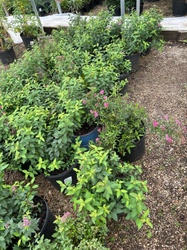
- Habit: mounded or arching, dense, multi-stemmed
- Size: typically 2–6 ft (0.6–1.8 m) tall depending on type
Care & growing
Grow in full sun to part shade; fullest flowering and best foliage color come in sun.
- Water: water during dry spells; tolerant once established
- Soil: adaptable to most moist, well-drained soils
- Temperature: hardy roughly USDA zones 3–8 (varies by species)
- Pruning: spring-bloomers prune right after flowering (bloom on old wood); summer-bloomers prune in late winter (bloom on new wood); shearing summer types after bloom can spur a rebloom
- Feeding: minimal
- Propagation: easily from softwood cuttings
Deadhead summer types to encourage repeat flowering.
Habitat & origin
Spireas are native across the Northern Hemisphere, with many ornamental species from East Asia; Spiraea japonica is native to Japan, Korea and China.
They grow naturally in meadows, woodland edges and along streams. Widely cultivated in temperate gardens, though Japanese spirea has naturalized and is considered invasive in parts of the eastern United States.
Frequently asked questions
When should I prune spirea?
It depends on type: prune spring-blooming bridal-wreath spireas right after flowering, and prune summer-blooming Japanese spireas in late winter since they flower on new wood.
Will spirea rebloom?
Many summer-flowering types will produce a second flush if you shear off the spent flowers after the first bloom.
Is spirea easy to grow?
Yes—it is one of the most forgiving flowering shrubs, tolerating a range of soils and light and responding well to pruning.
Is Japanese spirea invasive?
It can be. Spiraea japonica self-seeds and is considered invasive in parts of the eastern U.S., so check local recommendations before planting.
Spirea guides
In-depth guides for identifying, growing, and caring for Spirea.
How to Care for Spirea
Easy-care guide to Spirea: full sun, moderate water, and the simple pruning that keeps this tough flowering shrub blooming for months.
Spirea Identification Guide
Identify Spirea by its small simple toothed leaves on slender twiggy stems and its dense clusters of tiny five-petaled white or pink flowers.
Spirea identified by the community
Real specimens identified with Plant Identifier.