How to Care for Spirea
Easy-care guide to Spirea: full sun, moderate water, and the simple pruning that keeps this tough flowering shrub blooming for months.
Read the full Spirea encyclopedia entry →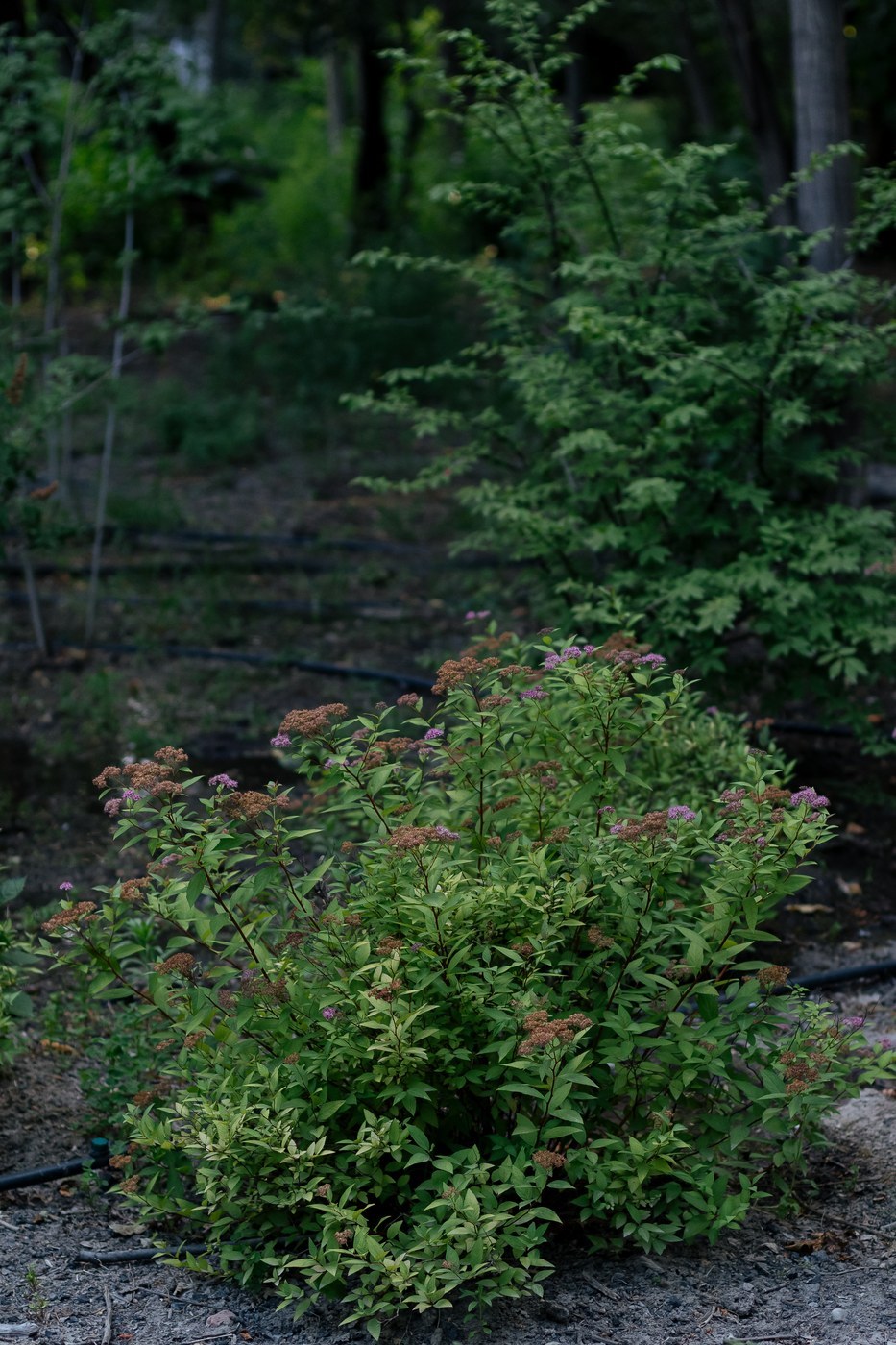
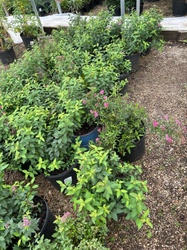
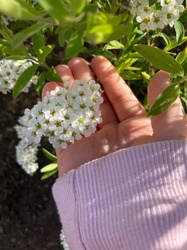
Spirea (Spiraea japonica) is a hardy, deciduous flowering shrub grown for its dense mounds of clustered pink, rose, or white blooms and often colorful new foliage. It is one of the most trouble-free landscape shrubs, thriving with minimal attention and rewarding light pruning with repeat flushes of flowers.
Light
Grow Spirea in full sun for the most abundant flowering and the brightest foliage color; gold- and lime-leaved cultivars especially need strong light to hold their tones. It tolerates part shade, but blooming thins and the mound grows looser and leggier. Aim for at least six hours of direct sun a day where possible.
Water
Spirea needs moderate, even moisture. Water regularly during the first growing season to establish deep roots, then it becomes fairly drought-tolerant, needing supplemental water mainly during extended dry spells and heat. Deep, occasional soakings beat frequent shallow watering. A layer of mulch over the root zone conserves moisture and moderates soil temperature; keep it pulled back from the stems.
Soil & Potting
Spirea is adaptable to most soils, including clay and poor ground, as long as drainage is reasonable; it dislikes waterlogged sites. It prefers slightly acidic to neutral soil but tolerates a wide range. Enrich thin soils with compost at planting. If grown in a container, use a quality potting mix with added drainage and a pot large enough to buffer moisture swings.
Humidity & Temperature
This is a cold-hardy shrub suited to temperate climates, generally reliable through USDA zones 4-8. It handles heat, cold, and typical outdoor humidity without fuss. No special humidity measures are needed. Newly planted shrubs benefit from wind protection while they root in.
Feeding
Spirea is a light feeder. A single application of balanced, slow-release shrub fertilizer or a topdressing of compost in early spring is usually plenty. Avoid heavy nitrogen feeding, which pushes soft leafy growth at the expense of flowers. Overfed plants also grow floppier and more disease-prone.
Propagation
Propagate from softwood cuttings taken in late spring or early summer, rooted in moist, well-draining medium under humid conditions. Established clumps can also be divided in early spring or fall. Many spireas self-layer where low branches touch the soil, and these rooted sections can be separated and replanted.
Repotting / Pruning
Pruning is the key to great Spirea. Deadhead spent flower clusters through summer to encourage a second flush of bloom. Shear the whole shrub back by about a third after the first bloom to keep it tidy and promote reblooming. In late winter or early spring, cut the plant back hard to shape it and remove old, twiggy, or dead wood; Spirea blooms on new growth, so hard spring pruning does not sacrifice flowers. Container plants can be root-pruned and refreshed every couple of years.
Common Problems & Pests
Spirea is largely pest- and disease-free. Occasional issues include aphids on new growth, spider mites in hot dry spells, and leaf spot or powdery mildew where air circulation is poor or plants stay too wet. Space plants for airflow, water at the base rather than overhead, and rinse or treat aphids with insecticidal soap. Overly shaded, crowded plants are the ones most prone to trouble.
Seasonal Care Tips
In early spring, cut back and shape the shrub, apply compost or slow-release feed, and refresh mulch. Through summer, deadhead and shear after the first bloom for repeat flowers, and water during dry spells. In fall, foliage often colors up before dropping; reduce watering as growth slows. In winter the plant is dormant and needs no care, though late winter is the prime time for renewal pruning before new growth begins.
Frequently asked questions
When should I prune Spirea?
Shear lightly after the first bloom to spur reflowering and deadhead through summer. Do the main structural pruning in late winter or early spring, cutting back hard to shape the shrub, since Spirea flowers on new growth.
Does Spirea need full sun?
It flowers best and keeps the brightest foliage in full sun, at least six hours a day. It survives in part shade but blooms less and grows looser and leggier.
How often should I water Spirea?
Water regularly the first season to establish it. After that it is fairly drought-tolerant, needing deep watering mainly during prolonged dry spells and heat.
Why is my Spirea not blooming well?
Too much shade, over-fertilizing with nitrogen, or lack of pruning are the usual causes. Give it more sun, feed lightly, and prune to encourage the new growth that carries the flowers.
Spirea identified by the community
Recent Spirea specimens identified with Plant Identifier.