Viburnum
Viburnum opulus
A large, diverse genus of deciduous and evergreen shrubs grown for showy spring flower clusters, often fragrant, plus colorful berries and fall foliage. Easy, adaptable, and beloved for hedges and borders.
- Light
- Full sun to part shade
- Water
- Medium; keep evenly moist
- Difficulty
- Easy
Got a plant like this?
Identify any plant from a photo, free.
Overview
Viburnum is a genus of more than 150 species of shrubs and small trees, offering enormous variety in flower form, fragrance, fruit, and foliage. Viburnum opulus (European cranberrybush) is a classic, but garden favorites also include Korean spice, snowball, and arrowwood viburnums.
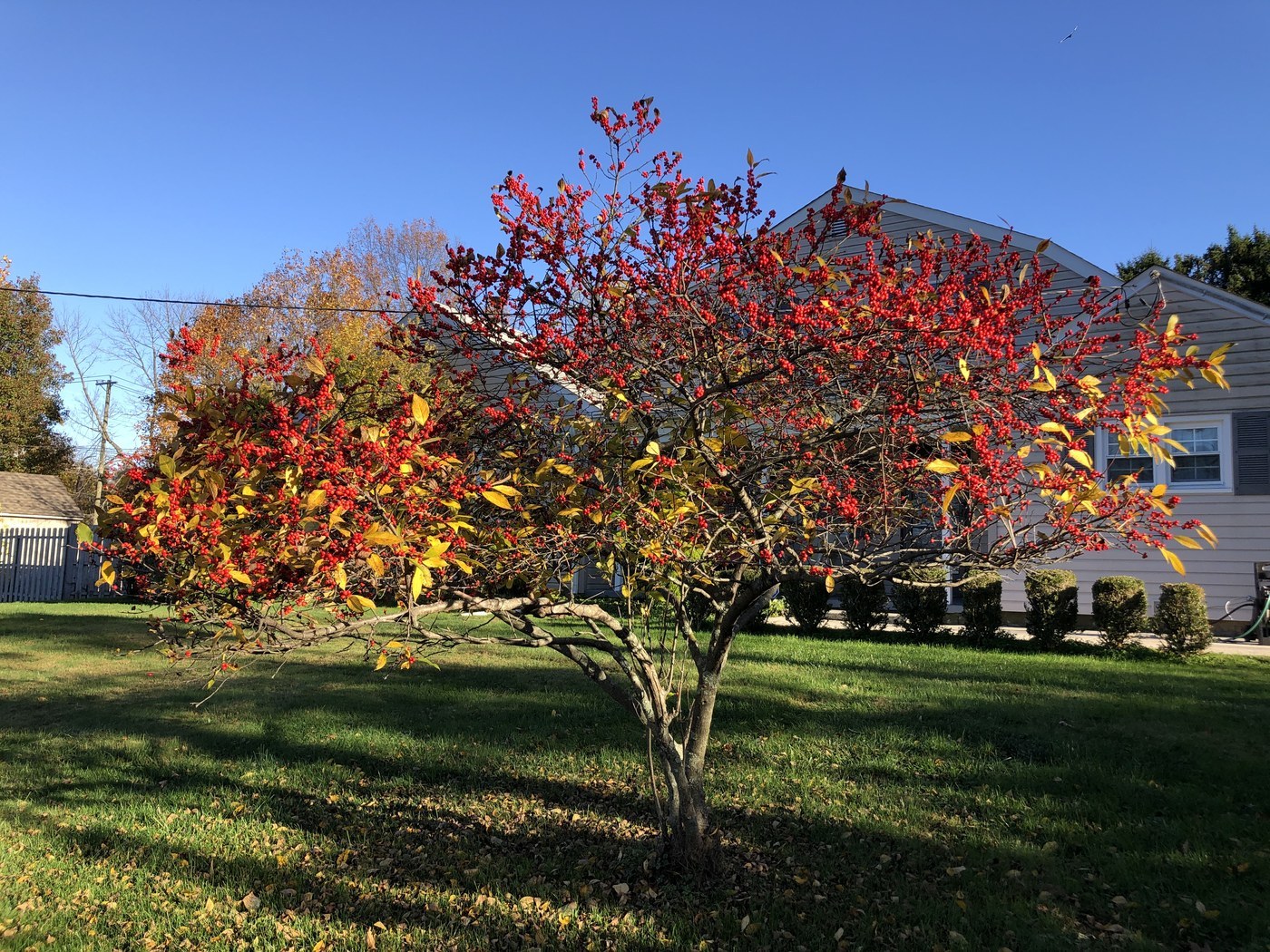
Most are grown for their abundant spring flower clusters, which range from flat lacecaps to rounded snowballs, followed by red, blue, or black berries that attract birds. Many add brilliant red-purple fall color.
Tough, adaptable, and largely pest-free, viburnums are workhorse shrubs for hedges, screens, and mixed borders.
How to identify it
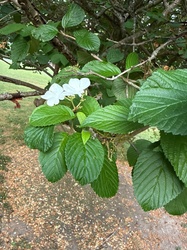
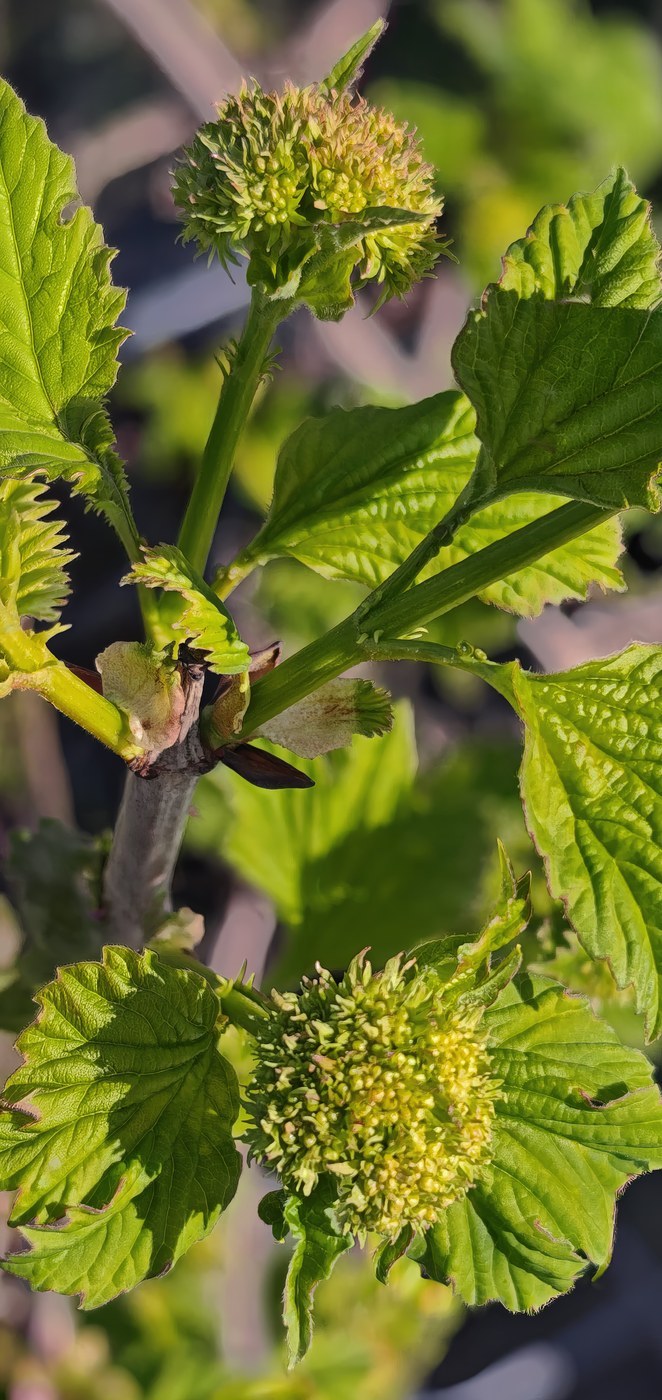
- Leaves: Opposite, often toothed or lobed (maple-like in V. opulus); some species evergreen, others coloring richly in fall
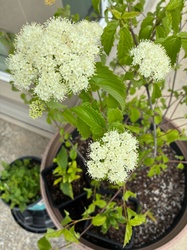
- Flowers: Clusters of small white to pink flowers in spring, either flat-topped, lacecap, or domed 'snowball' heads; some intensely fragrant
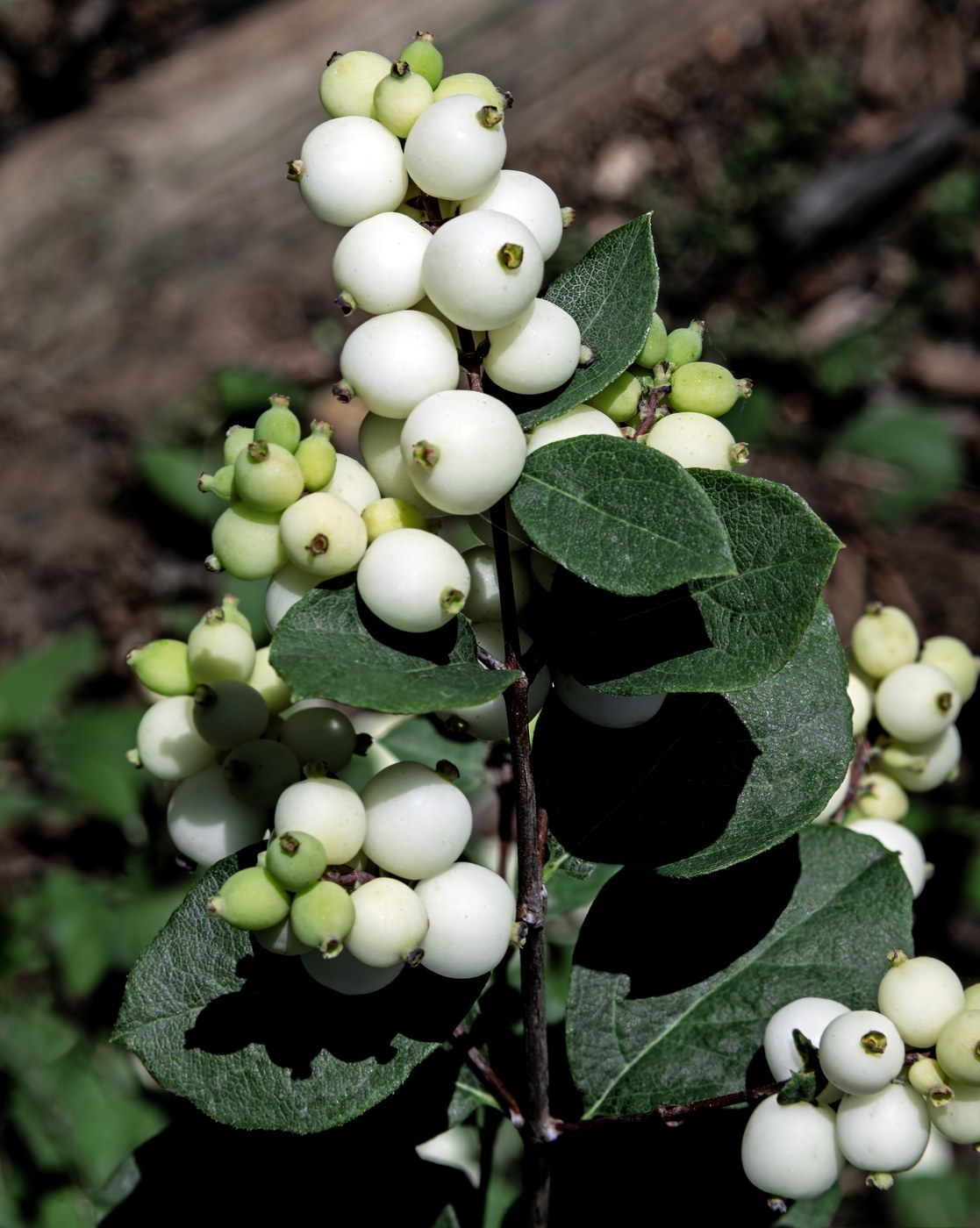
- Fruit: Drupes ripening red, blue, or black, often persisting into winter
- Habit: Rounded, multi-stemmed shrubs typically 3-12 ft, some reaching small-tree size
- Bark: Gray-brown, generally unremarkable
Care & growing
Light: Best flowering and fruit in full sun to light shade.
Water: Keep soil evenly moist, especially when establishing; most tolerate average garden moisture.
Soil: Adaptable, prefers slightly acidic, well-drained, fertile soil.
Temperature: Hardiness varies by species, broadly USDA zones 2-9.
Feeding: A spring application of balanced fertilizer or compost supports growth.
Pruning: Prune right after flowering, since most bloom on old wood. Thin and shape rather than shear.
Propagation: Softwood or semi-hardwood cuttings root readily; species can be grown from seed.
Pollination tip: Many fruiting viburnums need a second compatible cultivar nearby for good berry set.
Habitat & origin
Viburnums are native across the temperate Northern Hemisphere, with strong representation in North America, Europe, and Asia. They grow naturally in woodland edges, thickets, hedgerows, and along streams.
They are widely cultivated in gardens worldwide as specimen shrubs, informal hedges, screens, and wildlife plantings.
Frequently asked questions
Why doesn't my viburnum produce berries?
Many viburnums need a different but compatible cultivar of the same species nearby for cross-pollination. A lone plant, or pruning off the flower buds, will limit fruit.
When should I prune viburnum?
Prune immediately after flowering, because most species set next year's flower buds on the current season's wood.
Do viburnums grow in shade?
They tolerate part shade but flower and fruit best with at least a half day of sun.
What flower shapes do viburnums have?
They range from flat-topped lacecaps to fully rounded 'snowball' heads of small white to pink flowers, with some types intensely fragrant in spring.
Viburnum guides
In-depth guides for identifying, growing, and caring for Viburnum.
How to Care for Viburnum
Grow a lush, easy Viburnum opulus shrub with full sun to part shade, evenly moist soil, and light annual pruning for spring blooms.
Viburnum Identification Guide
How to identify viburnums by their opposite leaves, flat or domed white flower clusters, and colorful berry-like drupes.
Viburnum identified by the community
Real specimens identified with Plant Identifier.