Summersweet
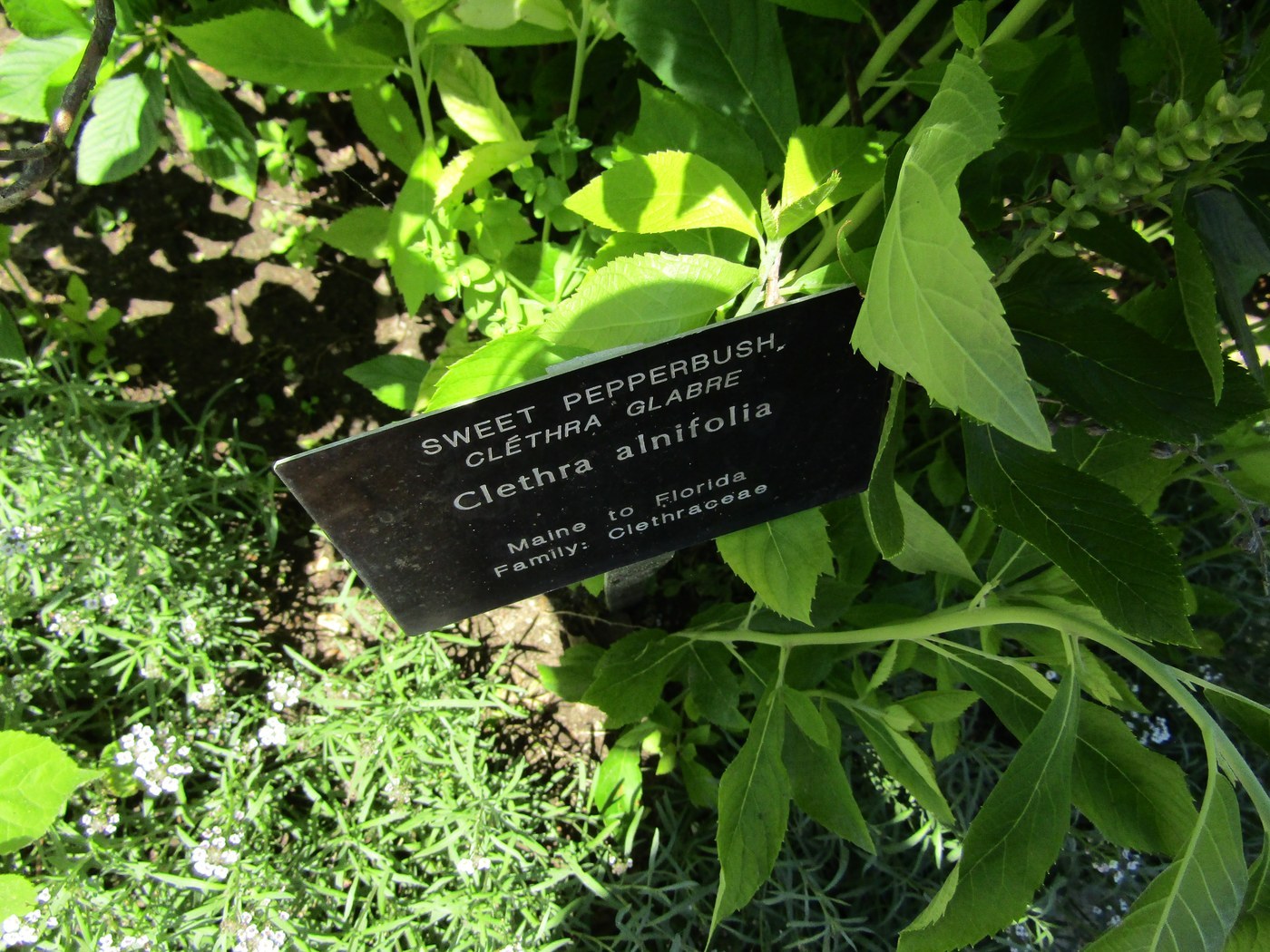
Clethra alnifolia
A late-summer-blooming deciduous shrub with upright spikes of intensely fragrant white or pink flowers that draw bees and butterflies. Native to eastern North America, it thrives in moist, shady spots.
- Light
- Part shade to full sun
- Water
- Medium to high; tolerates wet soil
- Difficulty
- Easy
Got a plant like this?
Identify any plant from a photo, free.
Overview
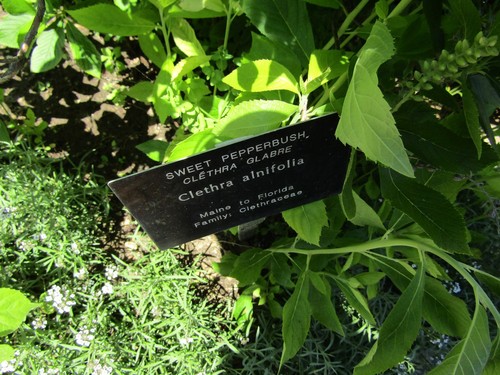
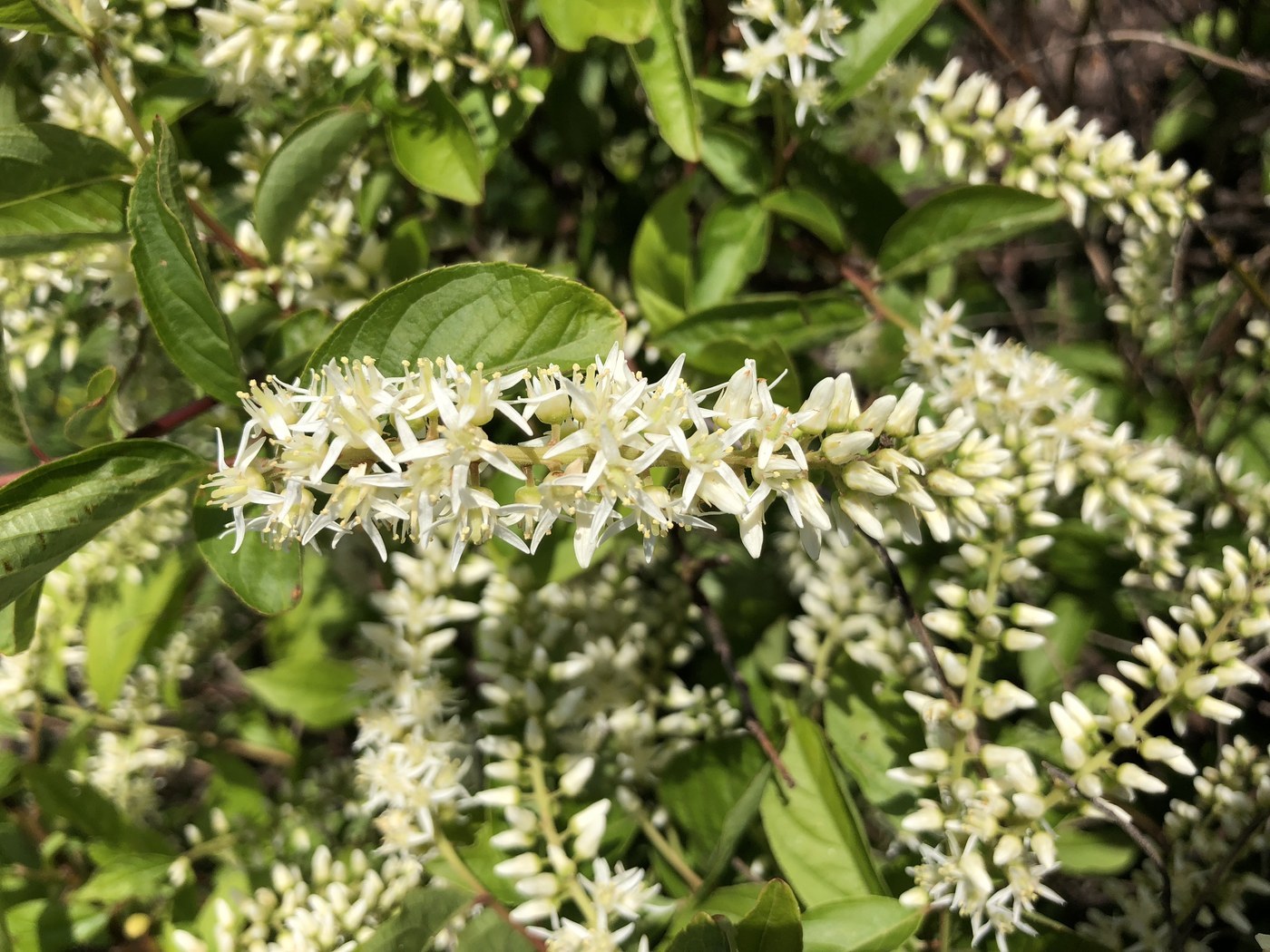
Summersweet is a deciduous shrub native to the eastern United States, prized for filling the late-summer gap when few shrubs bloom. In mid- to late summer it produces upright, bottlebrush-like spikes of small white or pink flowers with a powerful, spicy-sweet fragrance.
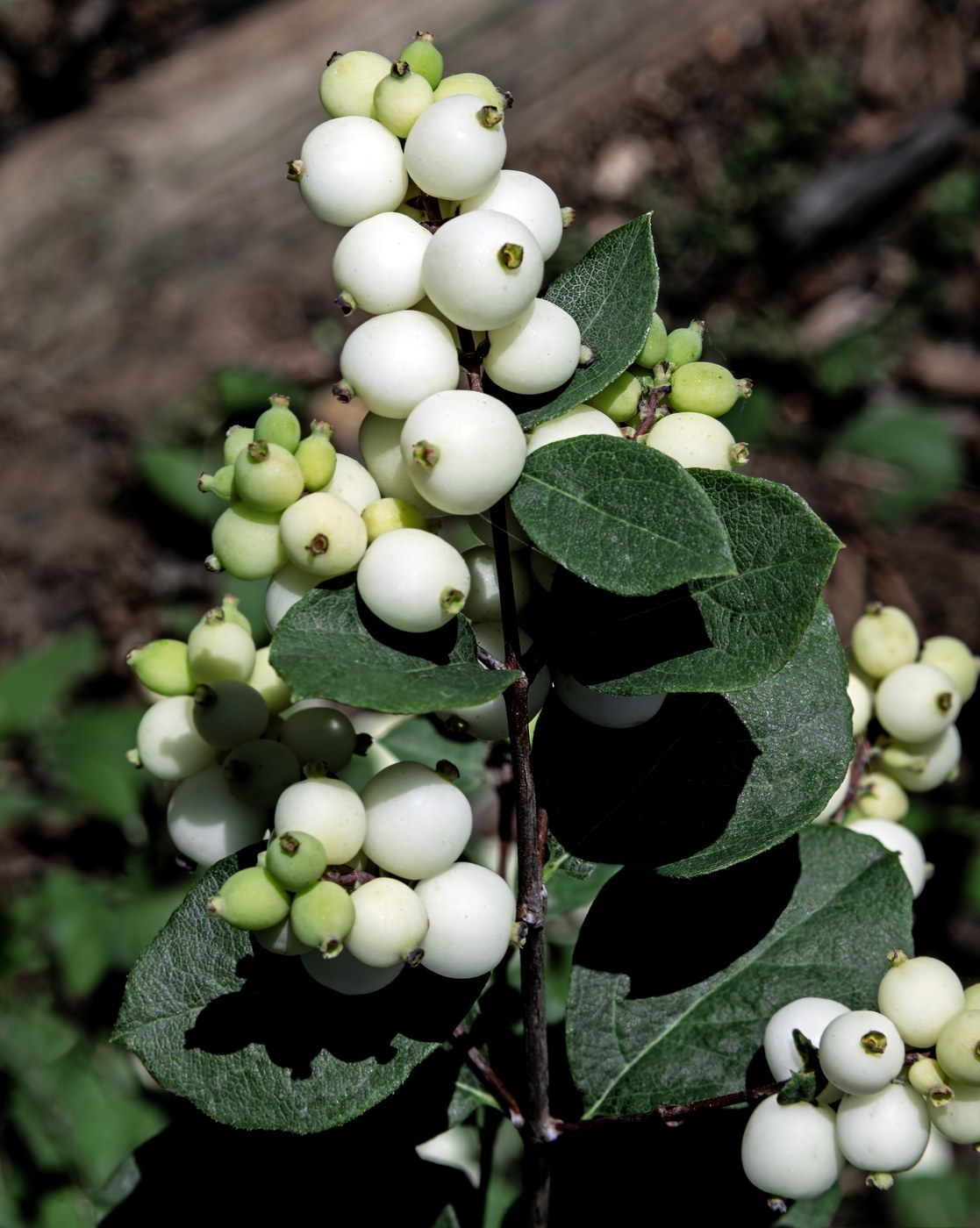
The flowers are magnets for bees, butterflies, and other pollinators, and the seed capsules that follow look like peppercorns, giving the alternate name sweet pepperbush. Foliage turns clear yellow in fall.
Shade-tolerant and happy in wet soil, summersweet is an outstanding native shrub for moist, partly shaded, and seaside gardens where many shrubs struggle.
How to identify it
- Flowers: Erect, cylindrical spikes (racemes) 2-6 in long packed with small, fragrant white or pink flowers in mid- to late summer
- Leaves: Alternate, oval, toothed, glossy dark green, turning yellow to golden in fall
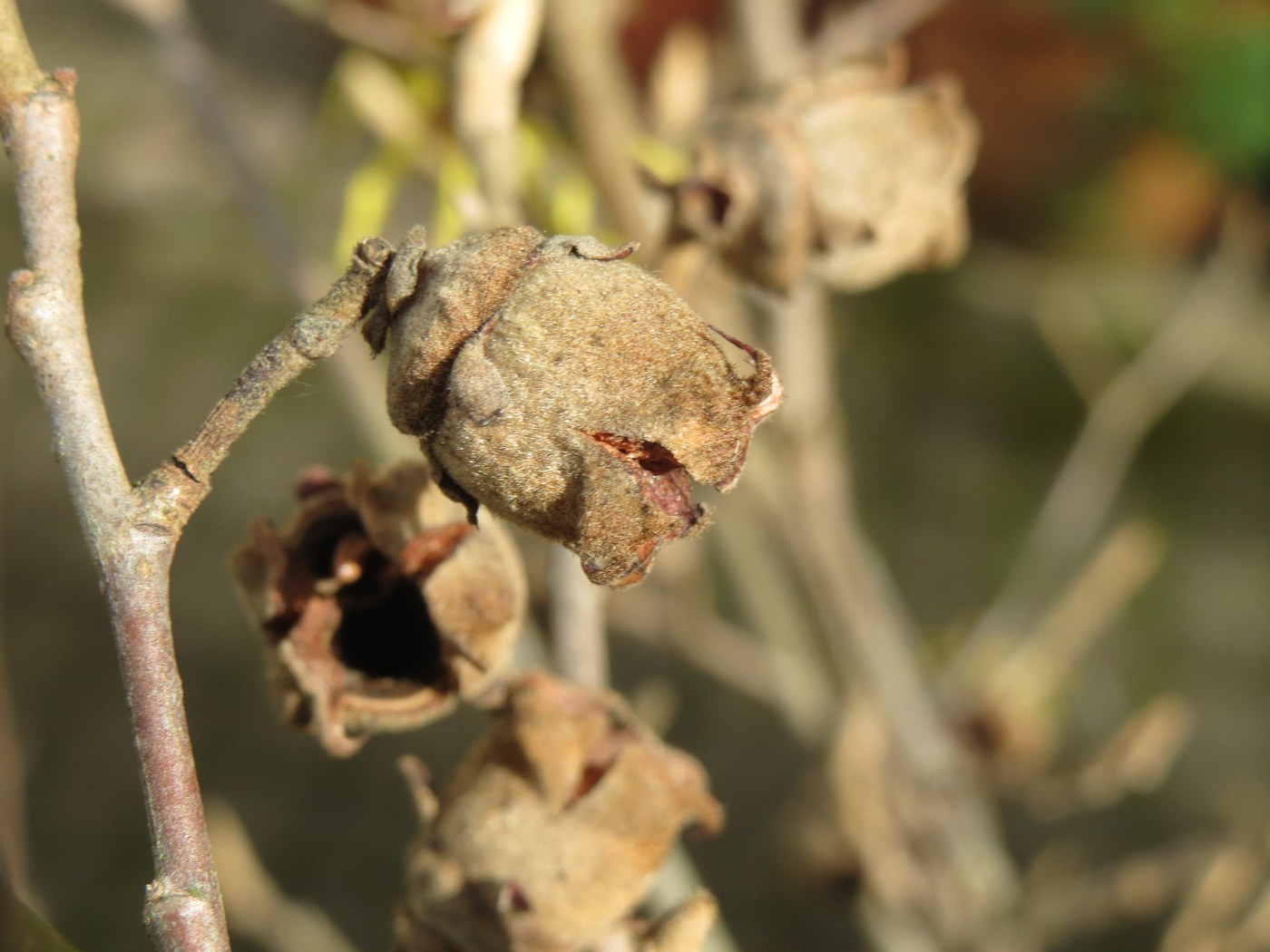
- Fruit: Spikes of small, dark, peppercorn-like seed capsules that persist into winter
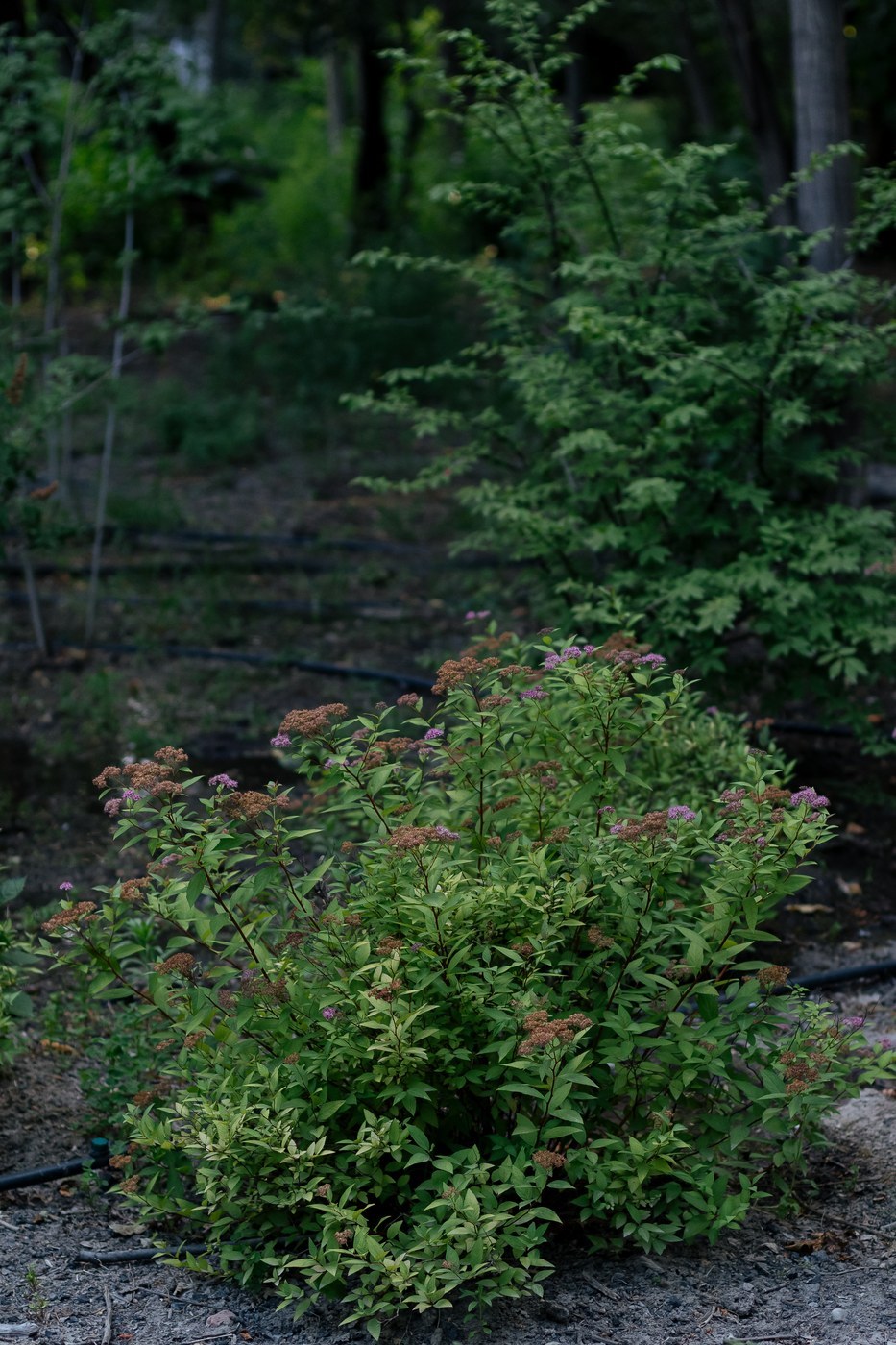
- Habit: Upright, rounded, suckering shrub typically 3-8 ft tall, forming colonies over time
- Scent: Strong, spicy-sweet fragrance is a key identifier
Care & growing
Light: Part shade is ideal; tolerates full sun with enough moisture and full shade with fewer flowers.
Water: Prefers consistently moist soil and tolerates wet ground; water during dry spells.
Soil: Likes rich, moist, acidic soils high in organic matter; tolerates clay.
Temperature: Hardy roughly USDA zones 3-9.
Feeding: Light; mulch with compost to retain moisture and feed.
Pruning: Blooms on new wood, so prune in late winter or early spring; remove suckers to control spread.
Propagation: From suckers, division, or softwood cuttings.
Habitat & origin
Native to the eastern United States, from Maine south to Florida and west along the coastal plain, where it grows in wet woodlands, swamps, pond margins, and moist coastal thickets, tolerating salt spray.
It is widely planted in temperate gardens for moist, shady borders, rain gardens, woodland edges, and seaside plantings, and is valued as a fragrant, pollinator-friendly native shrub.
Frequently asked questions
When does summersweet bloom?
It flowers in mid- to late summer, filling a season when few other shrubs bloom, which makes it especially valuable for pollinators.
Will summersweet grow in shade?
Yes. It tolerates full shade, though it flowers most in part shade. It is one of the better flowering shrubs for shady, moist spots.
Does summersweet tolerate wet soil?
Yes. It naturally grows in swamps and wet woodlands, so it handles moist and periodically wet soils well and suits rain gardens.
When should I prune summersweet?
Prune in late winter or early spring because it blooms on new growth. You can also remove root suckers then to limit its spread.
Summersweet guides
In-depth guides for identifying, growing, and caring for Summersweet.